


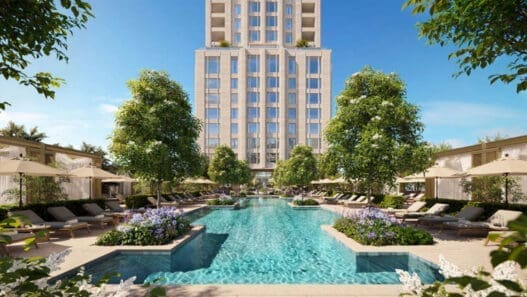


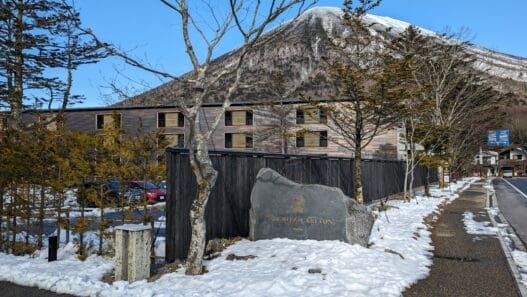
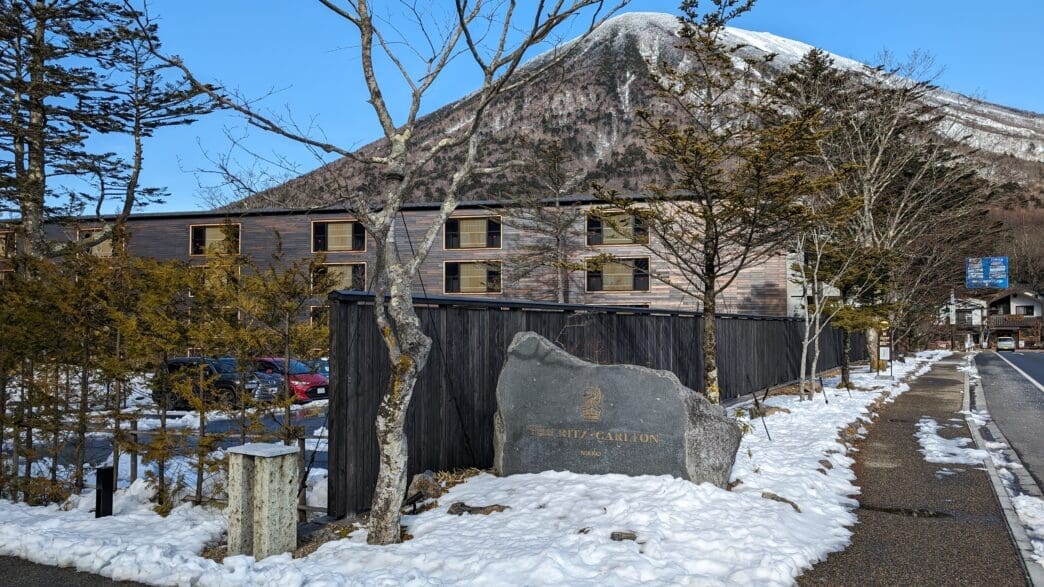
tl;dr – The Ritz-Carlton Nikko is the best Ritz-Carlton property I’ve stayed at. I’m not sure what Marriott’s internal criteria for the ‘Reserve’ designation is, but this property sure feels like it could be a ‘Reserve’ property to me.
Good morning, good afternoon, good evening, friends, wherever you might be, new and old. If you read one review today, make it this one. And if you’re here as part of YATFEST, thank you.
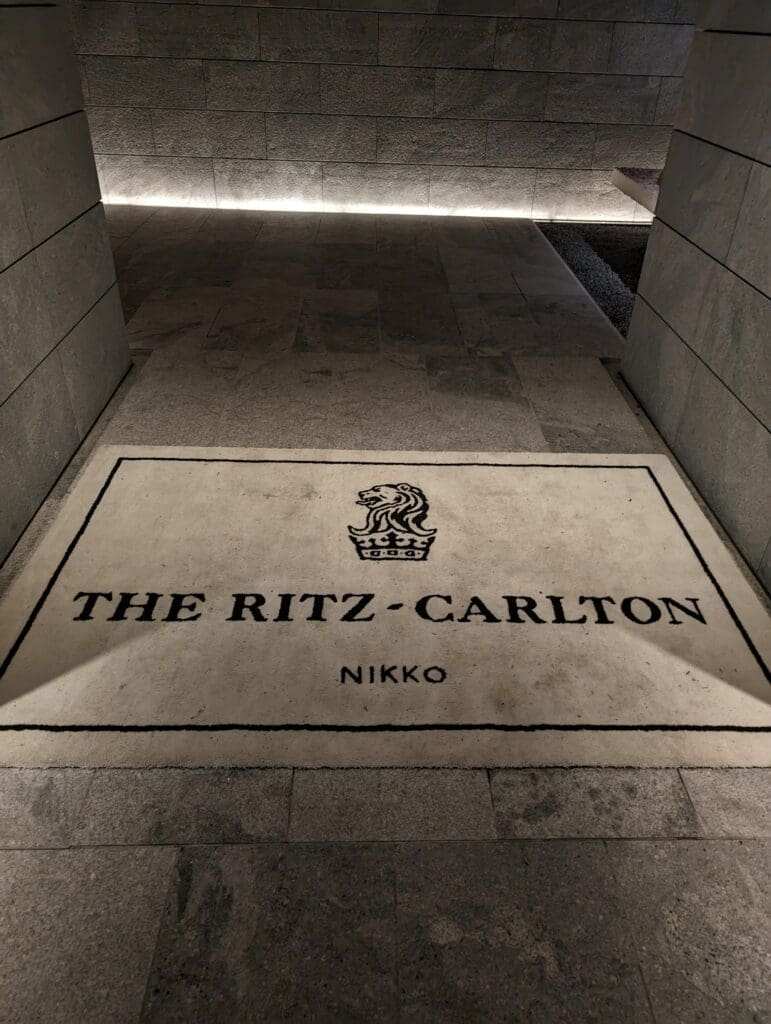
In January 2024, I stayed at the Ritz-Carlton Nikko, and I think it’s the best Ritz-Carlton in the world. My experience was that enjoyable. I know that’s a bit of a bold statement. In the points and miles circles, it’s become rather fashionable to rag on Marriott and the Ritz-Carlton brand in particular. Whether it’s warranted is besides the point – the Ritz-Carlton Nikko is a gem in the portfolio.
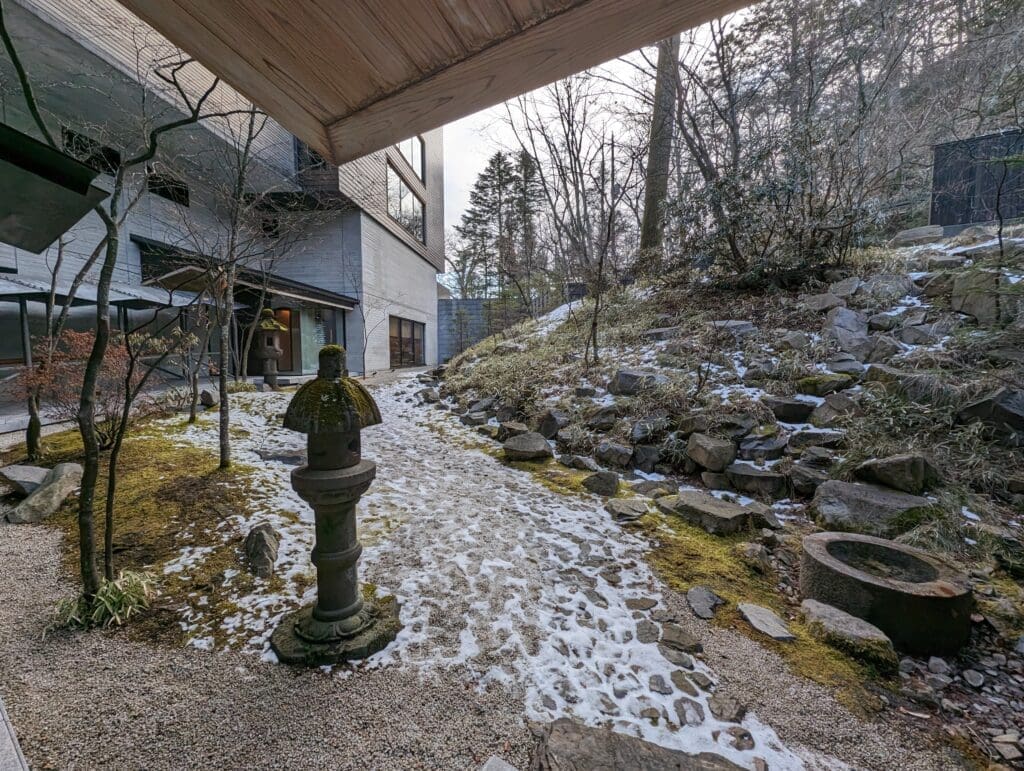
Perhaps it was my Titanium Elite status. Maybe it was because I visited during the ‘low season’ – I recently had a similar top-notch experience visiting the Park Hyatt Niseko this summer where it felt like I was walking around my own personal palace. The Ritz-Carlton Nikko only has 94 rooms, so maybe the small footprint was in my favor. Either way, this was a really pleasant stay. I was sad to leave. And to be honest, I shouldn’t have been surprised. Prior to visiting, I hadn’t come across too many blogger reviews of the property, but the Ritz-Carlton Nikko is a regular fixture on ‘best luxury hotels of Japan’ lists. With that said, it still seems to fly under the radar.
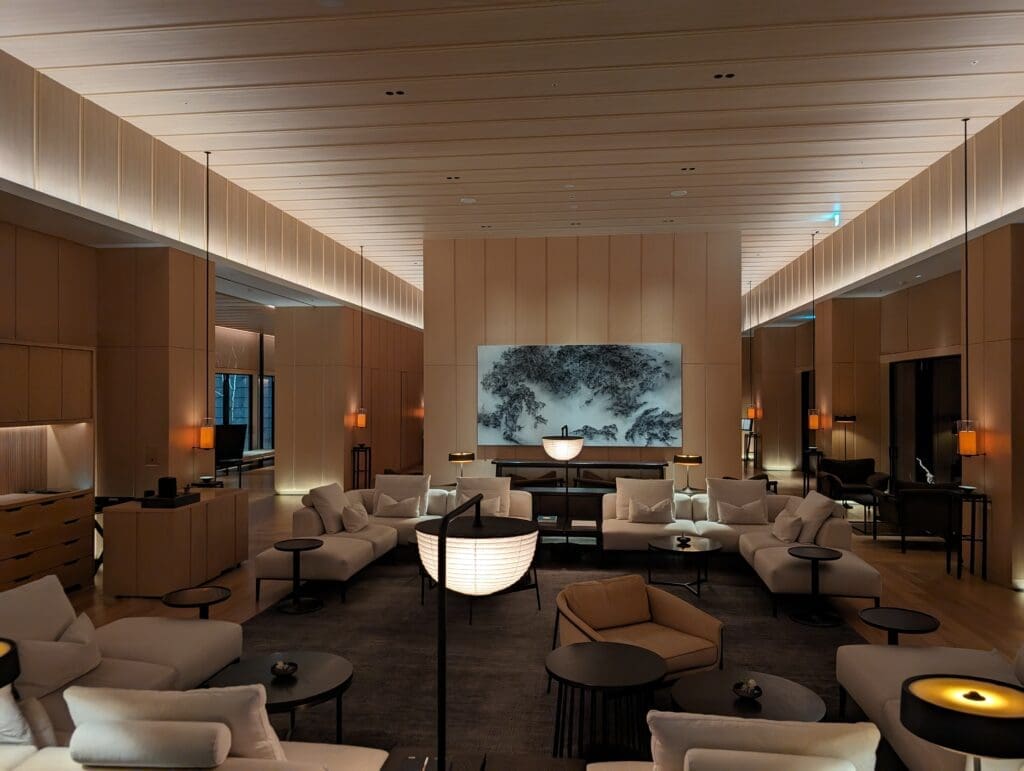
The best way I can say it is as follows: The Ritz-Carlton Nikko is “The Holdovers” of hotels. The ‘Barbie’ and ‘Oppenheimer’ hotels of Japan’s buzzier cities – Tokyo, Kyoto, Osaka – get all the shine, but the Ritz-Carlton Nikko treads along like an understated masterpiece, just waiting for travelers to figure it out.

Let’s dive in.
Booking The Ritz-Carlton Nikko
I booked three nights at the Ritz-Carlton Nikko in a lakeview king room on a cash rate, through the Marriott Stars program. As part of this rate, I received breakfast daily, a space-contingent upgrade, and a total of $400 in hotel credit for the stay.
Rates hover around $1000 per night during the regular season, and so with my off-season rates significantly lower than this figure, plus the combined hotel credits and complimentary breakfast, I felt I was getting a pretty solid deal.
Getting In
I’d imagine most foreigners visiting the Ritz-Carlton Nikko will be coming in from Tokyo. If you’re coming directly from either Narita or Haneda airports by car, it’ll be anywhere from a 2.75 – 4-hour drive.
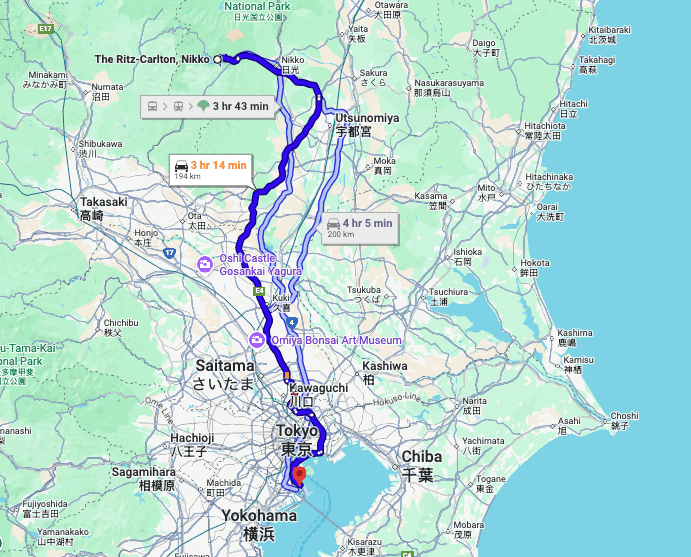
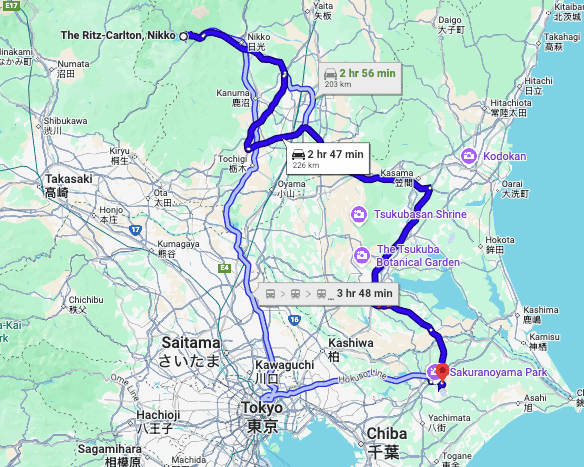
In our case, we had just finished a few nights at the Andaz Tokyo and the Prince Gallery Tokyo Kioicho, a Luxury Collection Hotel (reviews forthcoming), so we would be arriving in Nikko by train. We rode the Shinkansen to Utsunomiya station and then transferred to a local service to arrive at Nikko station.
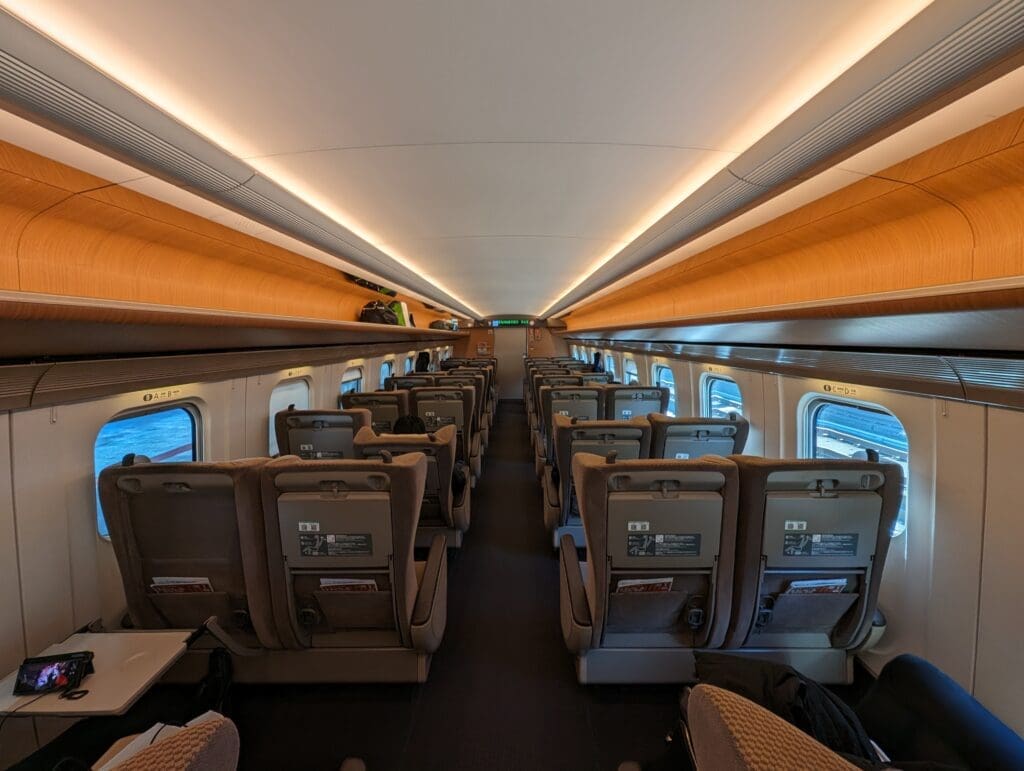
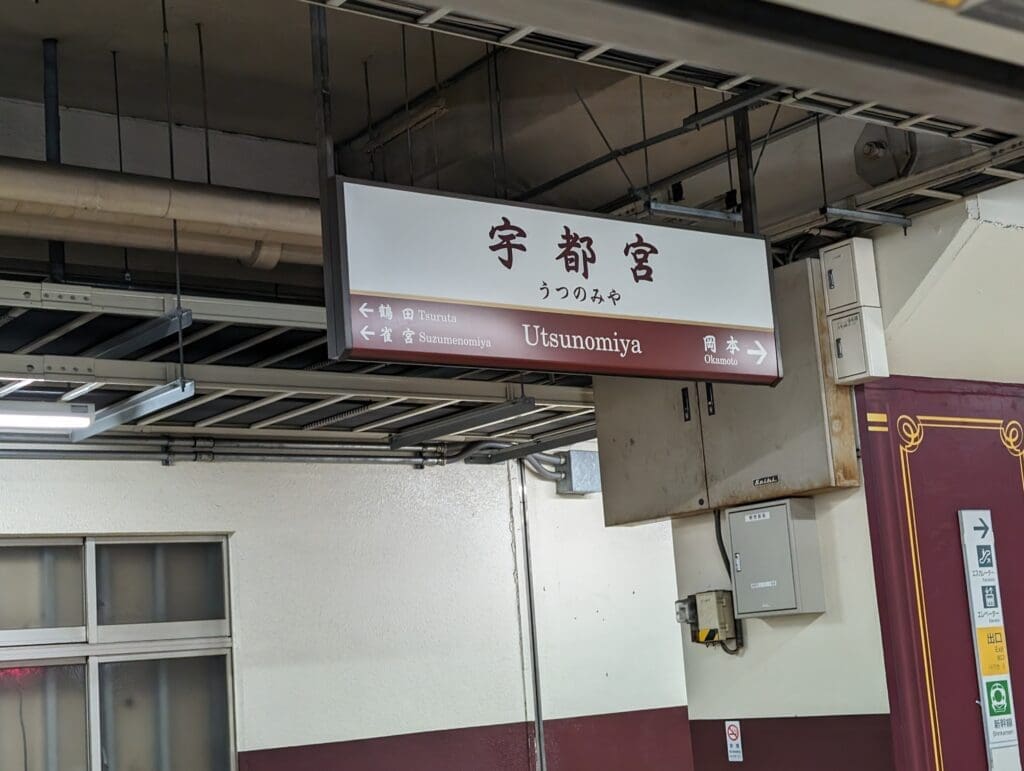
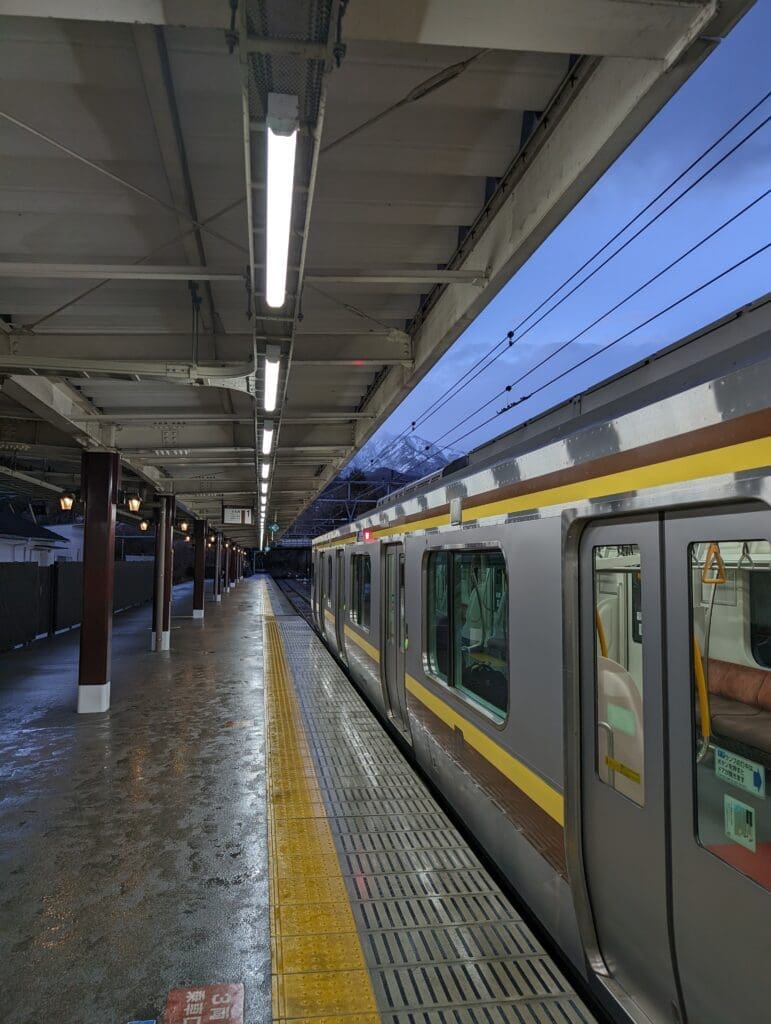
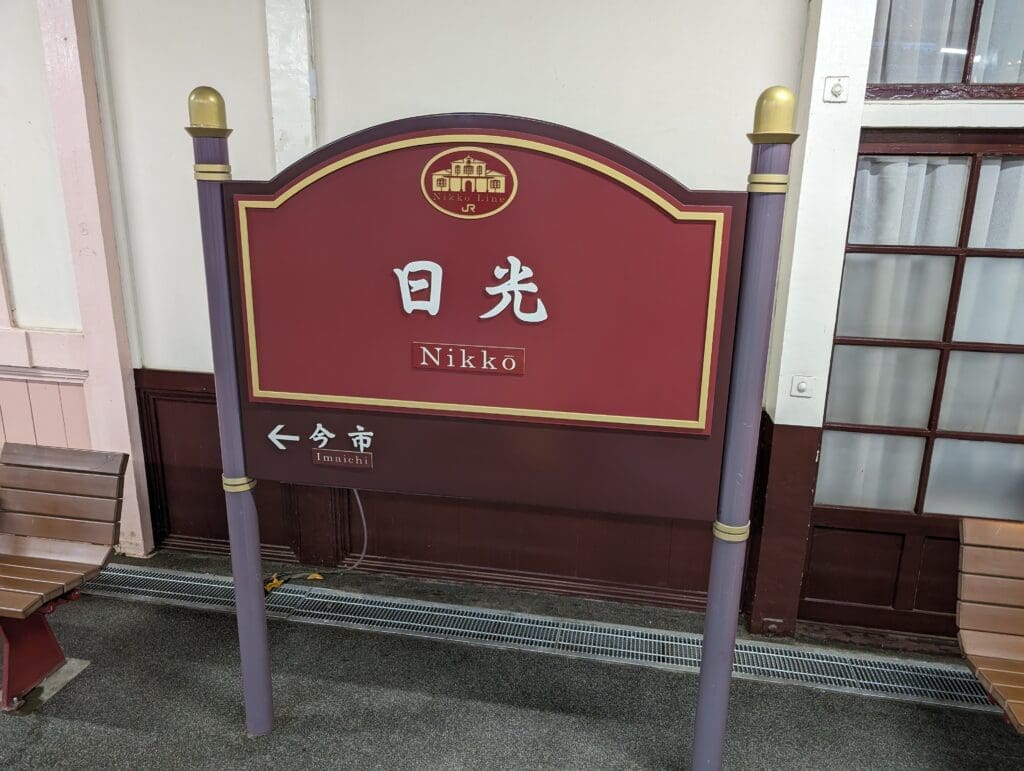
Though it may not be as popular with tourists, Nikko is a culturally significant city in Japan. There’s a placard just outside the station informing you that Nikko is a UNESCO World Heritage site.
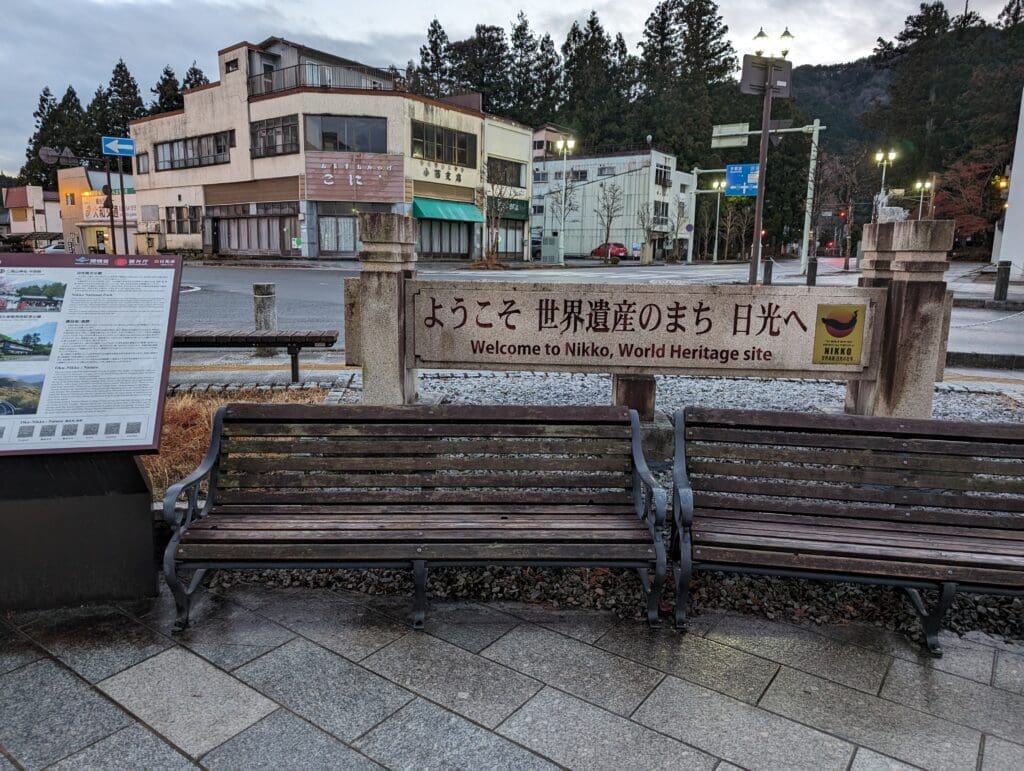
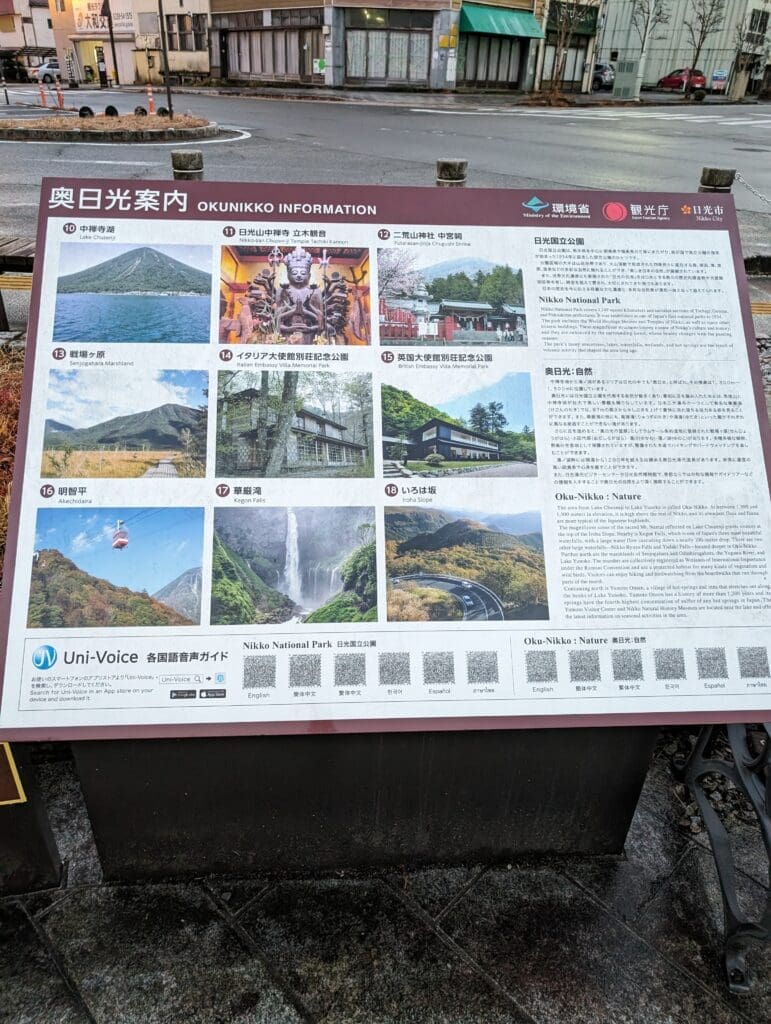
The history of Nikko dates back over 1200 years, and the city is home to many important temples and shrines (more on that later). And of course, there are the lakes, mountains, and waterfalls.
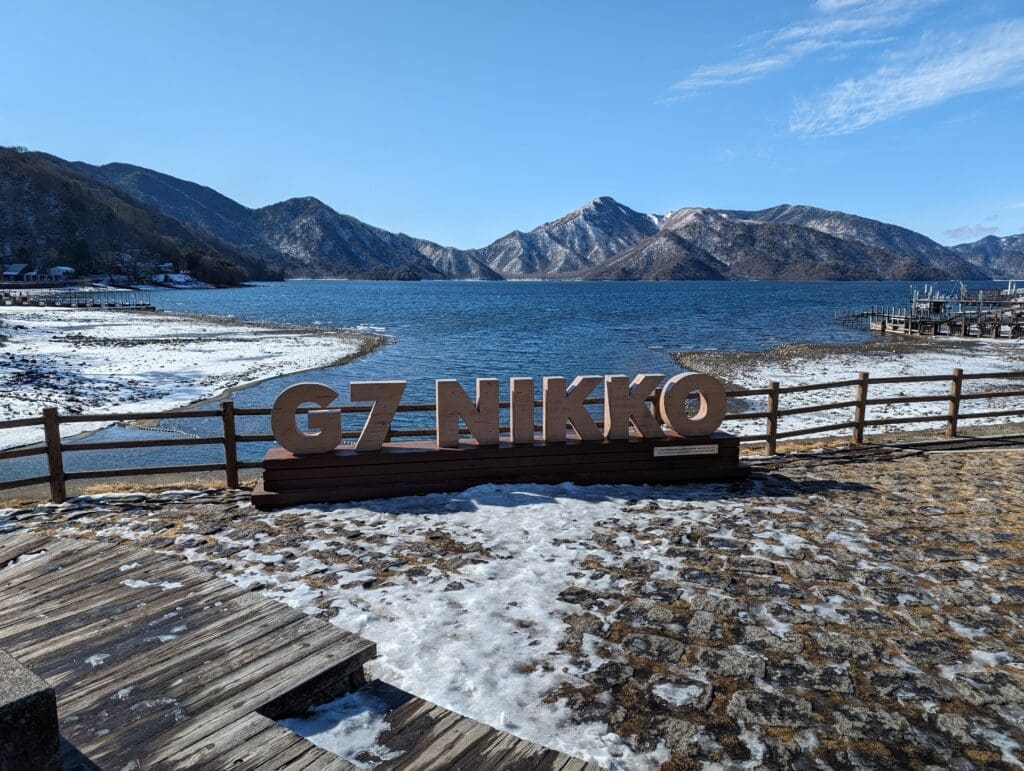
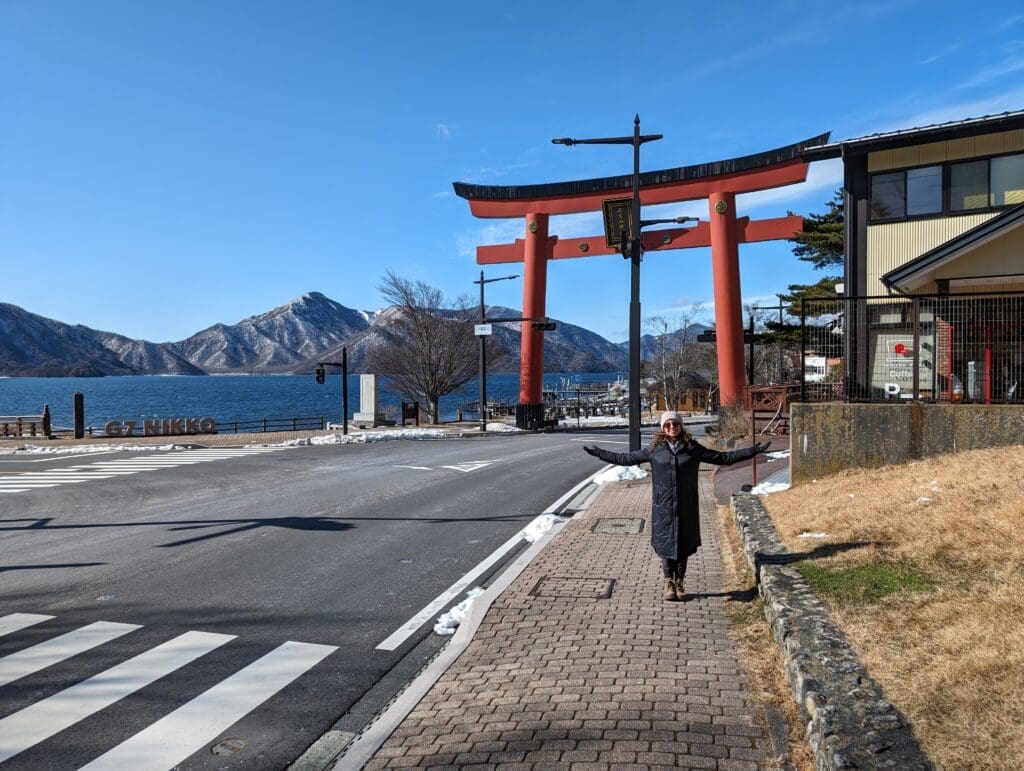
Nikko also recently hosted the G7 meeting 2023, and the monument is visible just across the street from the hotel, beside Lake Chūzenji, Japan’s highest natural lake.
Once you’ve arrived at Nikko station, you can take a taxi, rideshare, or even arrange pickup from the Ritz to take you the rest of the way.
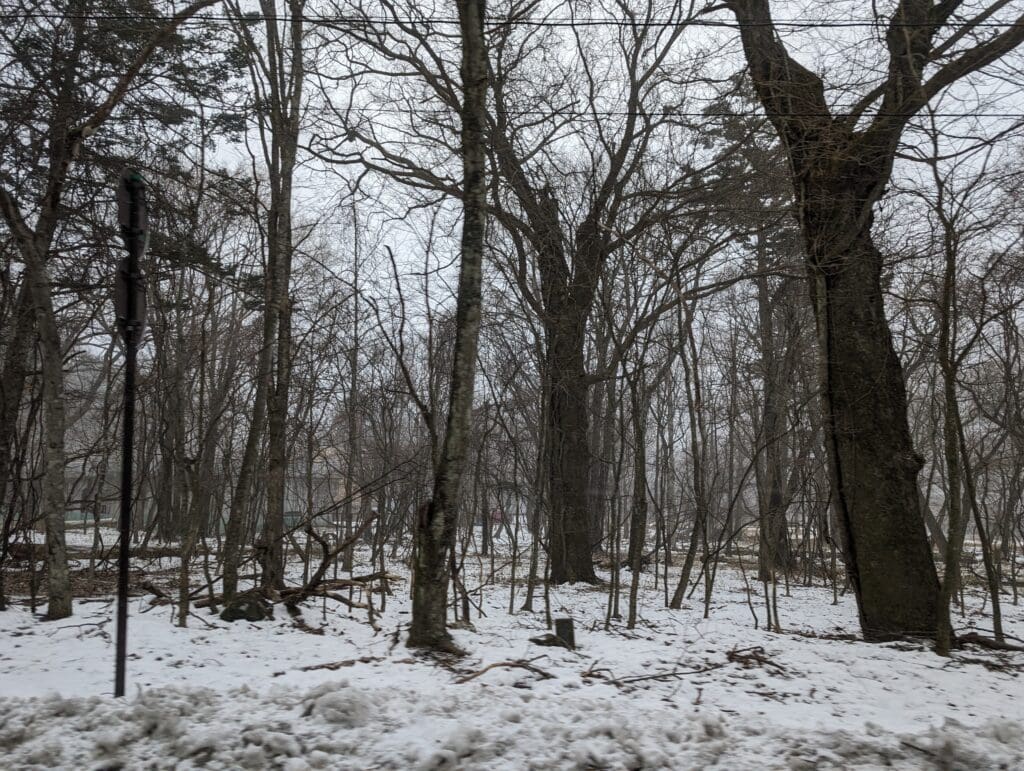
You’ll drive through the windy roads, with the (possibly snowy) forest on both sides.
Check In
Upon arrival, we received a warm welcome from the doorman.
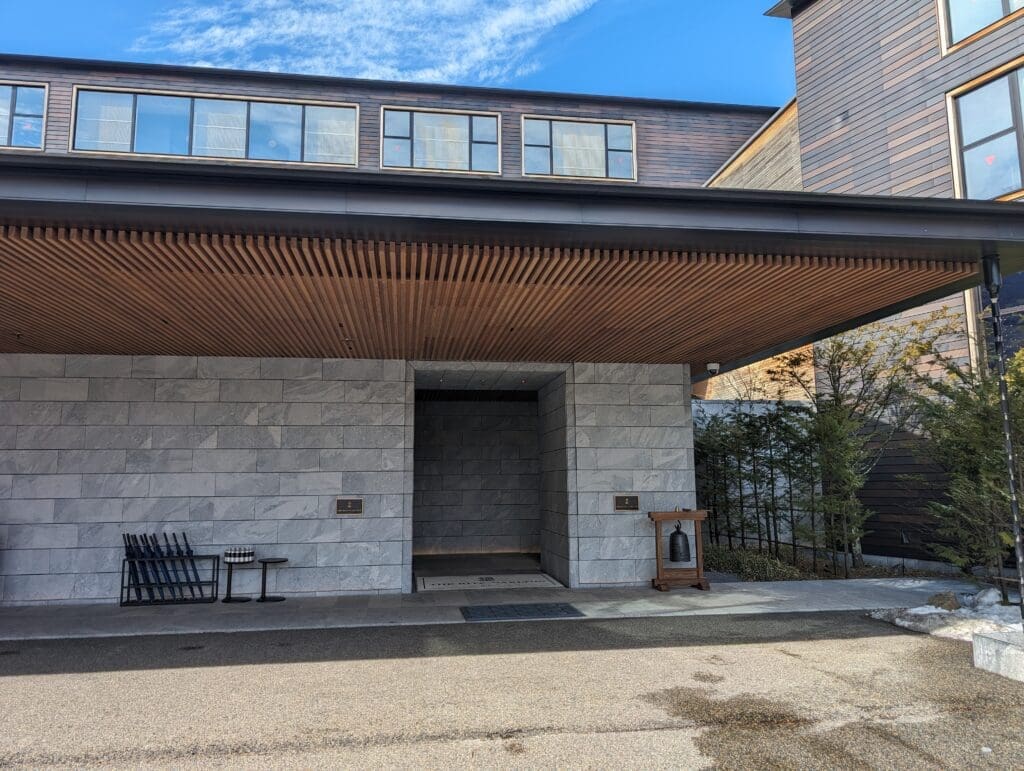
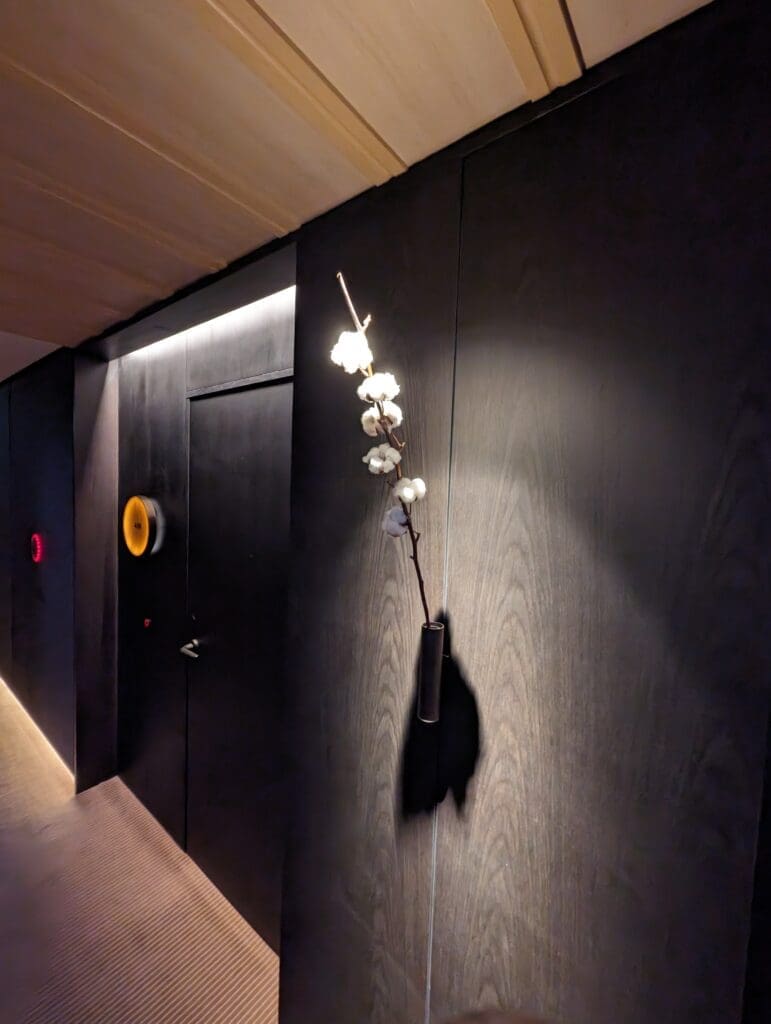
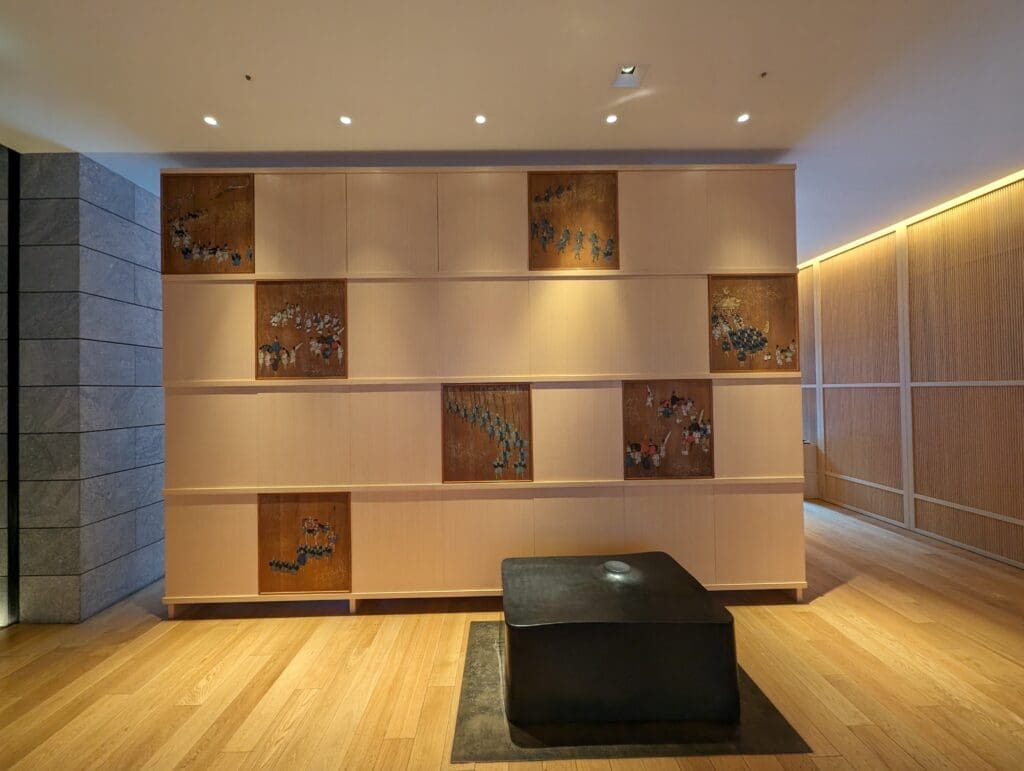
The hotel has a traditional Japanese design, sleek, somewhat modern, with concerted efforts to do less-is-more. The lights really set the scene. As there has been some snow recently,
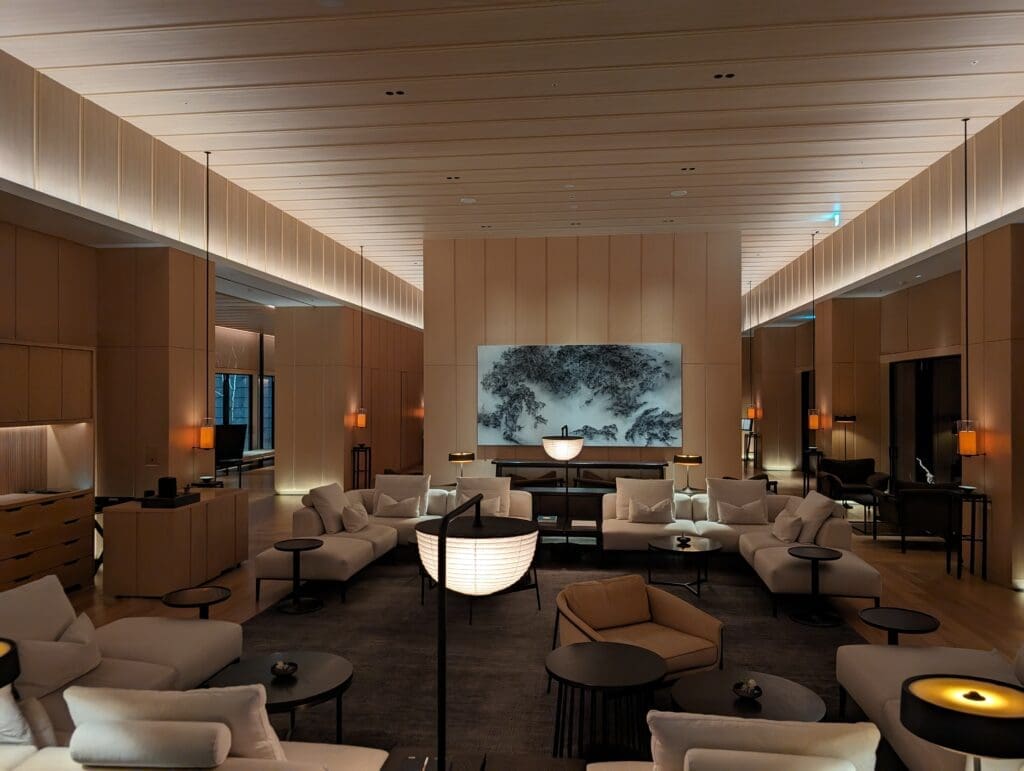
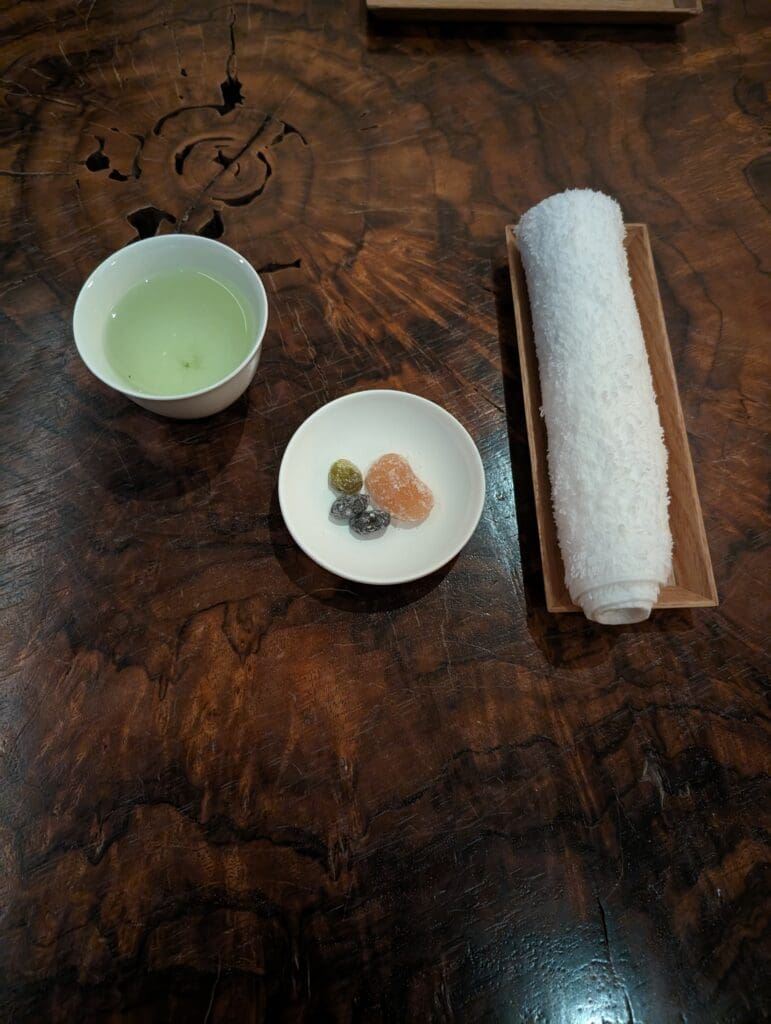
Check-in occurs in the library, which has a lovely fireplace. We were greeted by the general manager, welcomed with some tea, small candies, and refreshing towels.
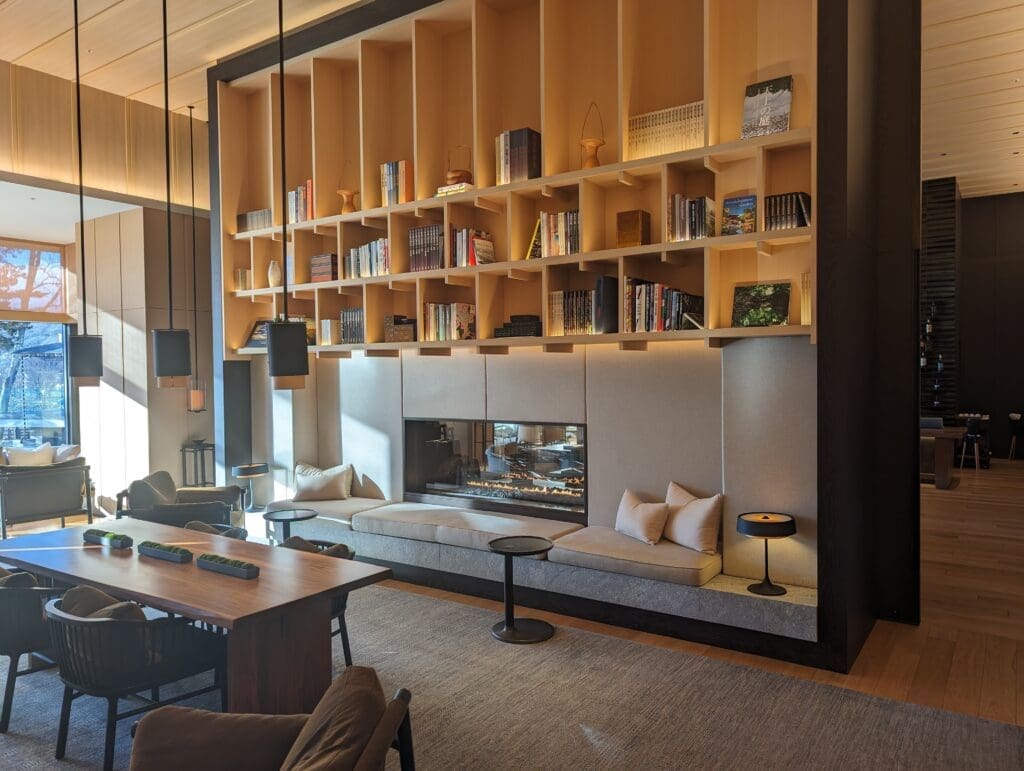
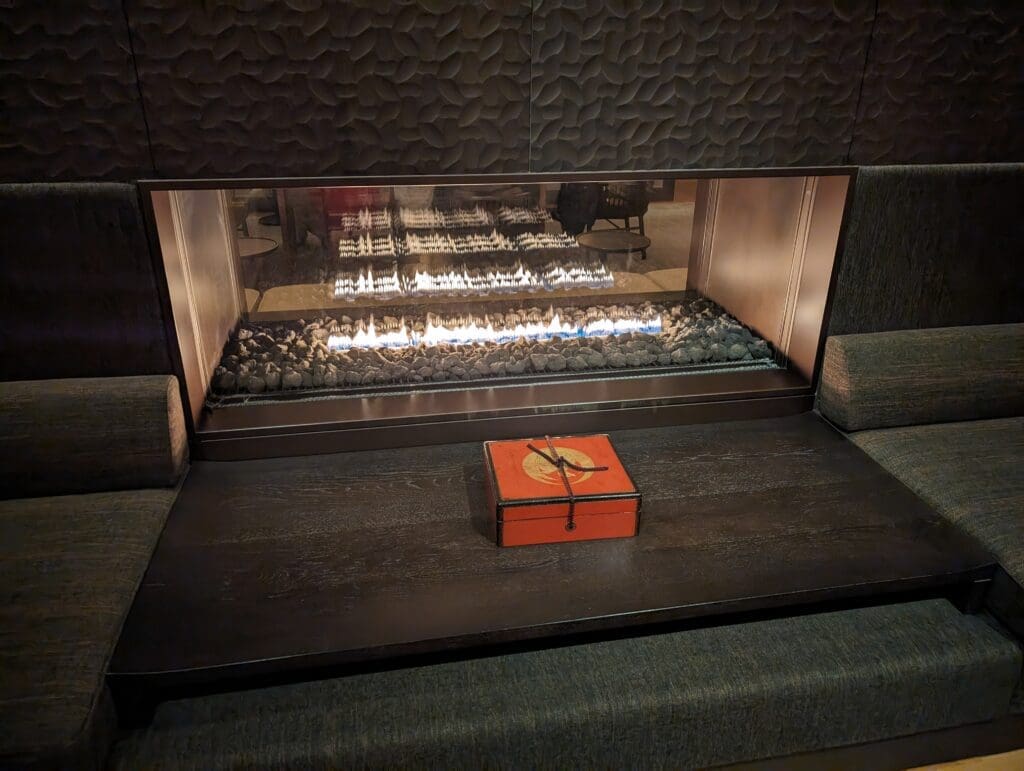
As a Titanium Elite, we were informed of the property’s amenities, including the onsen and spa, as well as several activities available to guests. There’s a QR code you can scan to pull up reservation slots from the hotel’s onsen. We were also informed that you are free to wear the spa robes throughout the hotel, anywhere except in the restaurants. Fair enough.
And just before heading to our room, that was when we met her. Abigail. Abigail is a docent. Collectively, she and her fellow docent colleagues were in charge of the aforementioned activities available to guests. As luck would have it, few (none?) of the other guests would end up participating in any of the activities during our stay, so in many ways, Abigail would end up being our private tour guide. Originally from the Philippines, we would learn that Abigail speaks five (FIVE!) languages fluently, none of which are easy to learn – Japanese, Arabic, Mandarin, Filipino (Tagalog), and English.
The Room
I was super impressed with the room. I mean, listen to the mood music. Here’s a walkthrough:
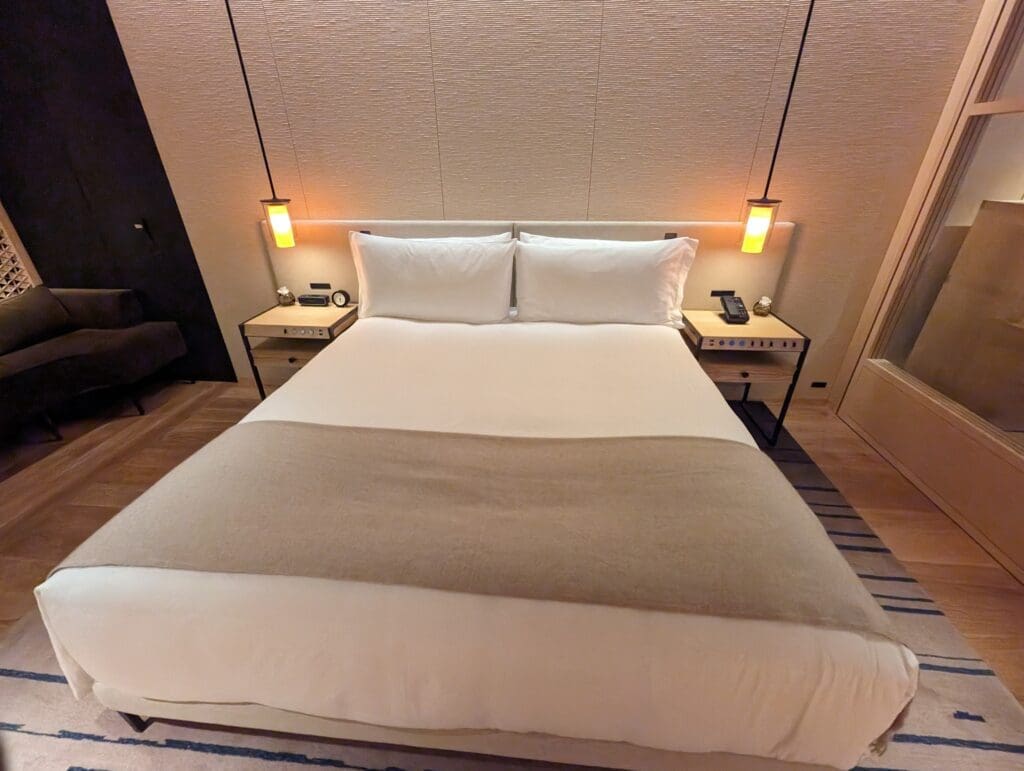
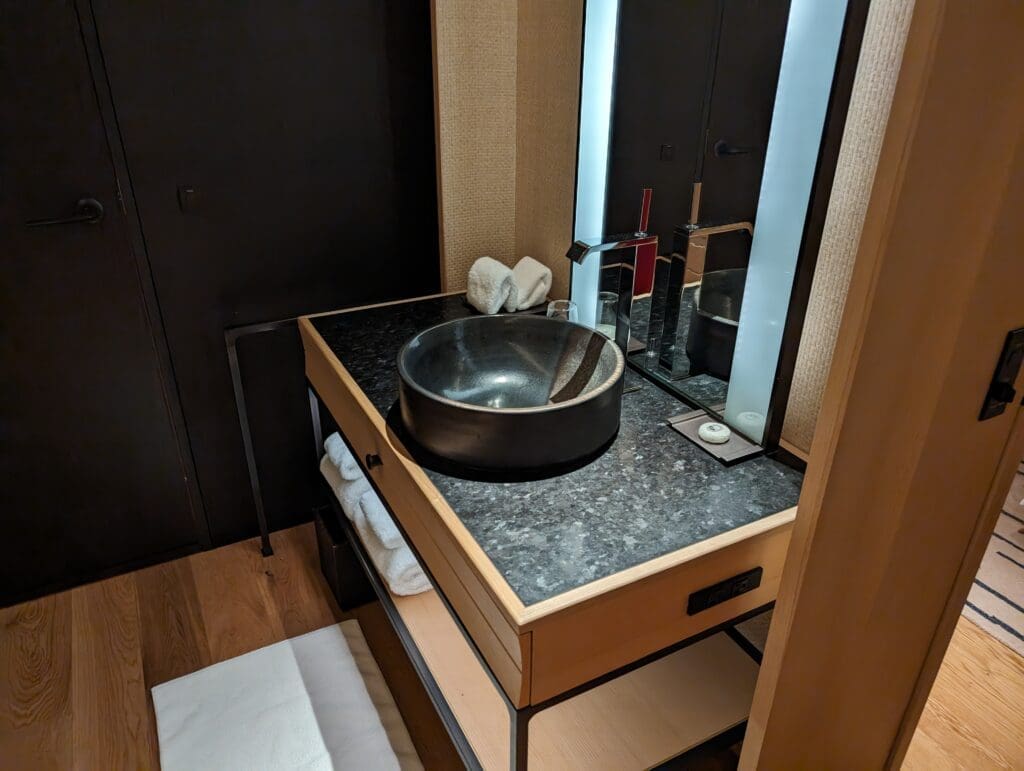
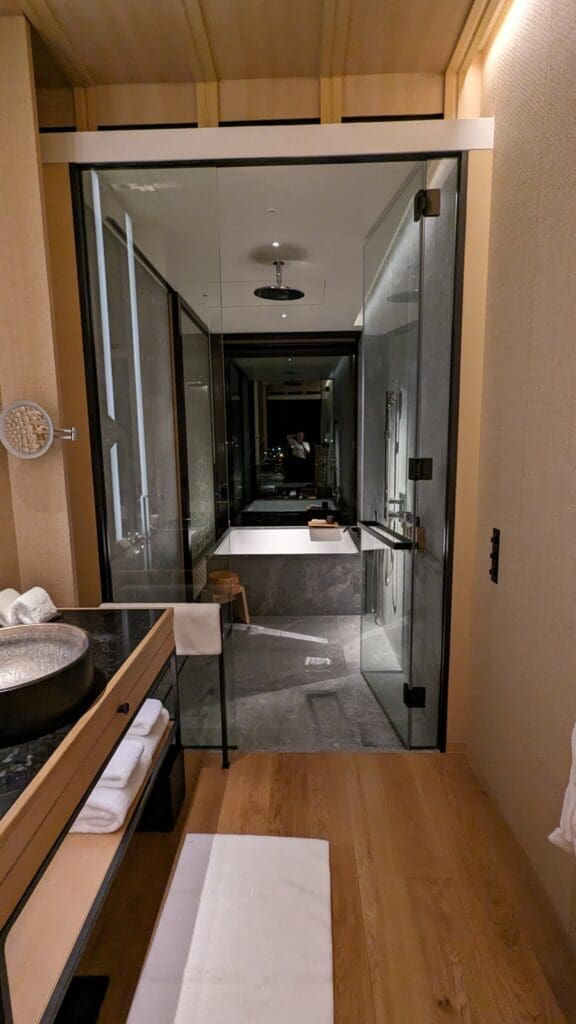
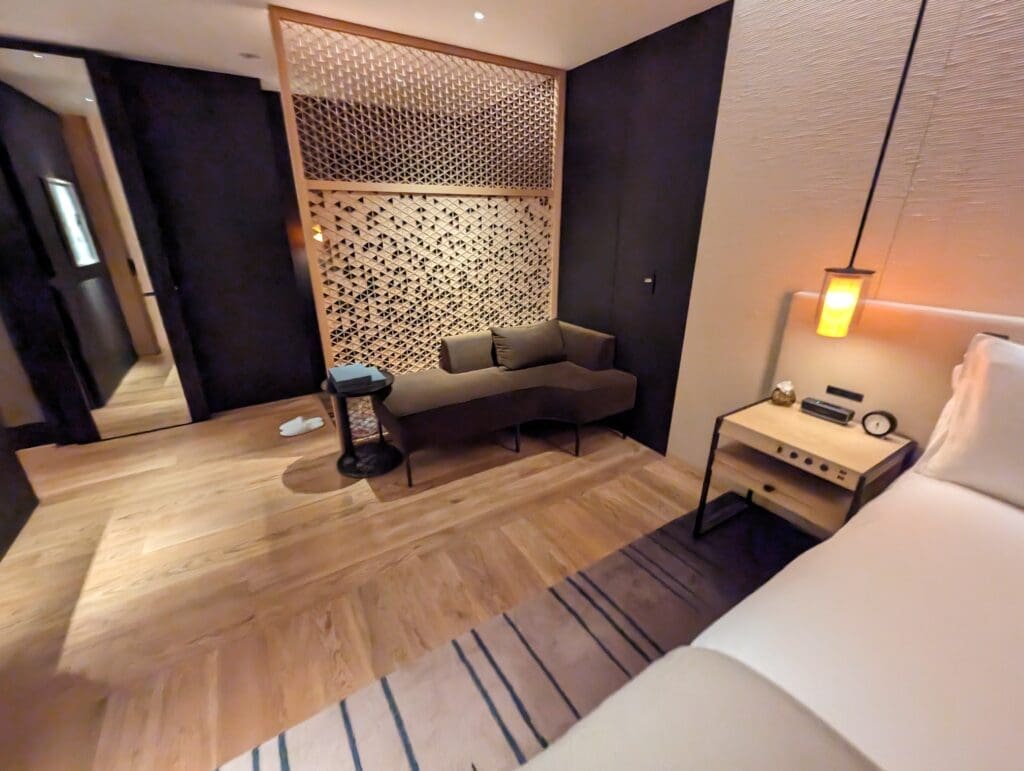
Though I had hopes of getting upgraded to a suite (there simply aren’t that many in the 94-room property), the lakeview deluxe king room was very spacious, had a large split-dual-vanity bathroom, and a balcony, and I loved it. The shoji sliding doors made it so we could section off the dining area from the bedroom to create essentially two smaller rooms.
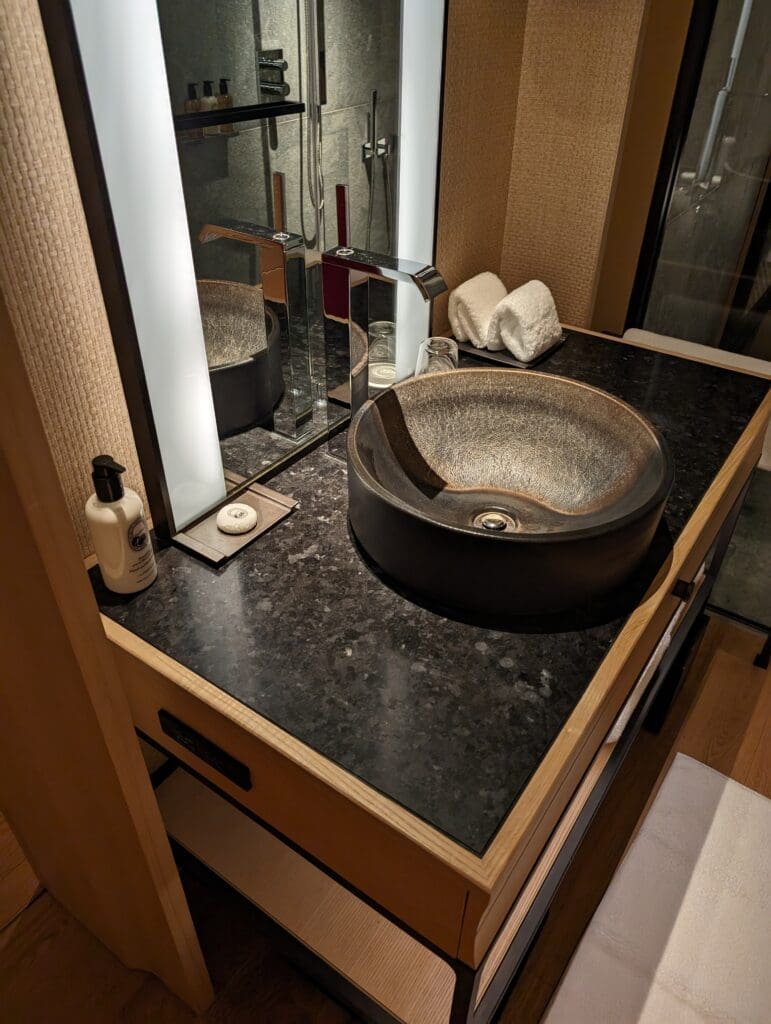
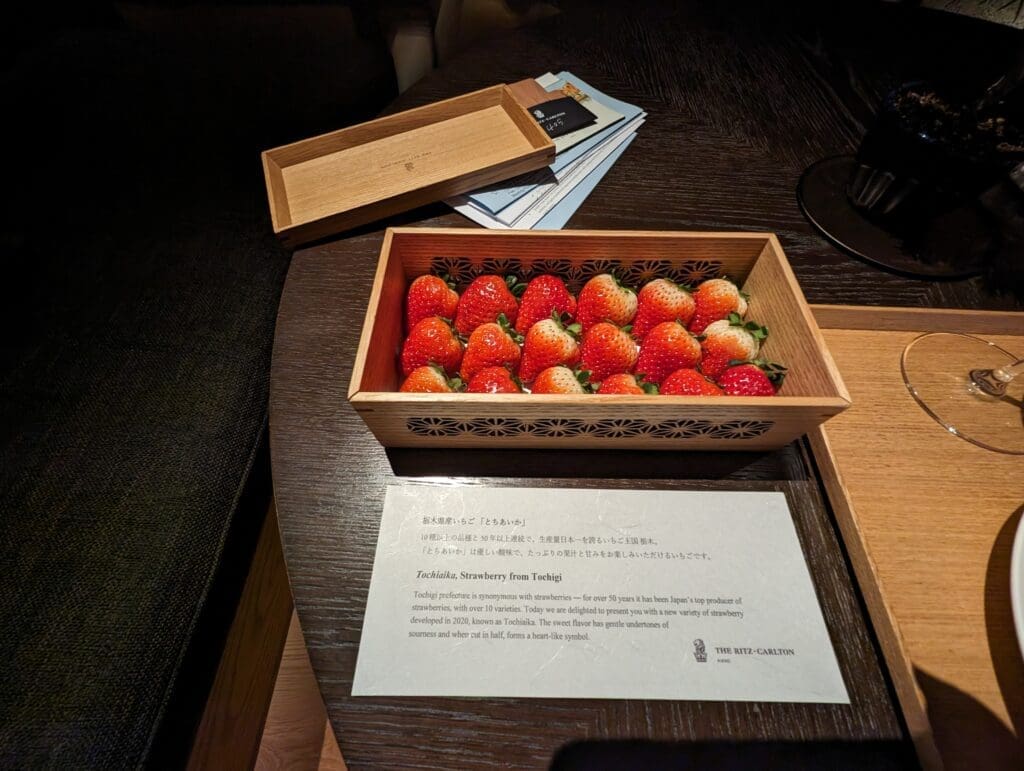
Awaiting us in the room was a fantastic welcome amenity. A bottle of the Ritz-Carlton’s signature champagne, a fruit plate, and a special local amenity – a presentation of Tochigi strawberries.
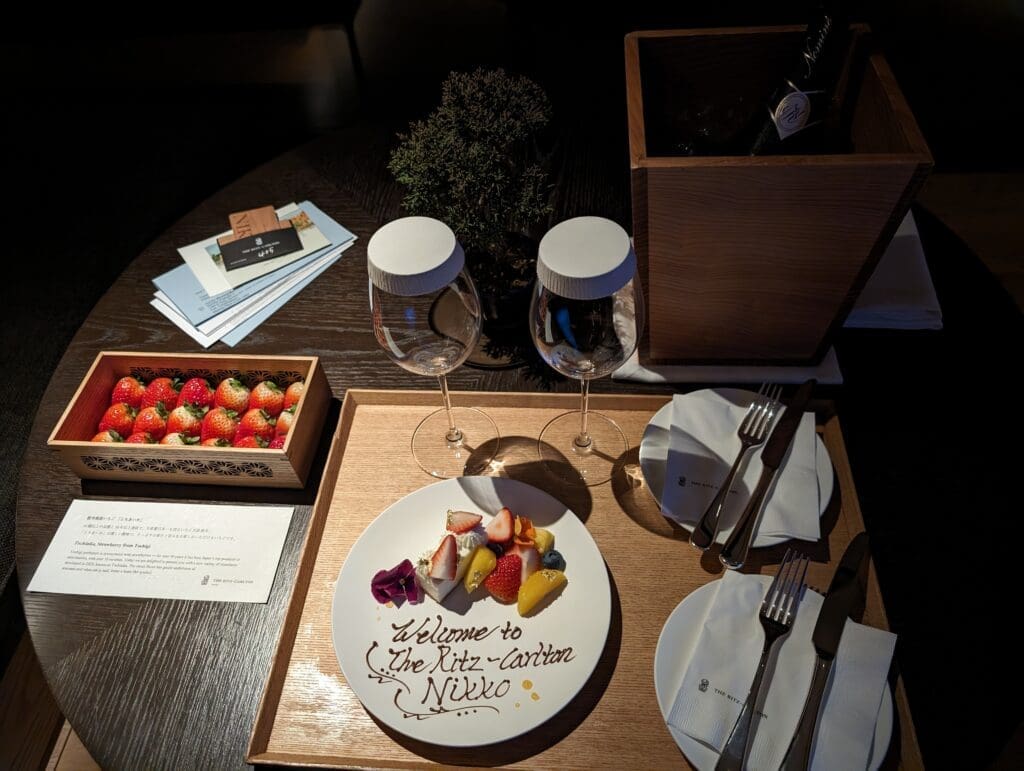
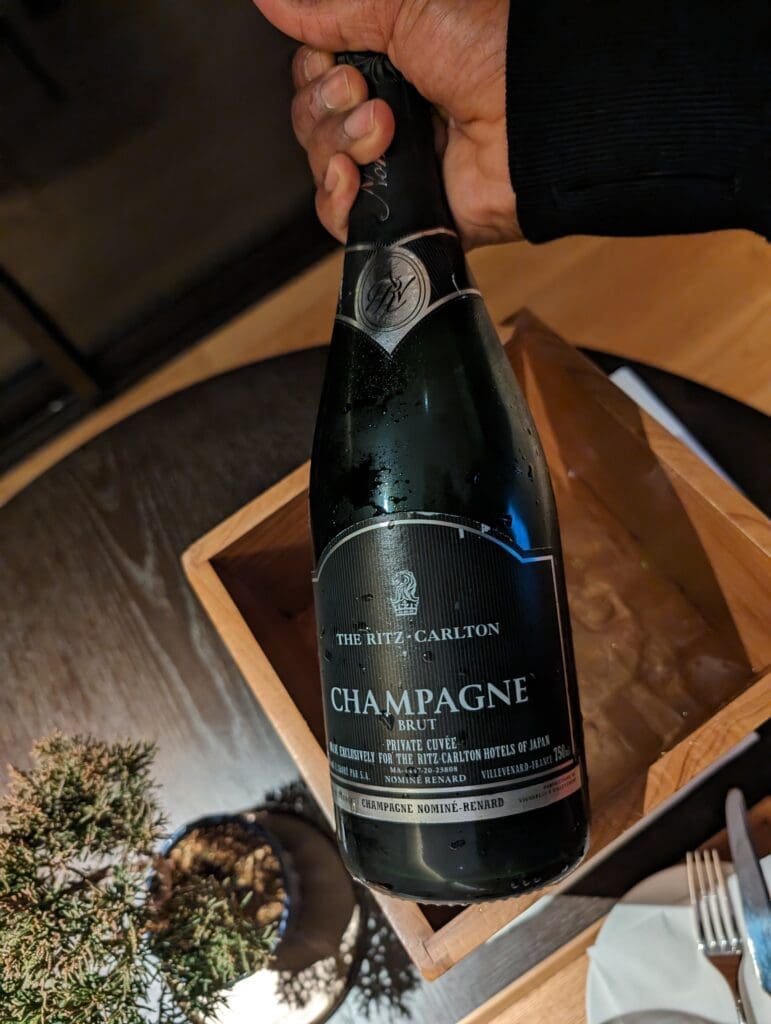
And listen, I’m giving you an off-ramp here, as this is where you can stop reading the review. I’ll give you all you need to know about this hotel by telling you that the quality and taste of these strawberries changed my life. I’m a fruit fan – possibly my favorite thing to do while traveling is visit fruit markets. I’ve always been ‘meh’ when it comes to strawberries, though. Tochigi is known for growing elite strawberries, and yes, indeed, they are the juiciest, sweetest-yet-also-balanced-with-the-right-amount-of-tartness strawberries I’ve ever had. I didn’t know strawberries could taste like that. We definitely finished that box. I was already won over.
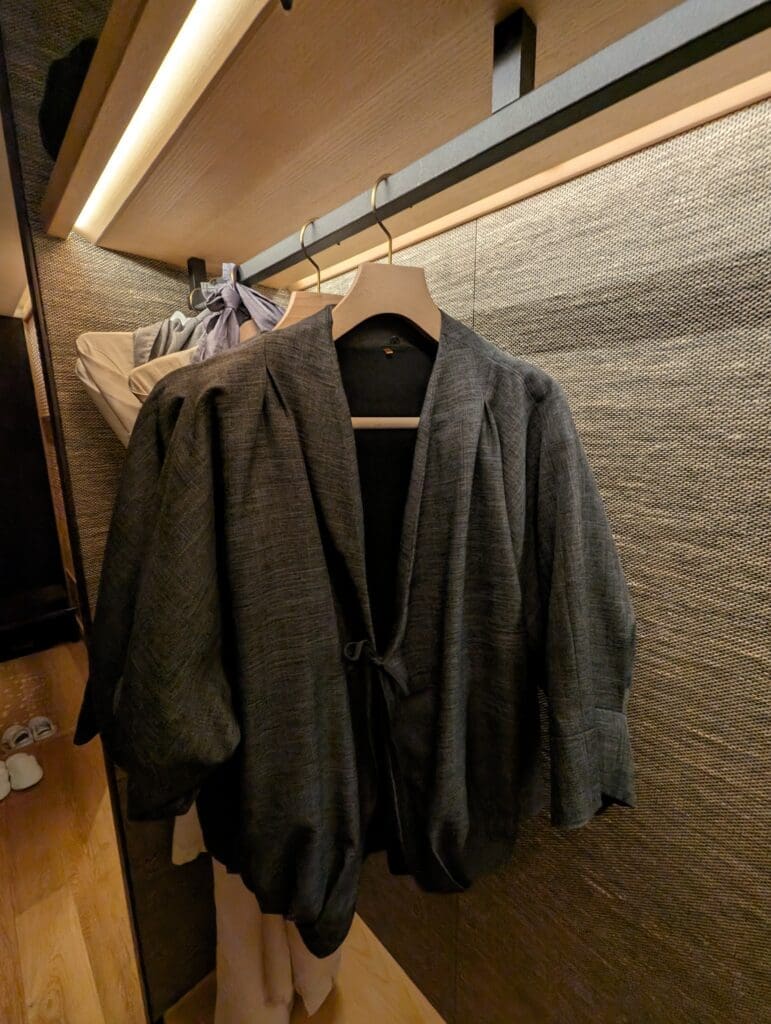
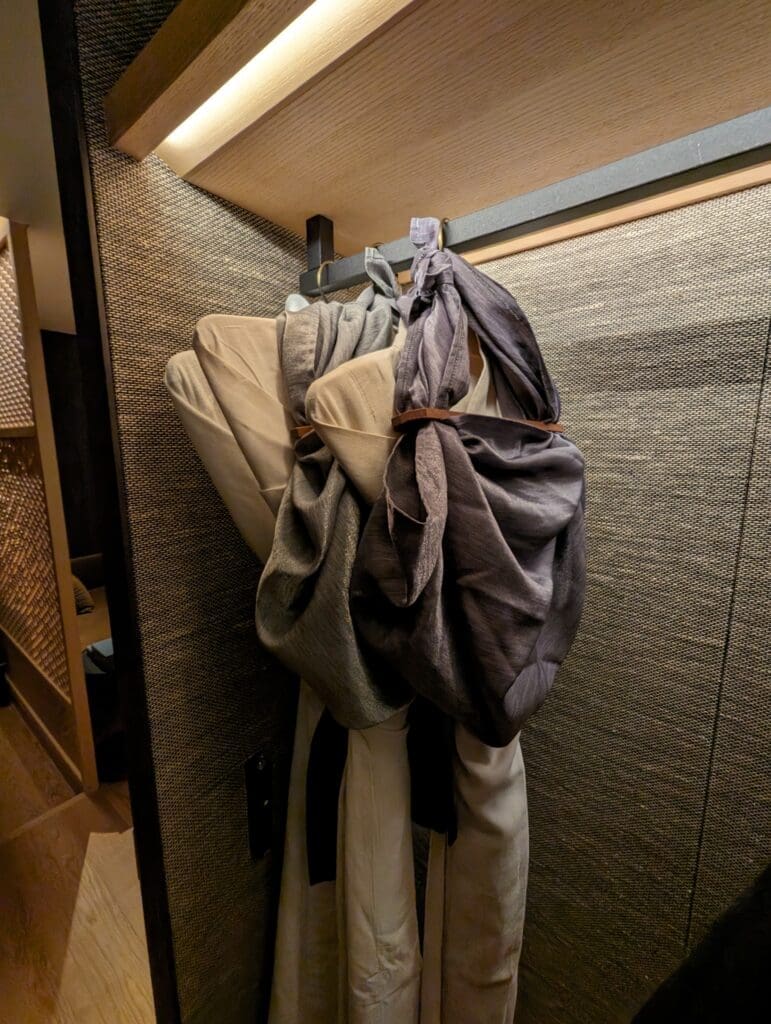
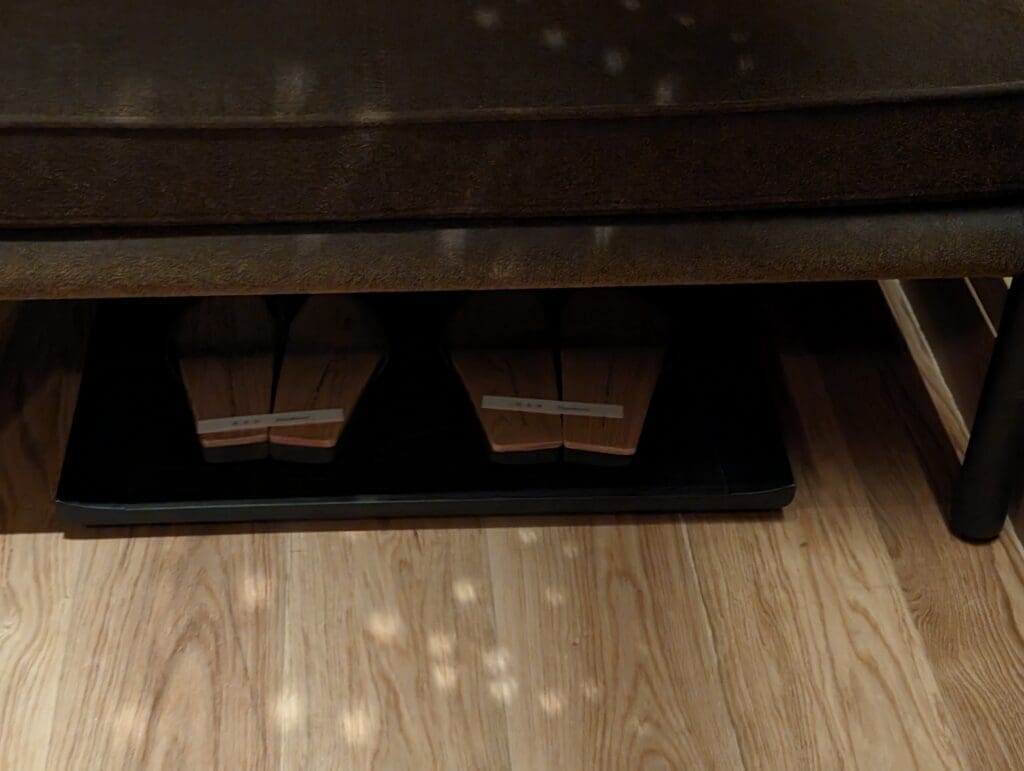
In the closet were the cozy spa robes and haoris to wear over them to keep you warm as you shuffled throughout the property. Accompanying these pieces were getas for your feet. I’d spend a lot of time in this gear.
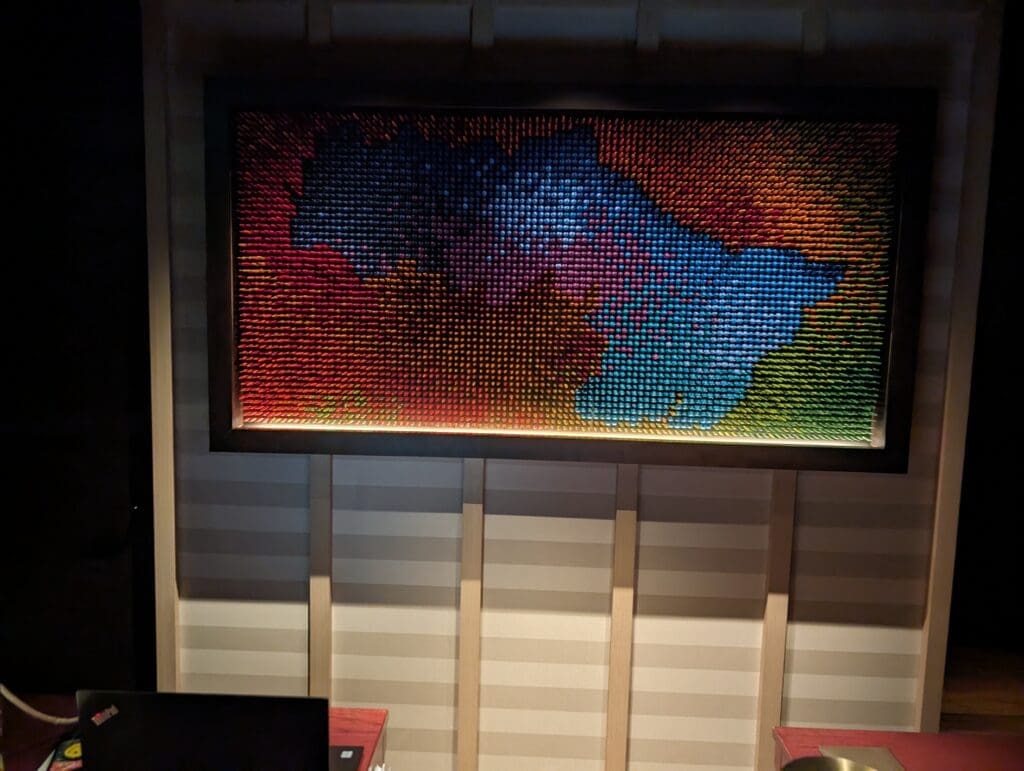
Tons of great touches throughout the room. A colorful art piece depicting the geography of the lake outside:
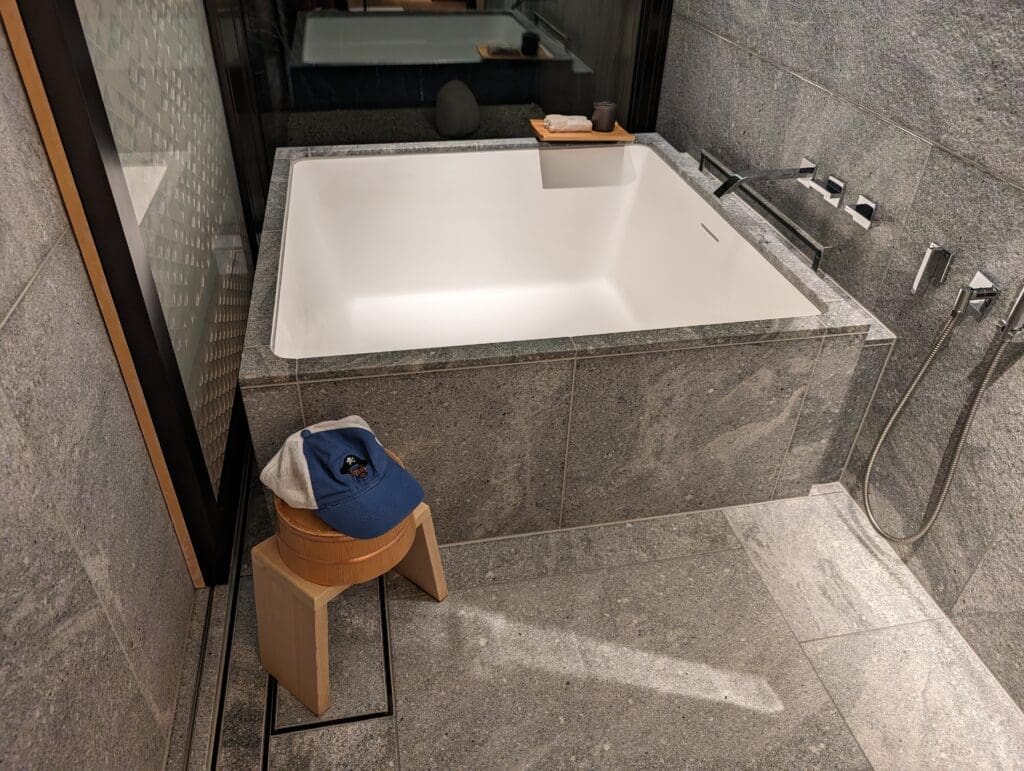
Spacious deep soaking tub:
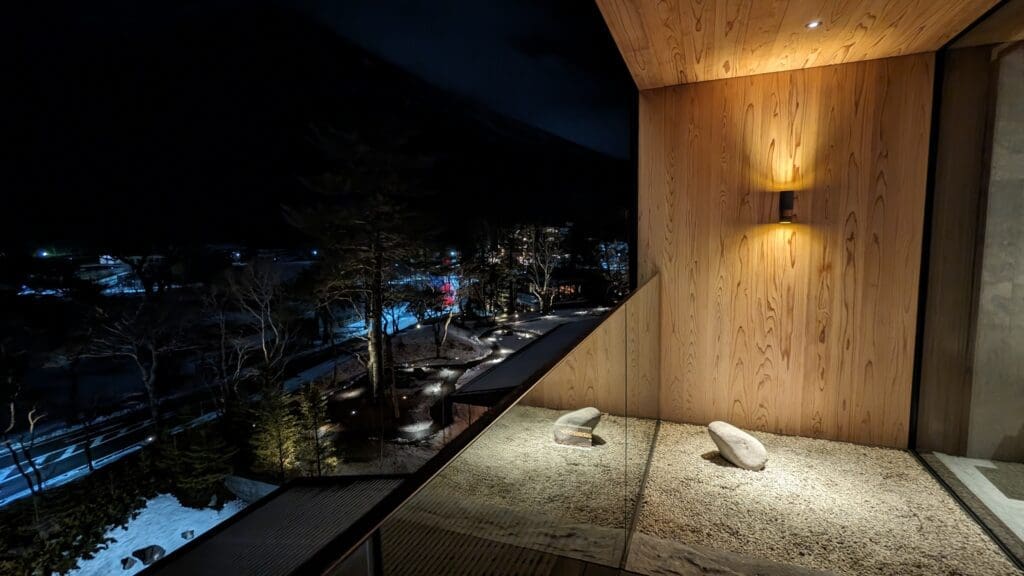
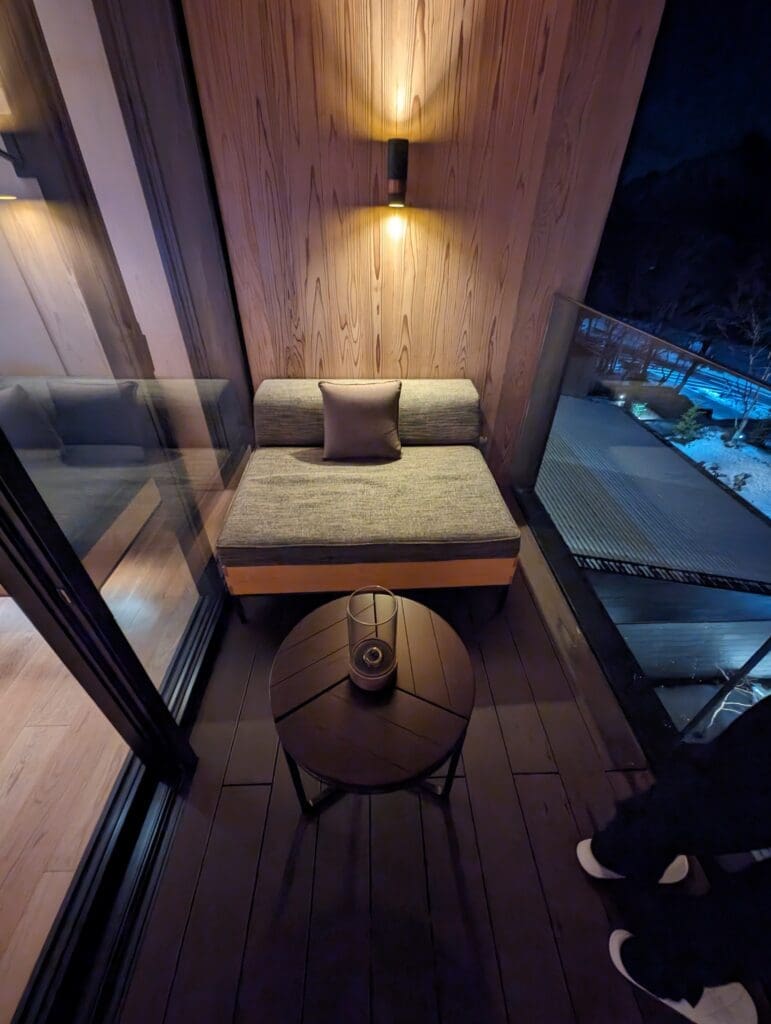
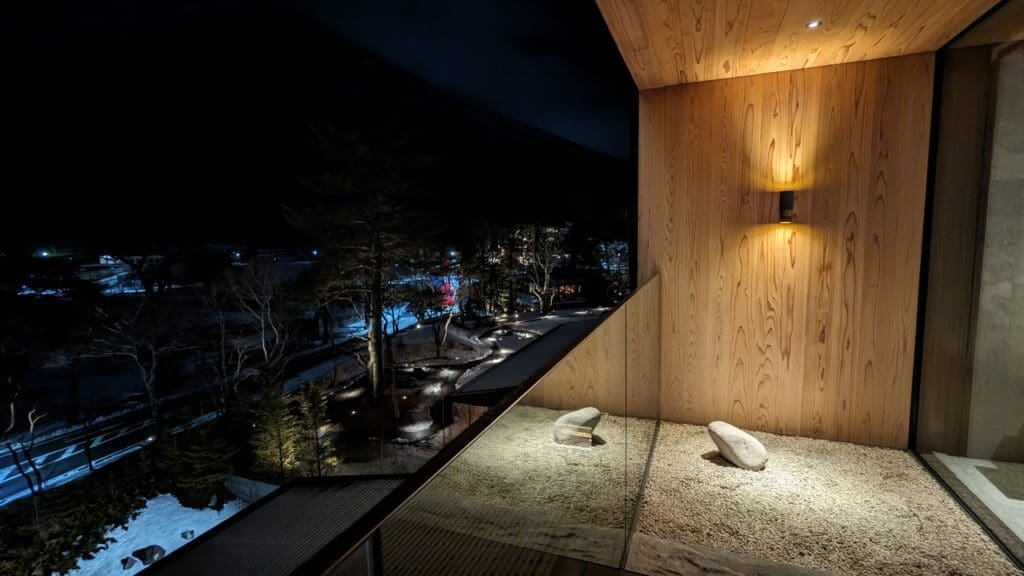
Quaint balcony with perfect mood light to accentuate the lakeside views.
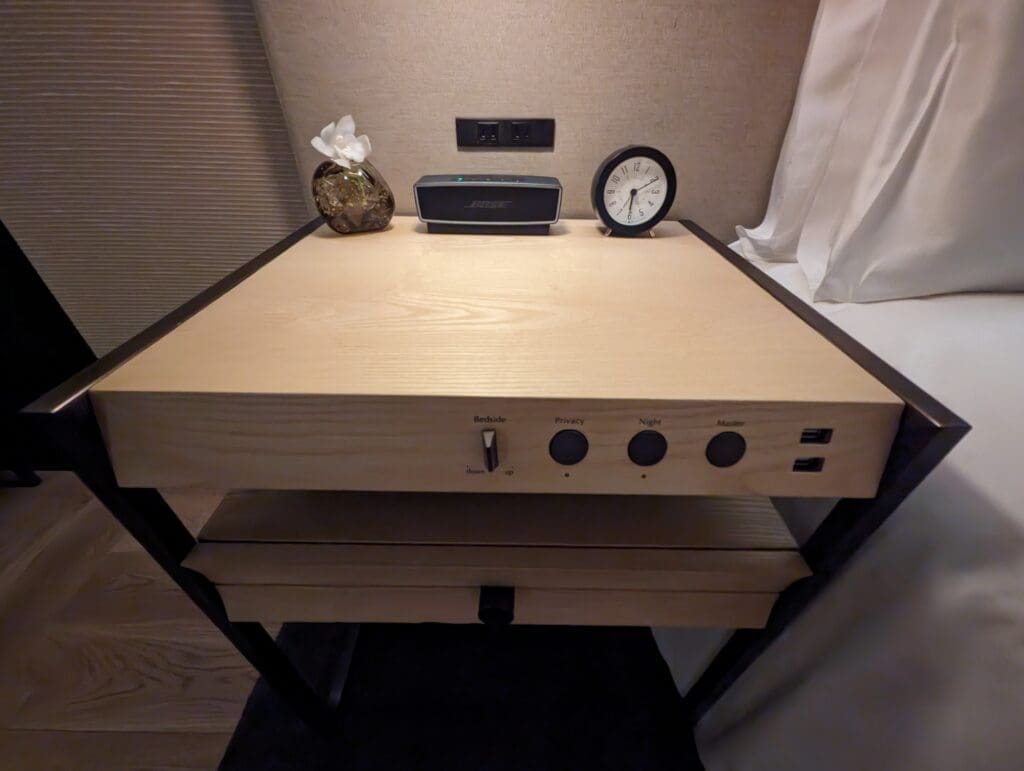
And a minimalist nightstand that allowed you to control the lighting throughout the room:
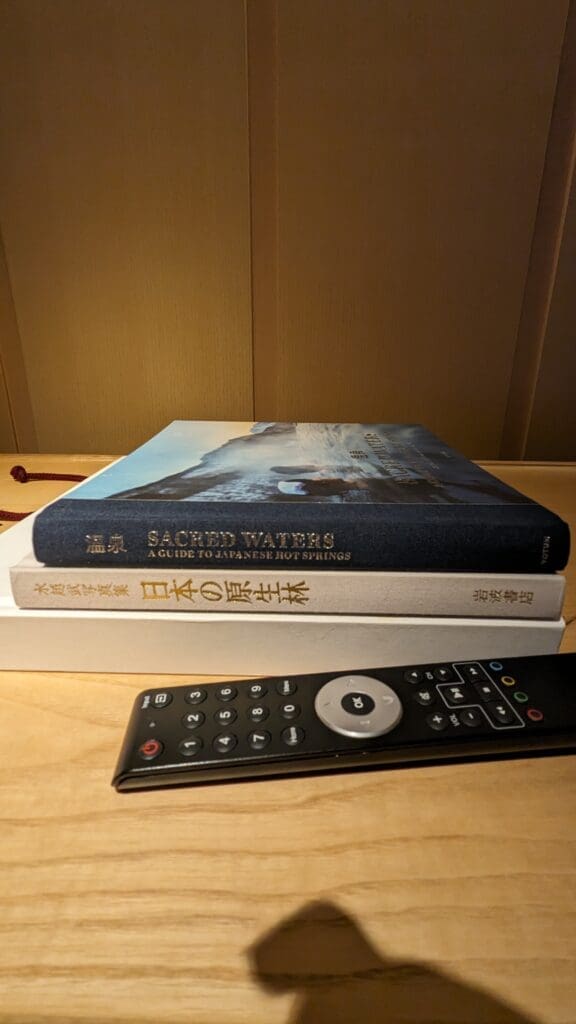
Fun coffee table reads:
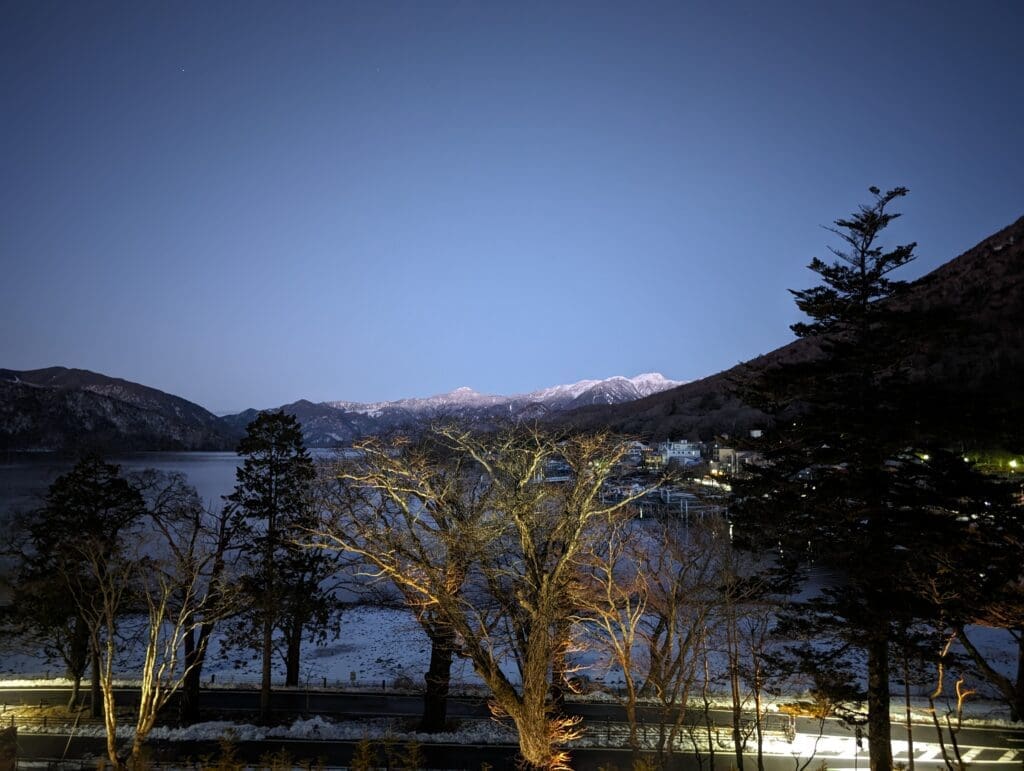
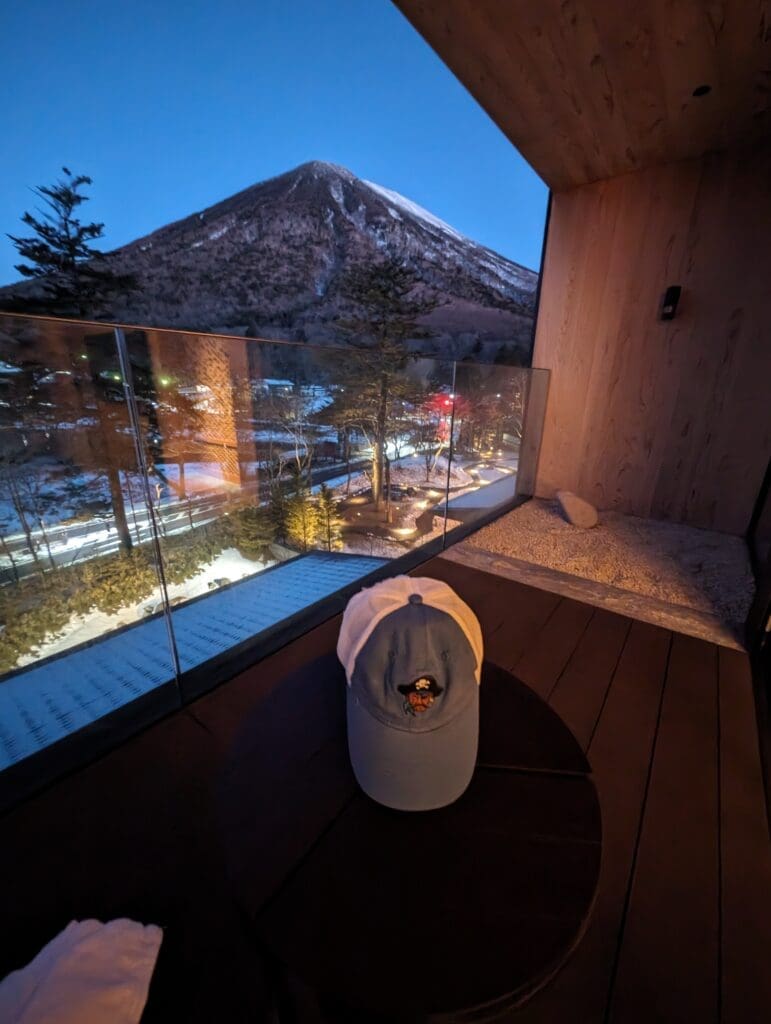
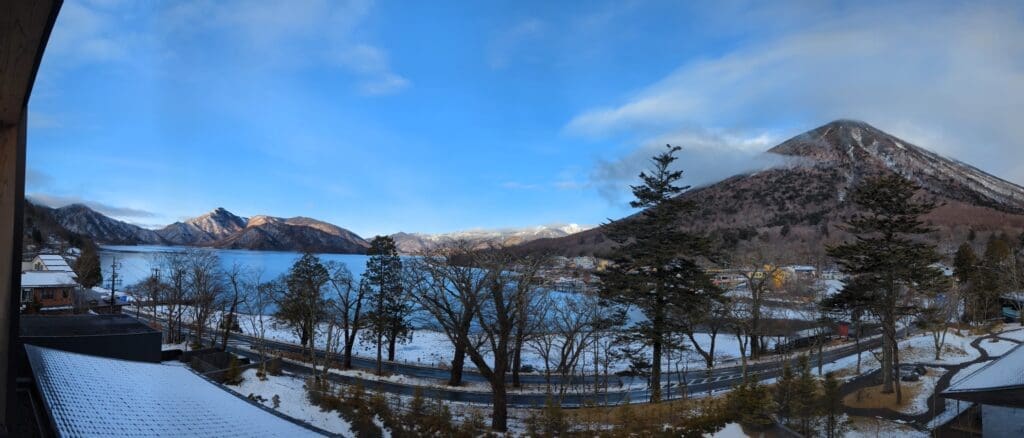
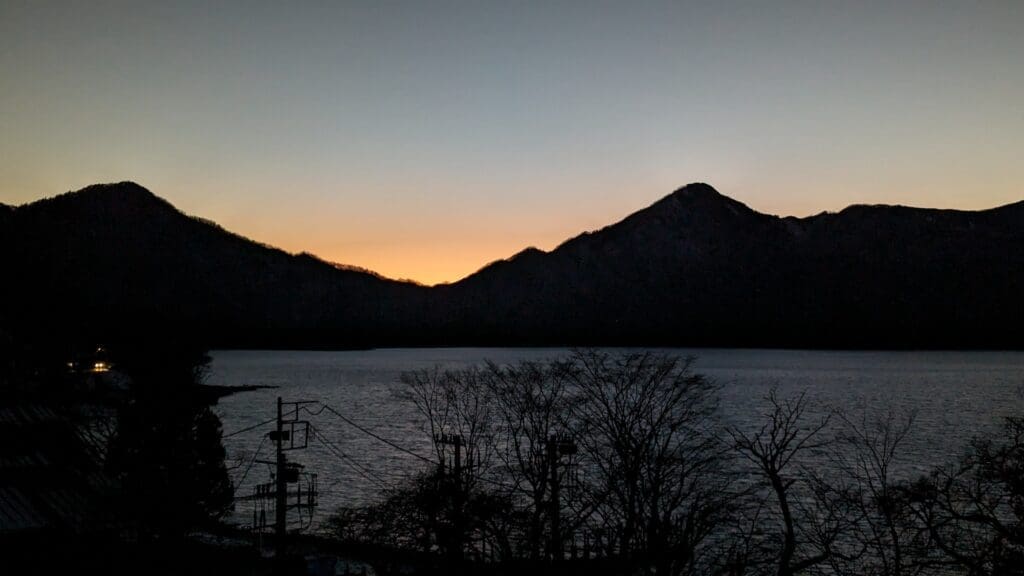
The views from the room were spectacular. It was super refreshing to open the door to the balcony early in the morning (or late and night) and get hit with a gust of that cool, crisp mountain air, knowing that you’re more than OK because you’re in your cozy robe.
And for the mini bar fanatics and toiletry connoisseurs amongst you:
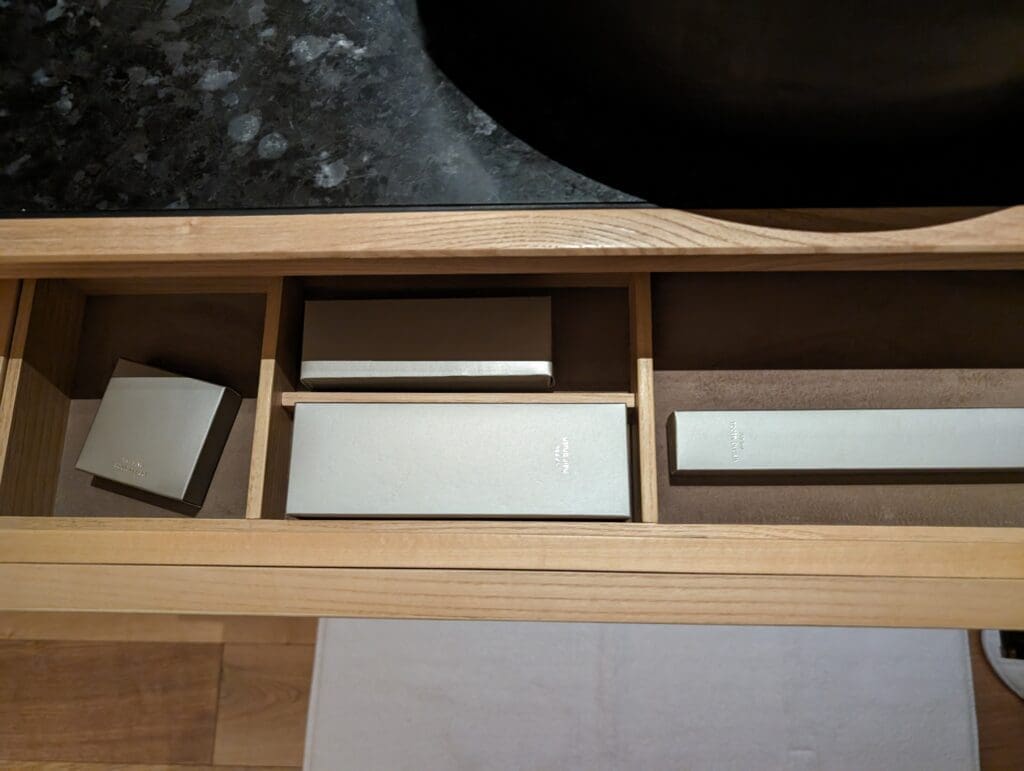
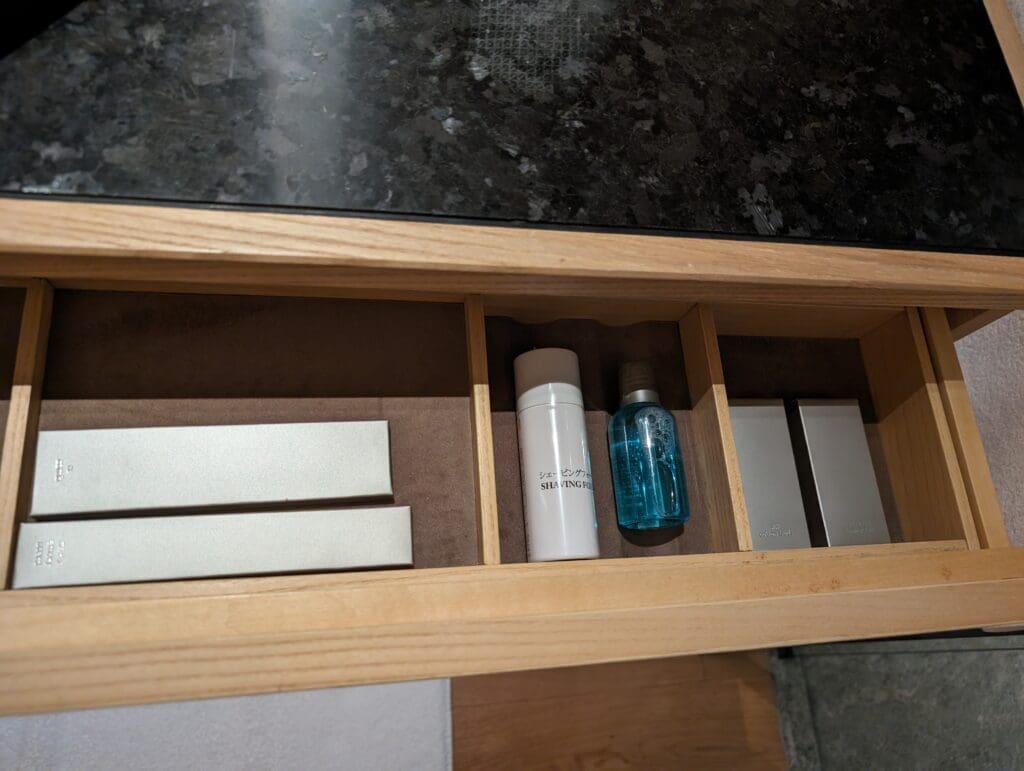
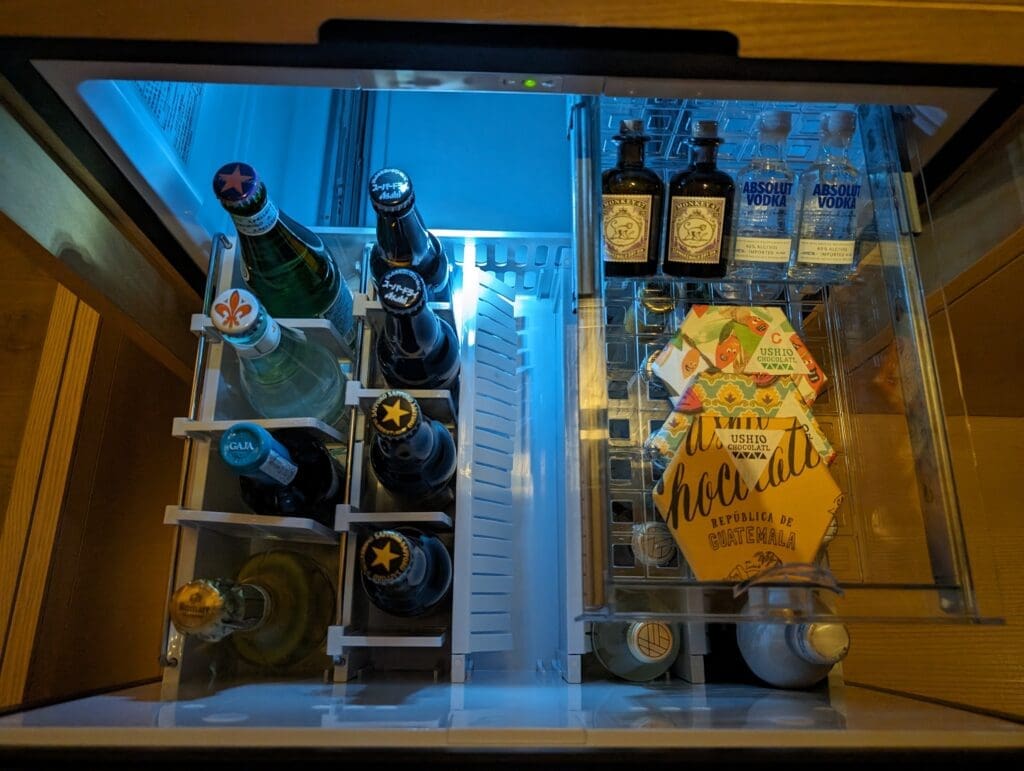
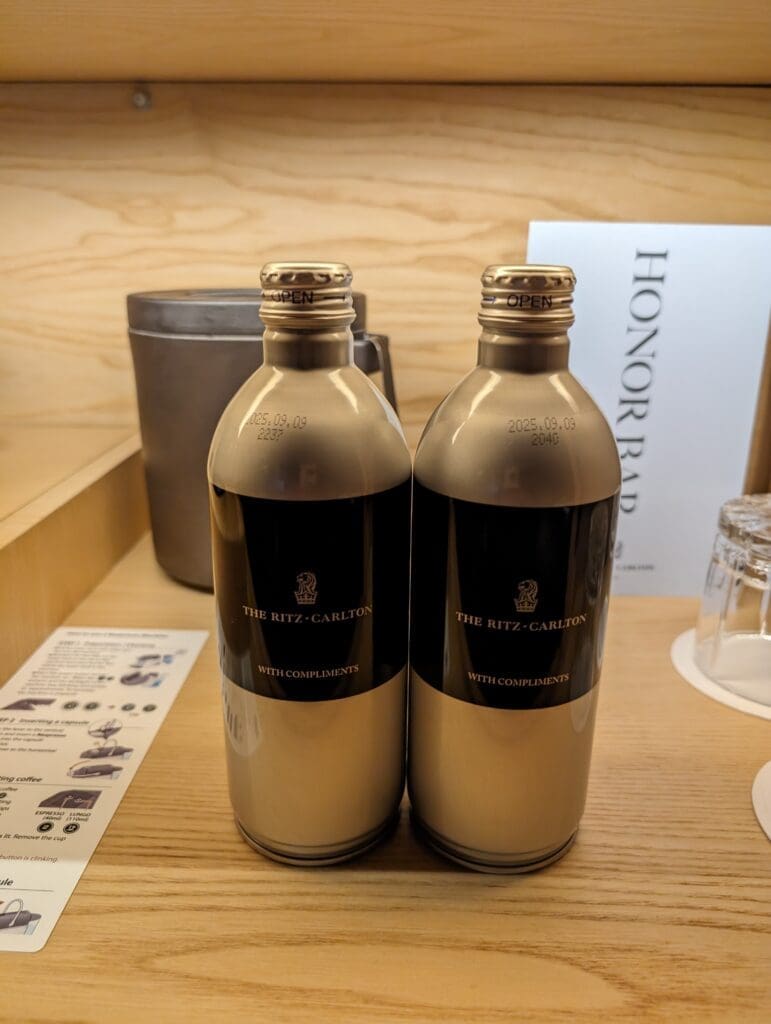
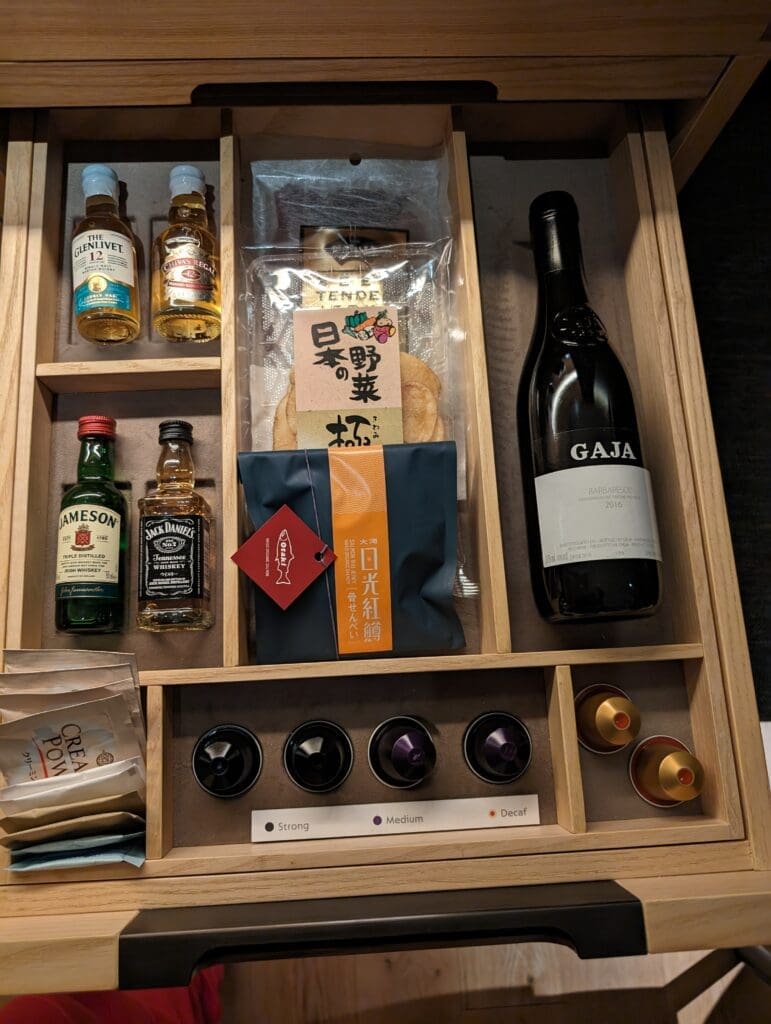
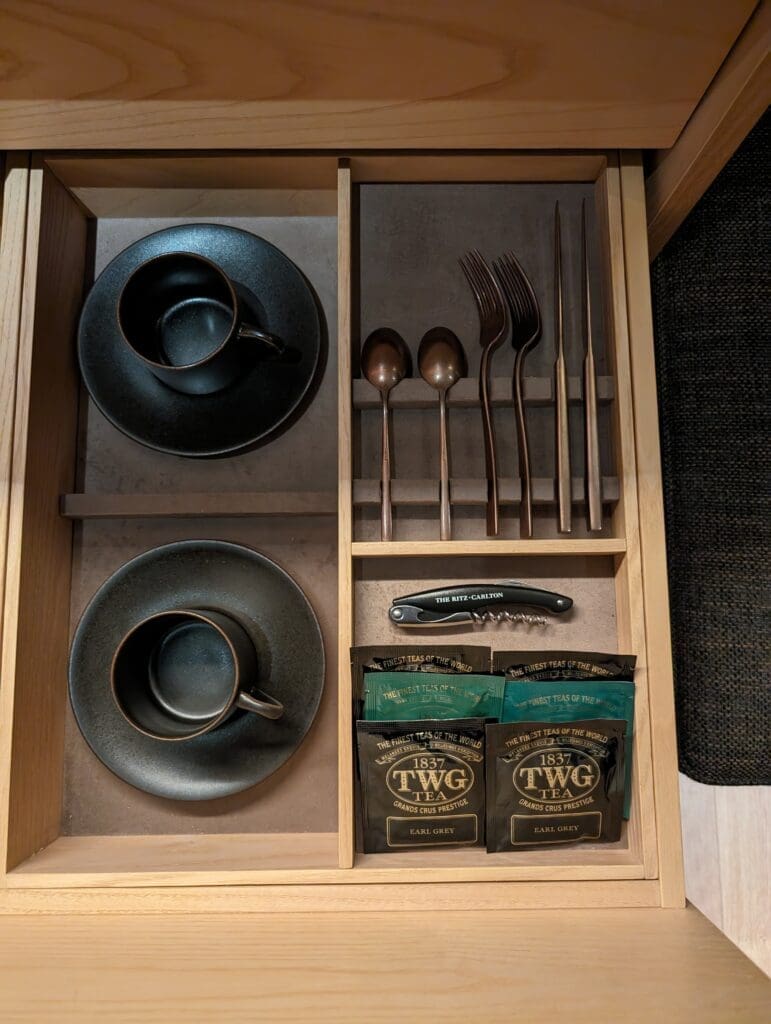
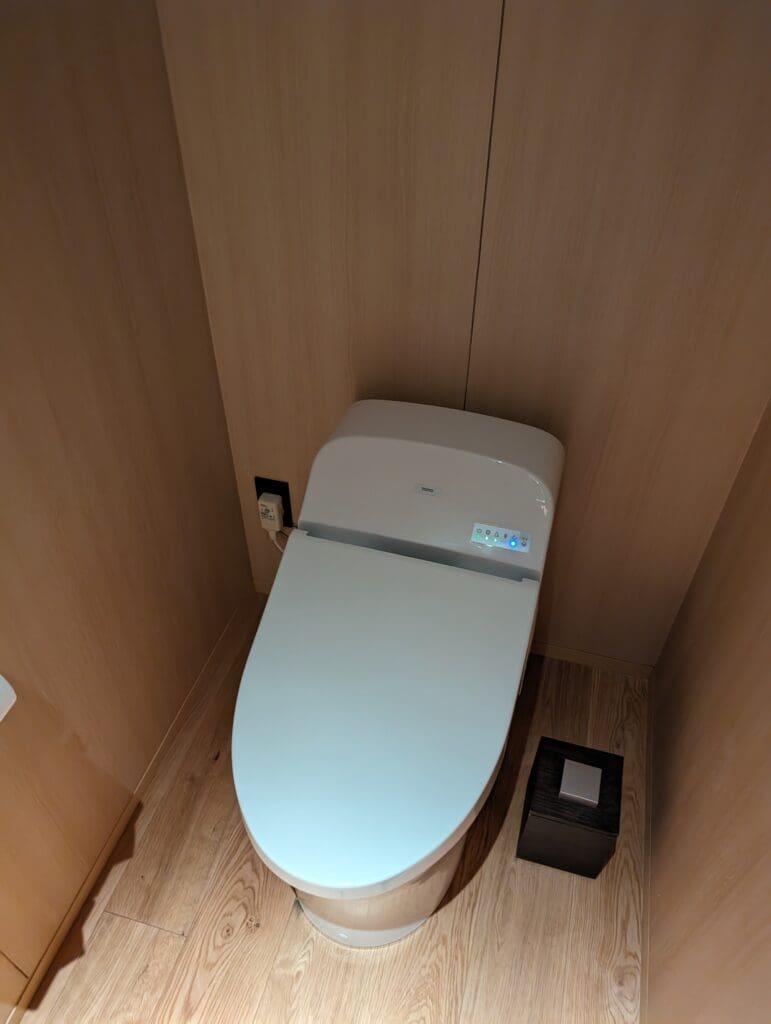
And of course, no luxury hotel review in Japan is complete without paying homage to the great porcelain deity – Toto:
Finally, I have to add a note on turndown service. It was pretty impeccable and included a neatly wrapped tea service.
The Grounds
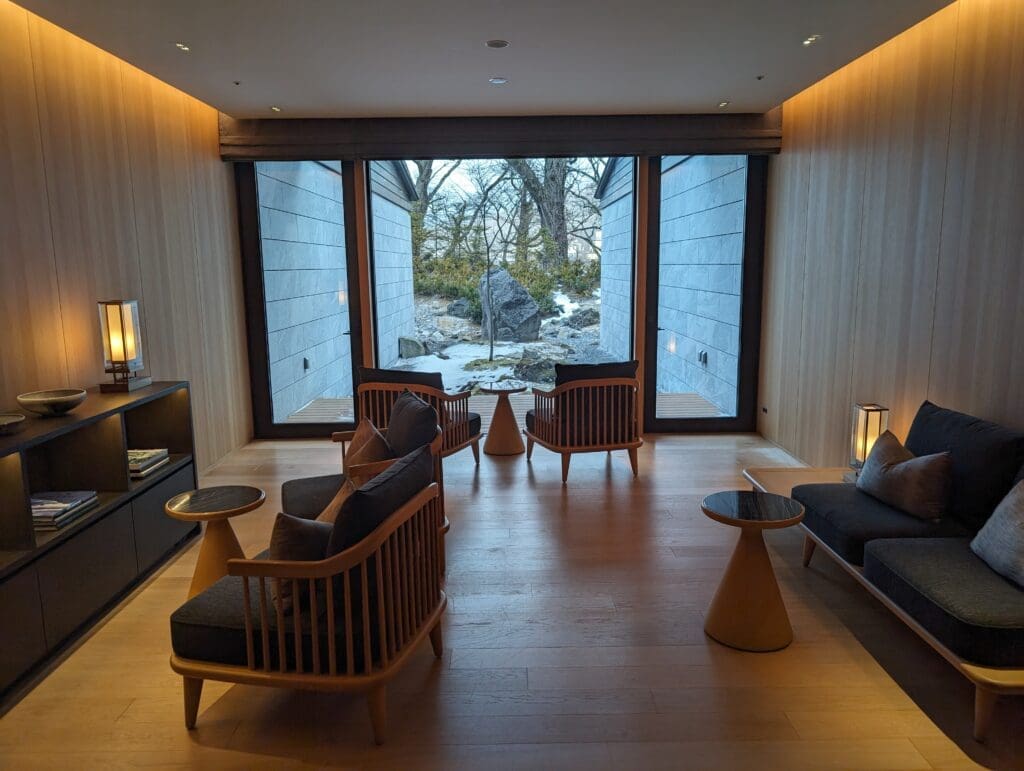
The hotel’s grounds are simple, yet elegant and it all works to create a super relaxing environment. Whether it’s little sitting alcoves, or windows that offer a view into the snow outside as you hustle by in your yakata
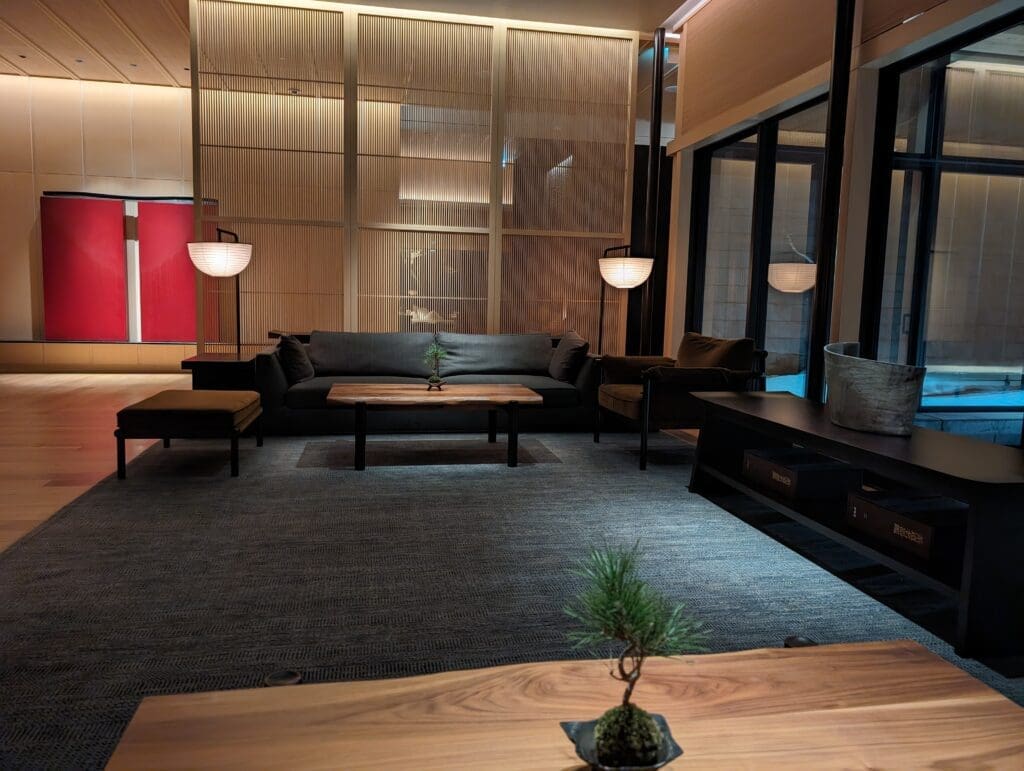
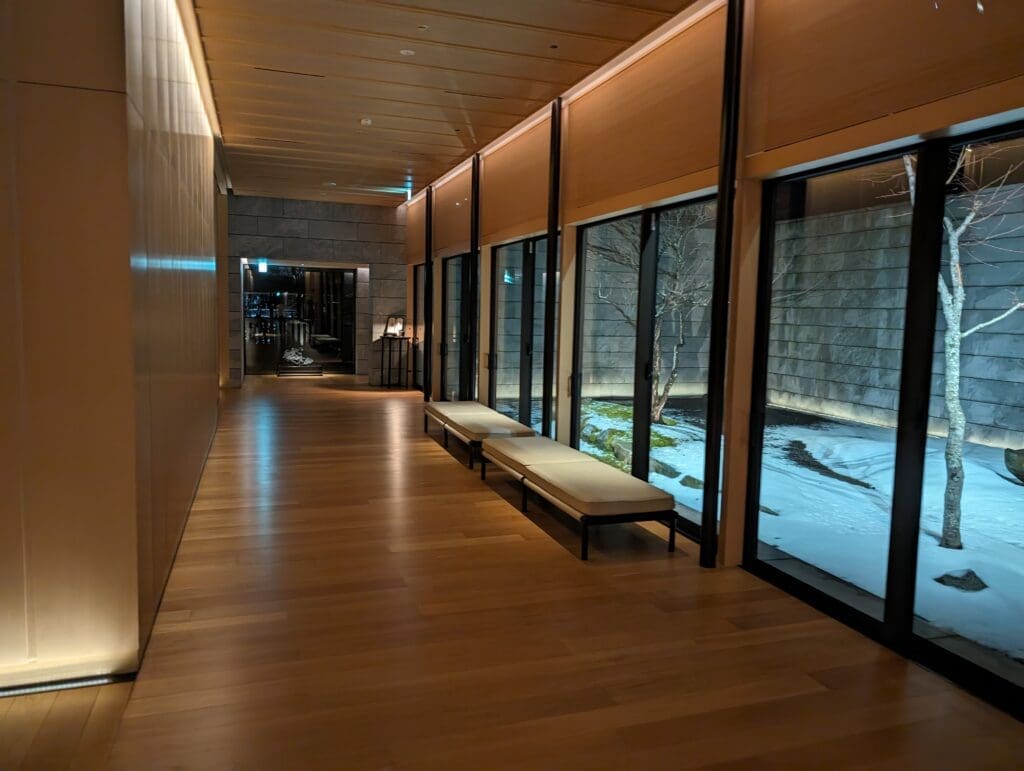
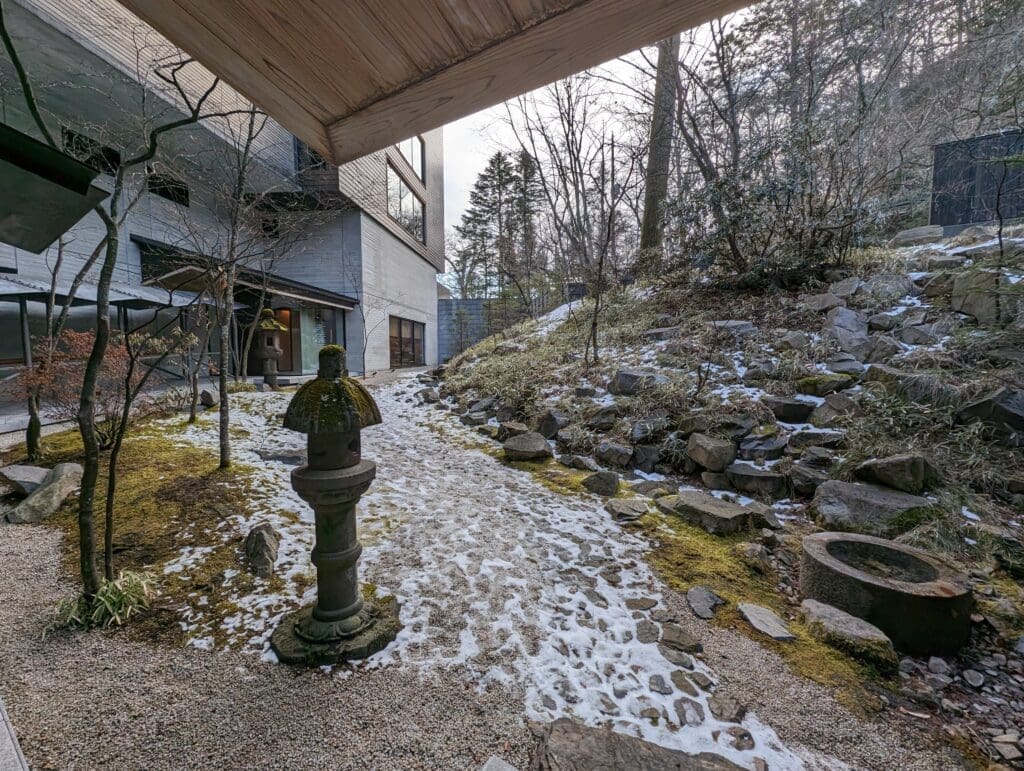
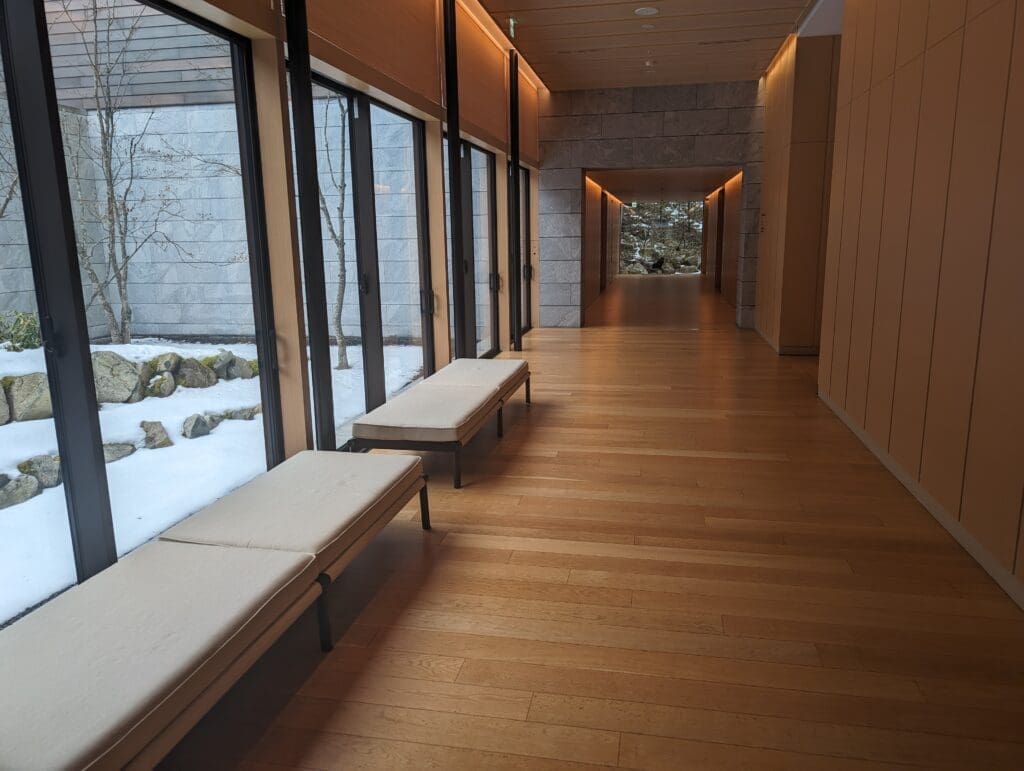
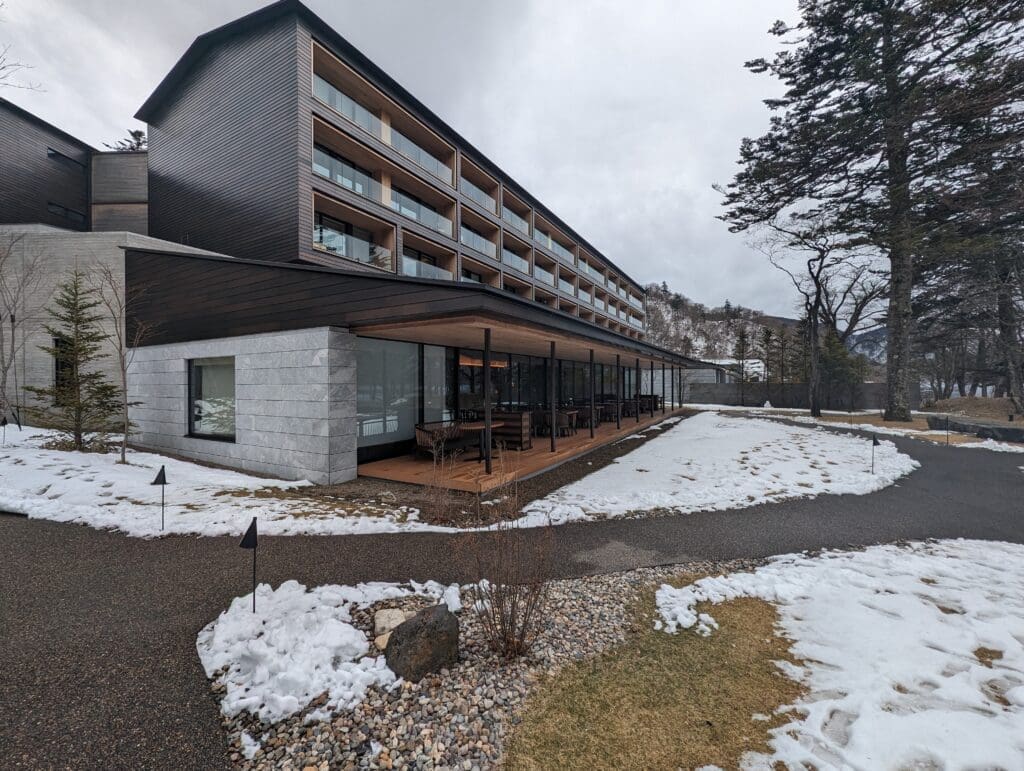
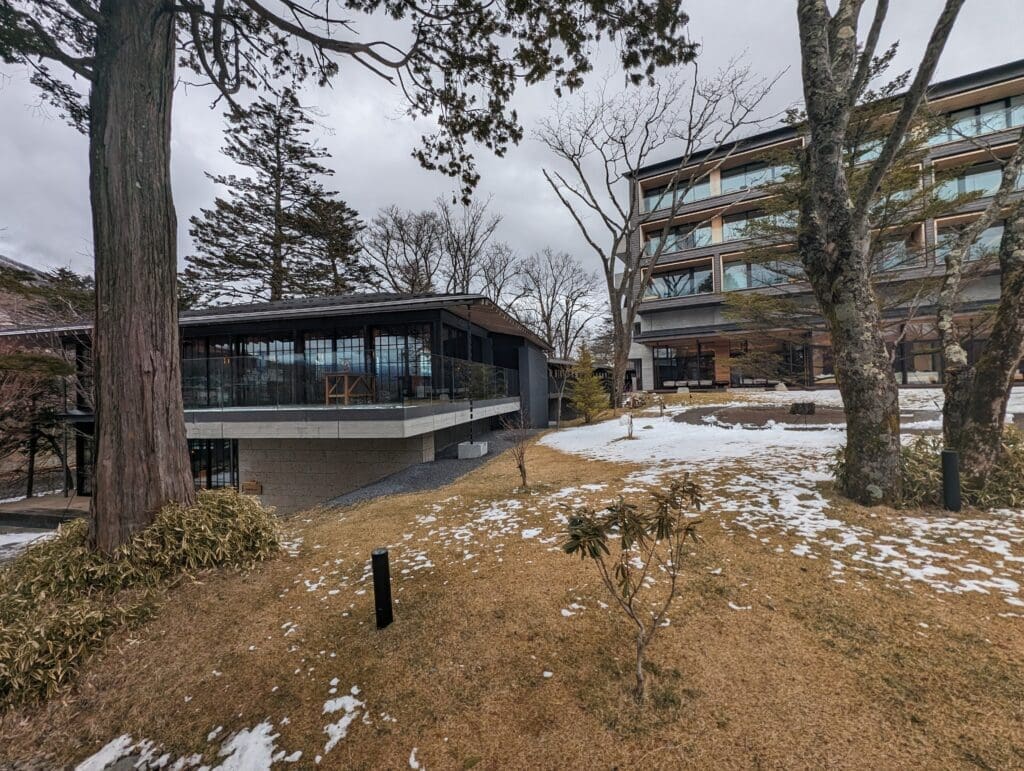
Getting a room with a view is a must – it truly makes the experience.
Dining
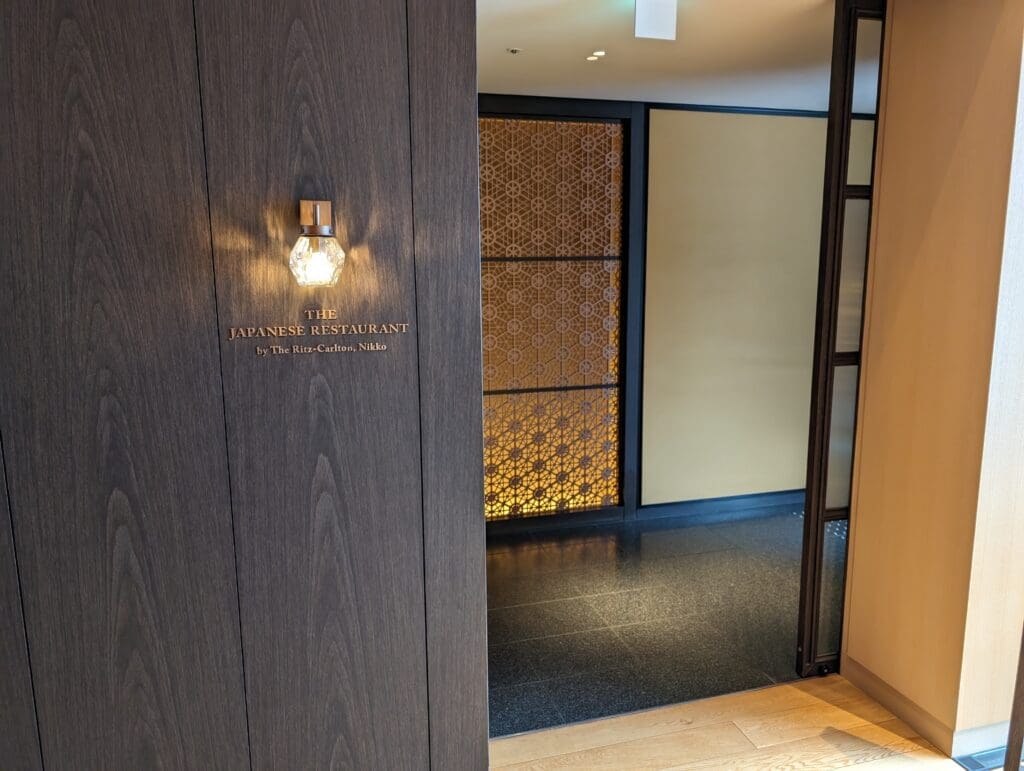
There are four dining outlets at the hotel: The Japanese Restaurant, The Lakehouse, The Lobby Lounge, and The Bar. As you can tell, they didn’t blow the budget on naming. There’s also 24-hour room service.
I’d rate the dining experience at the hotel as solidly well above average, but just shy of truly elite.
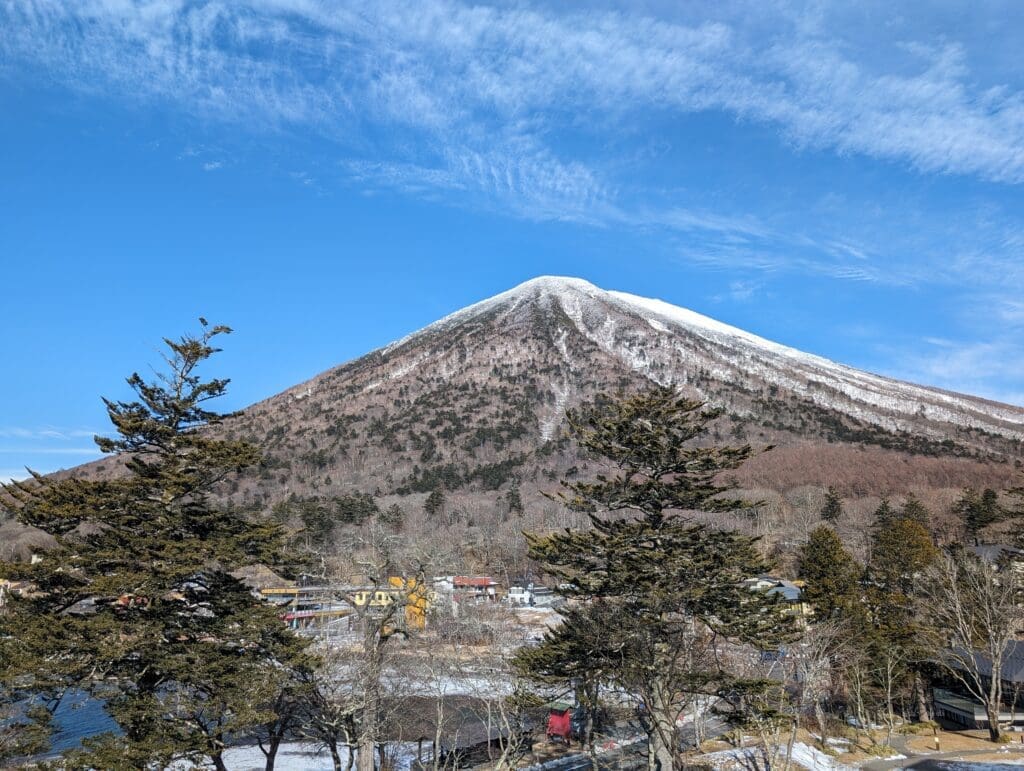
My favorite dining experiences were at breakfast. Our rate included complimentary breakfast, and there was the choice of a traditional Japanese Breakfast, Western Breakfast, or several a la carte items. To our delight, we could enjoy this breakfast in the room, at no additional charge, and this is precisely what we did. There was a rather convenient dining table in the room (which helped keep things tidy and orderly), and having breakfast in the cozy robes with the balcony door open, looking out at Mount Nikkō-Shirane, was simply:
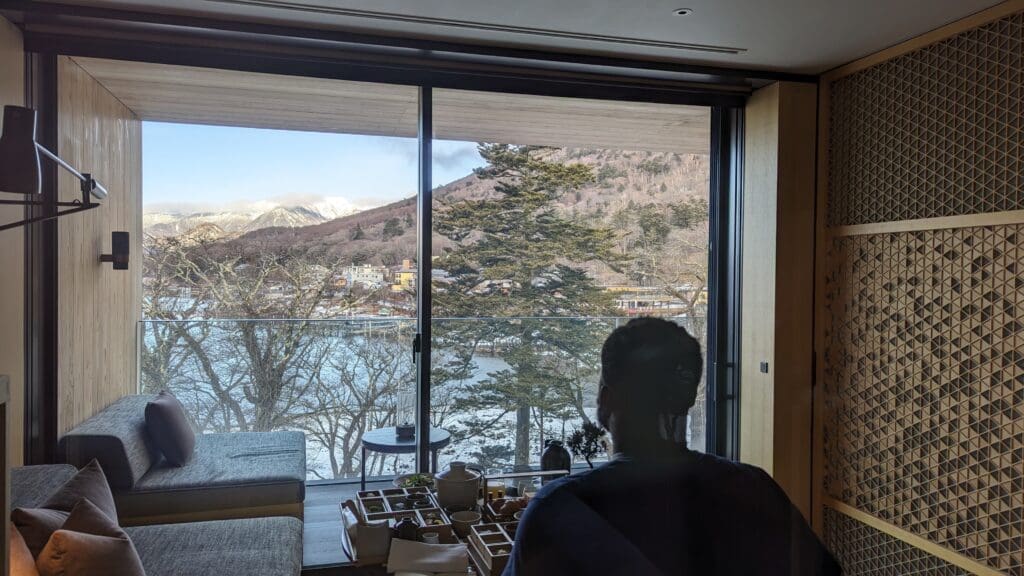
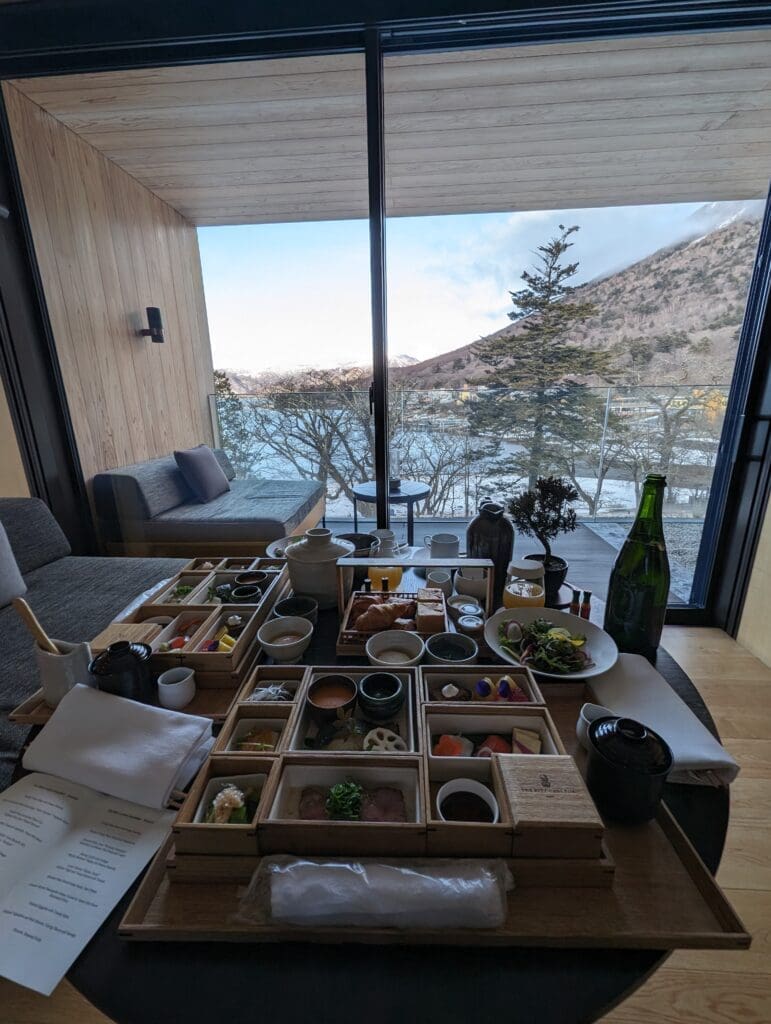
Breakfast was delicious, extremely filling, and delightfully well-presented. If you’re accustomed to eating one or two meals a day, then you’ll be right at home here.
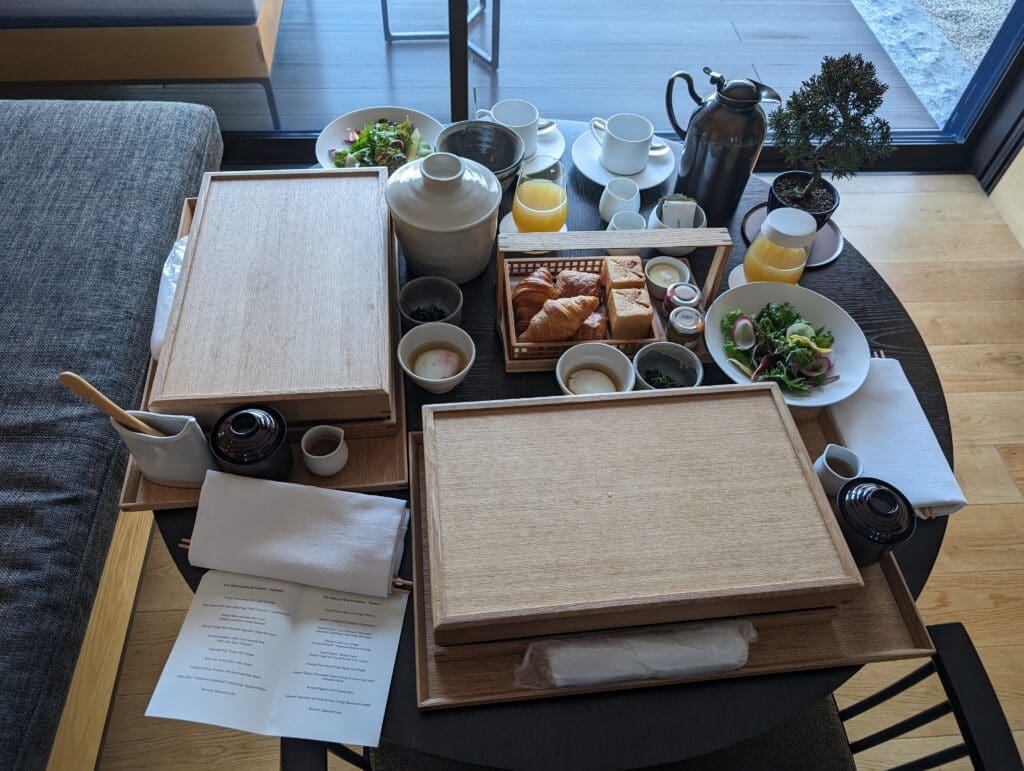
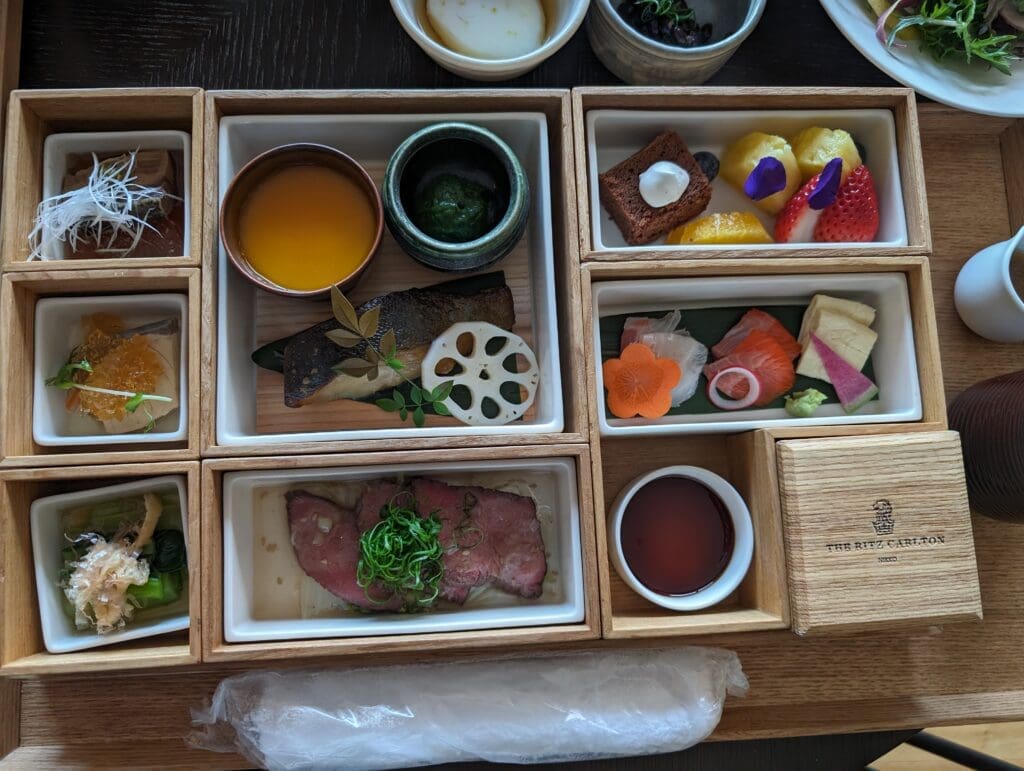
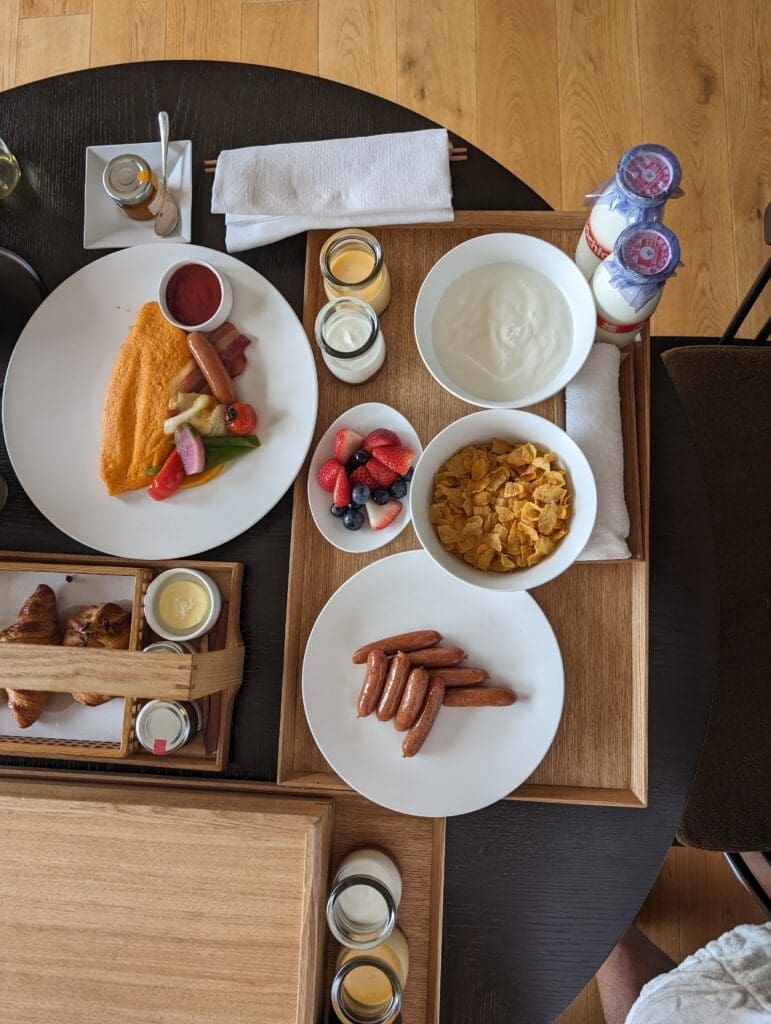
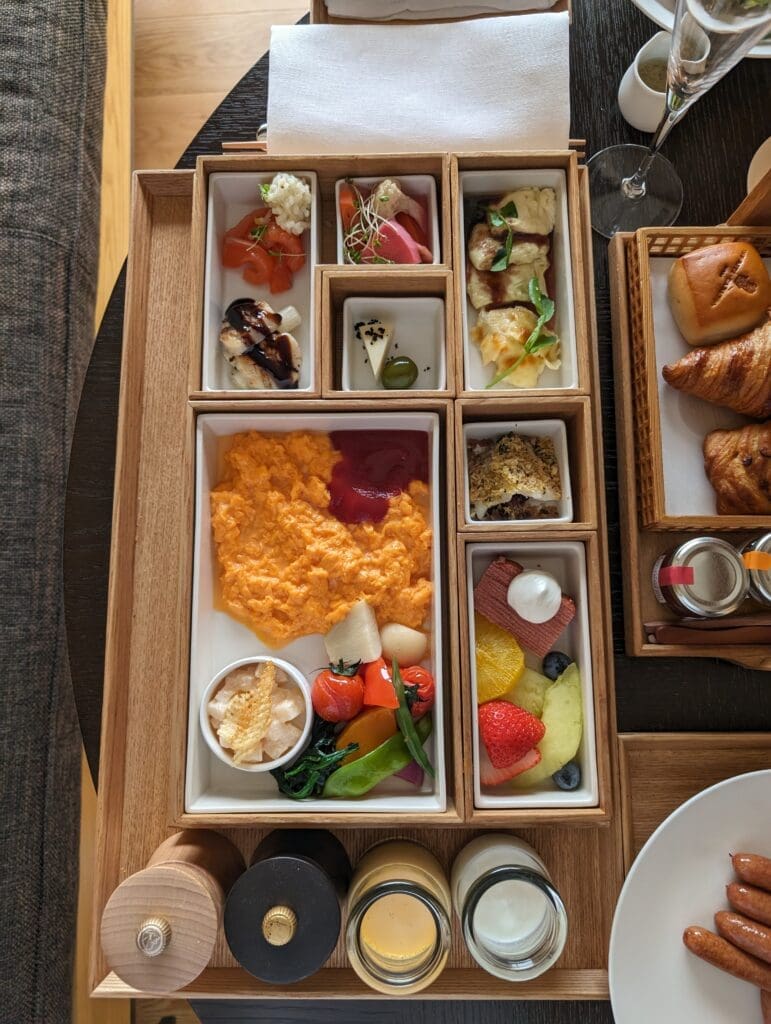
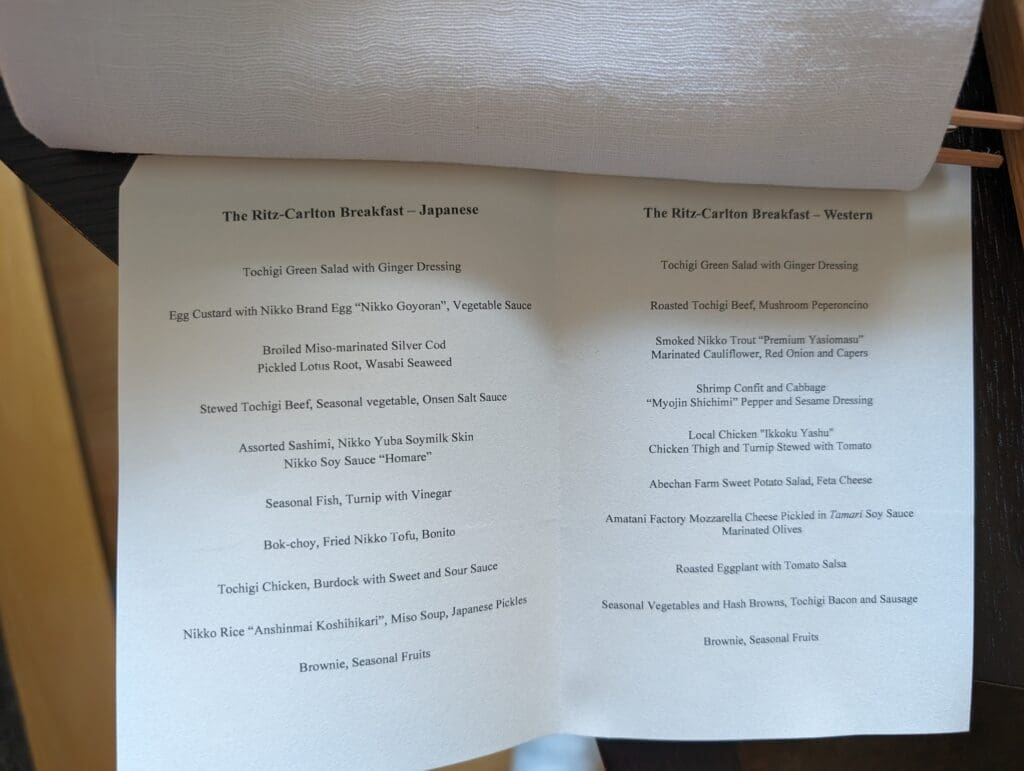
Here’s a look at the Japanese and Western offerings:
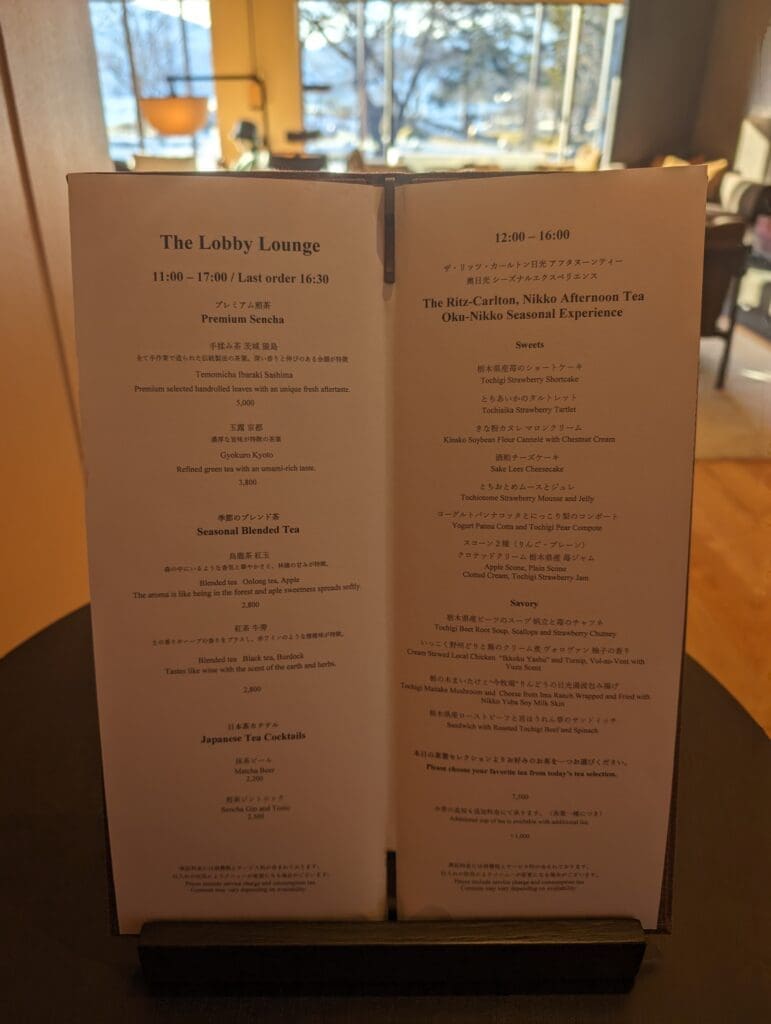
In the Lobby Lounge, you can enjoy a signature afternoon tea tasting. We never attended one, but I snapped a photo of the menu.
For dinner our first night, we sat down at The Lakehouse Restaurant. There’s a tasting menu, as well as a la carte options.
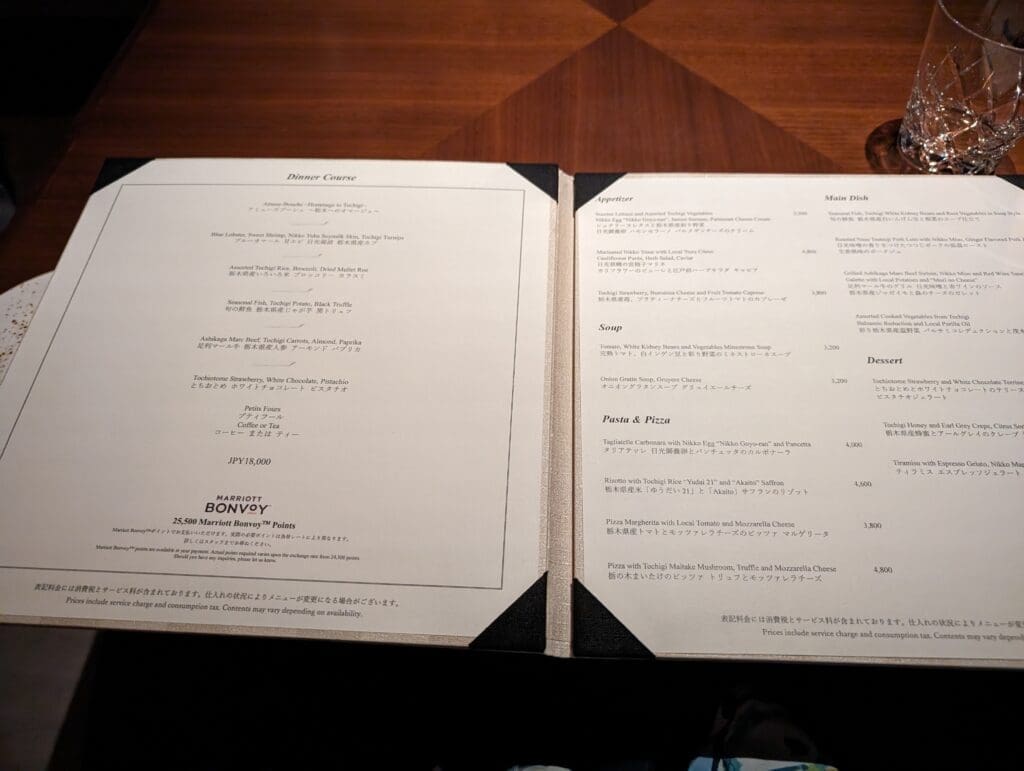
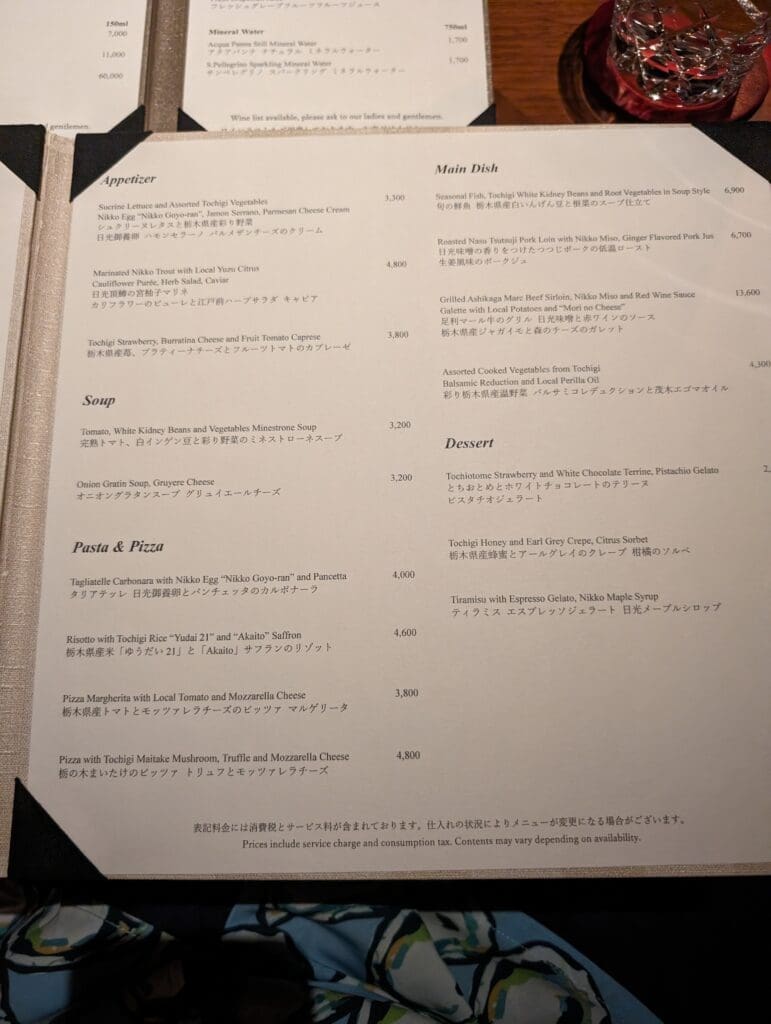
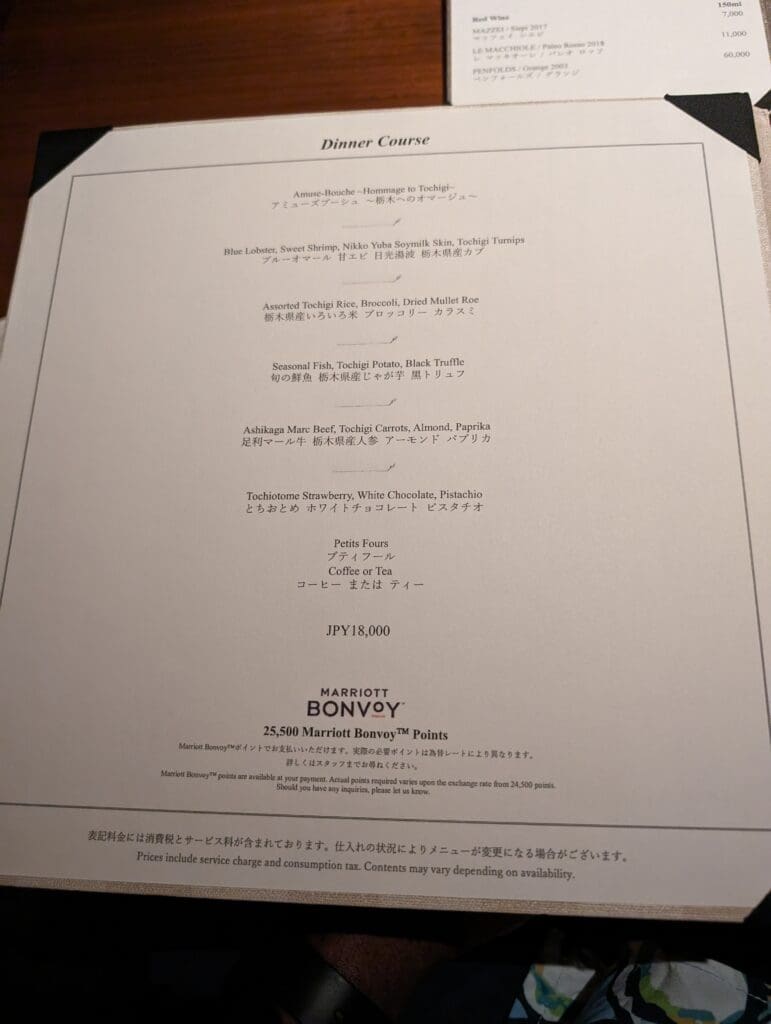
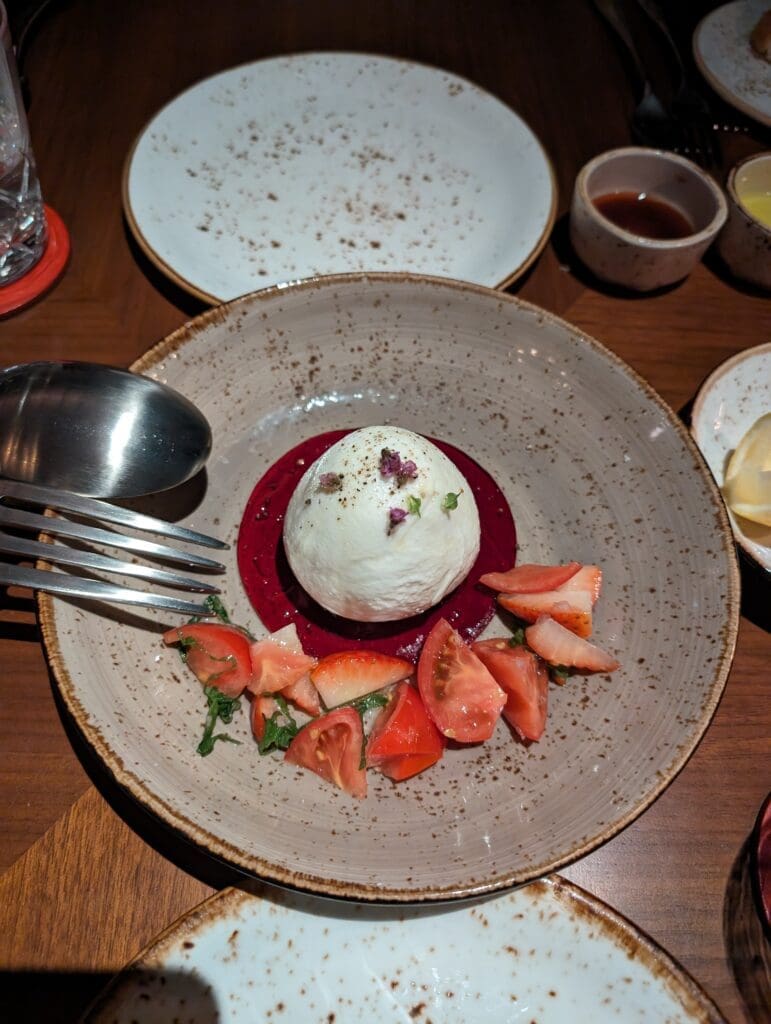
We were feeling Italian, so we split some pasta, a pizza, salad, and burrata. Everything definitely tasted ‘good,’ but I wasn’t blown away by anything.
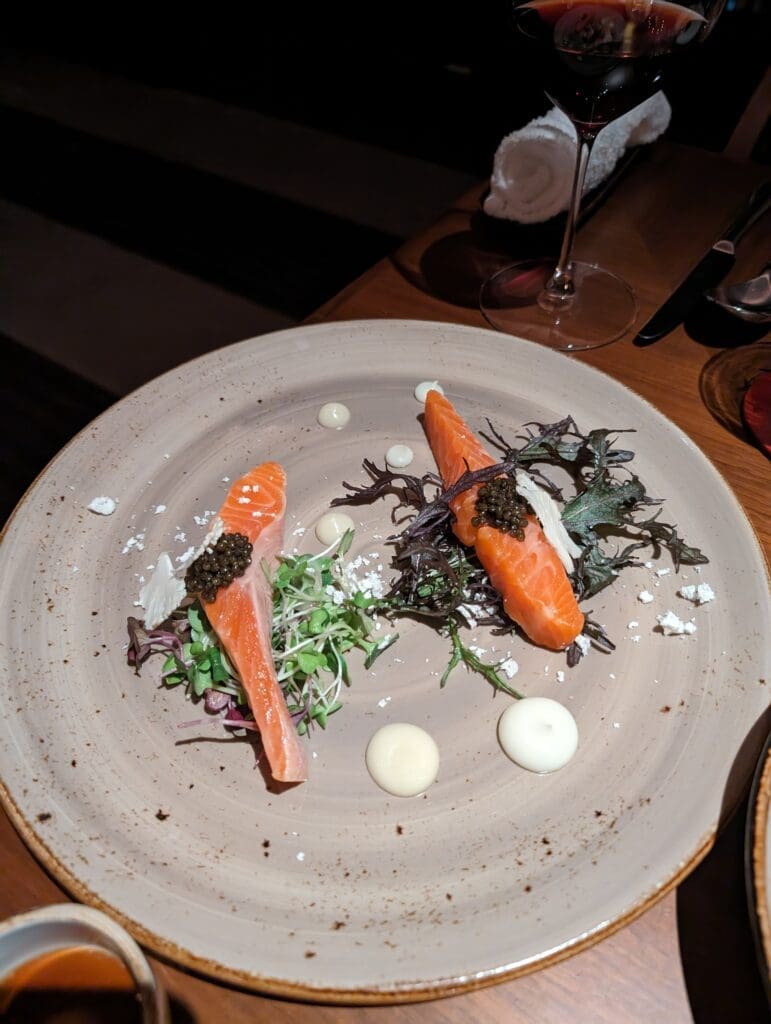
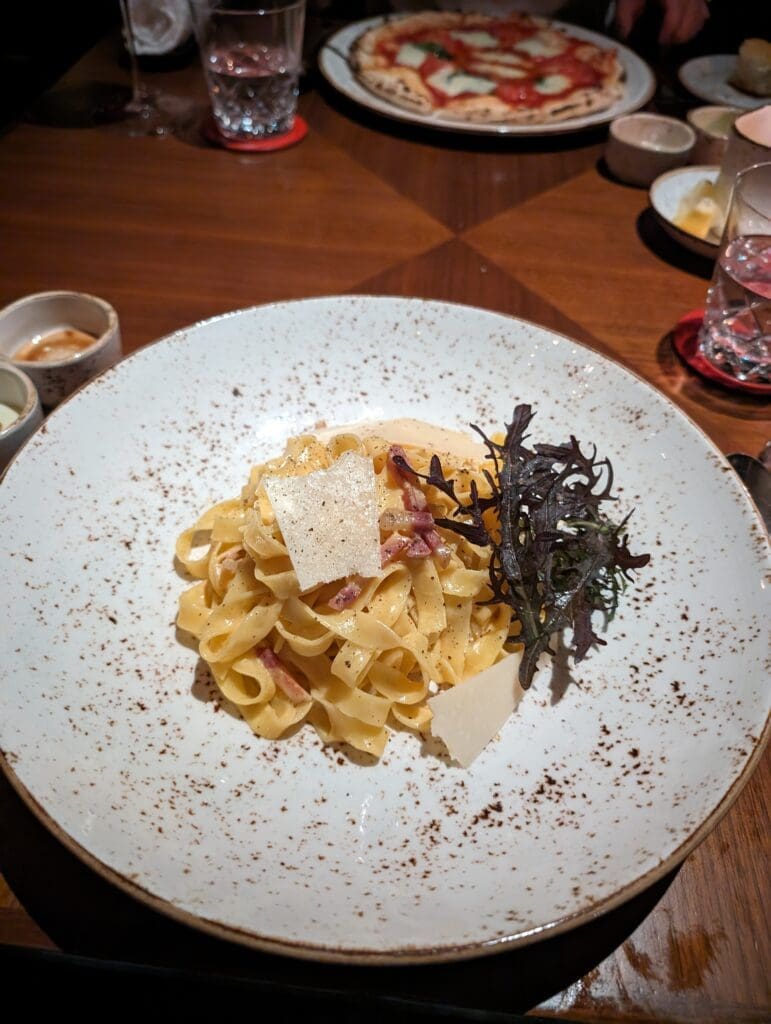
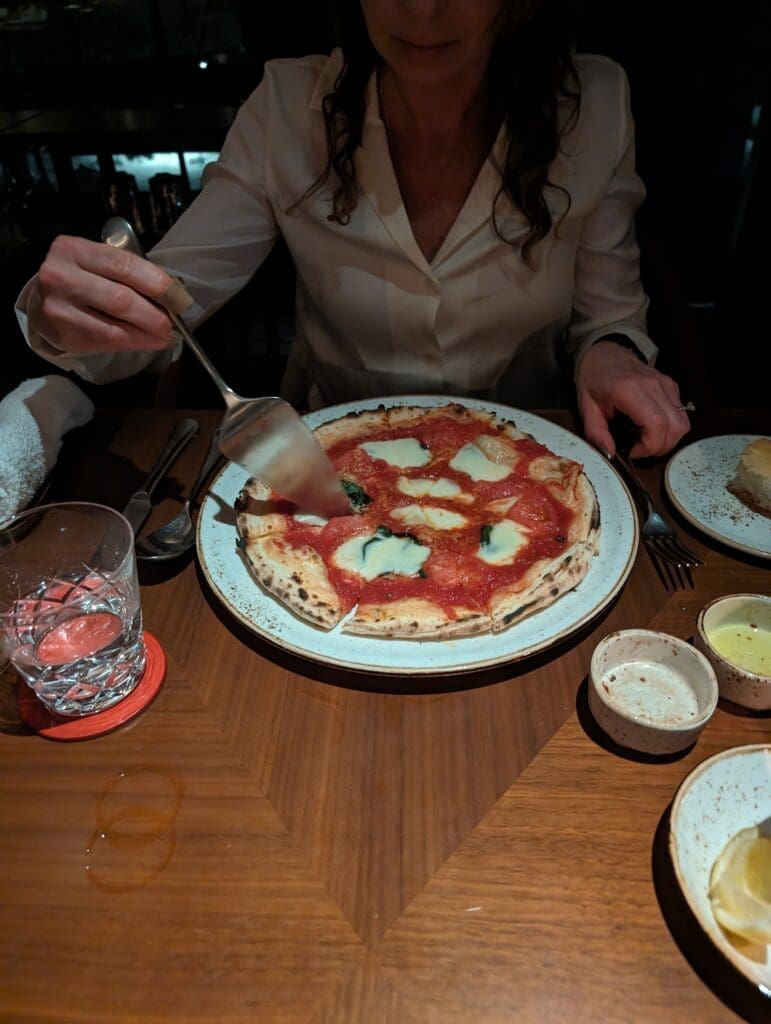
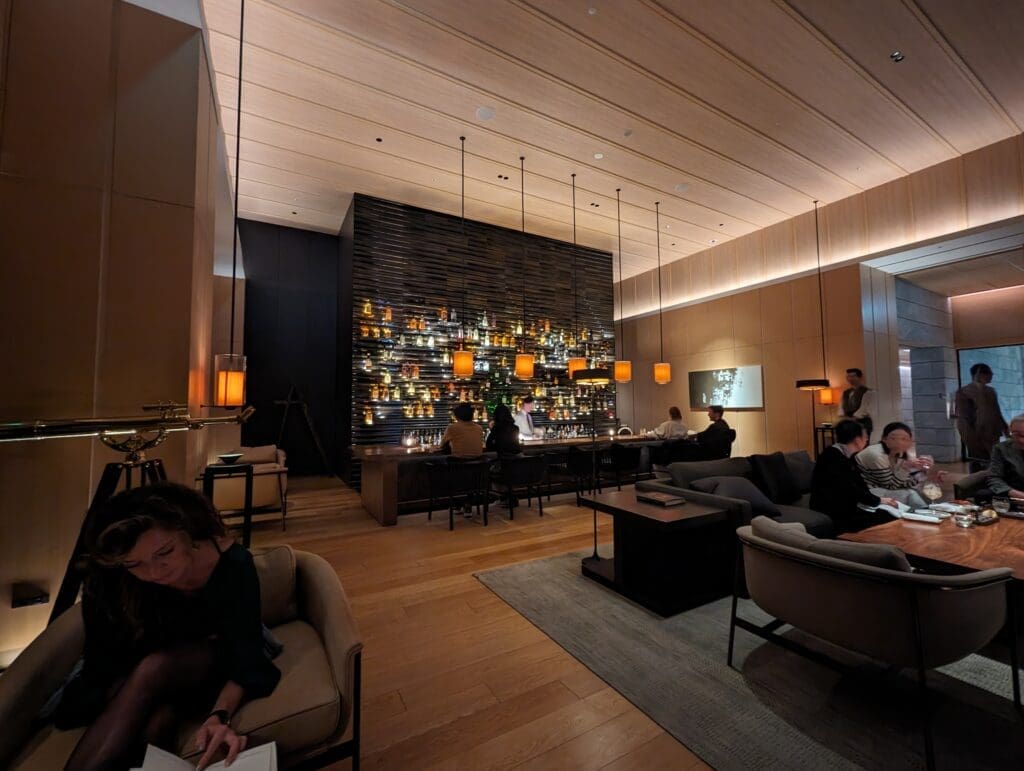
Dining at The Bar was also a fun experience. The room itself is very welcoming – well-spaced and with comforting mood lighting, you feel right at home upon entering. It also wasn’t uncommon to see other guests enjoying drinks in their spa robes (this was actually encouraged upon check-in).
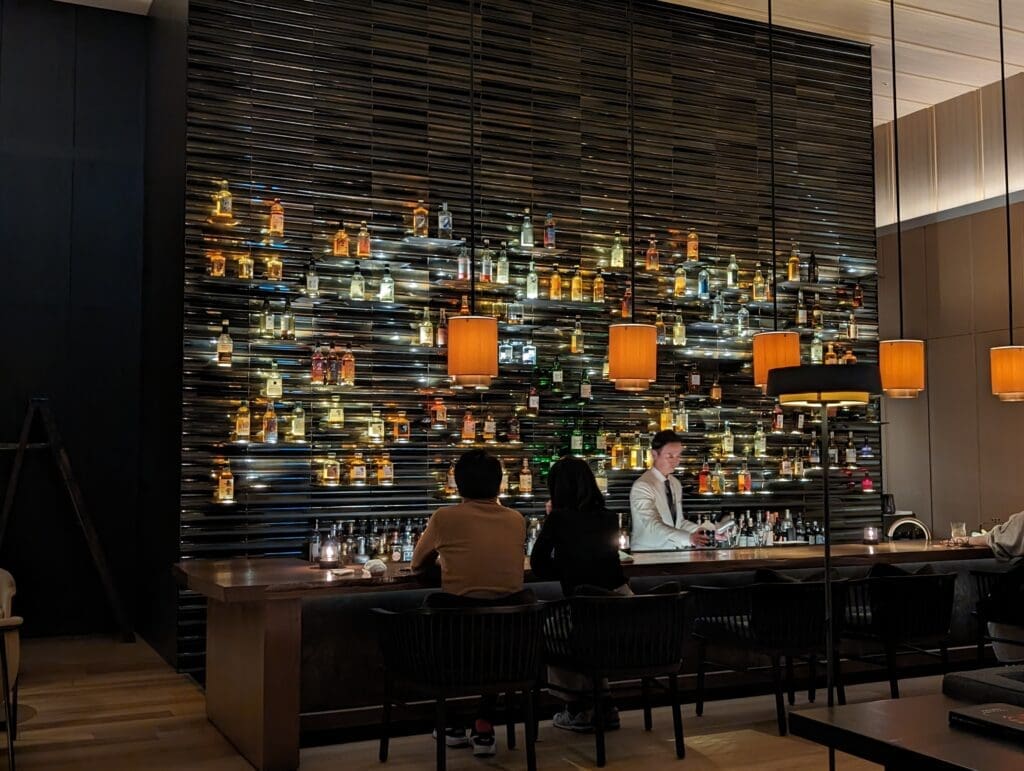
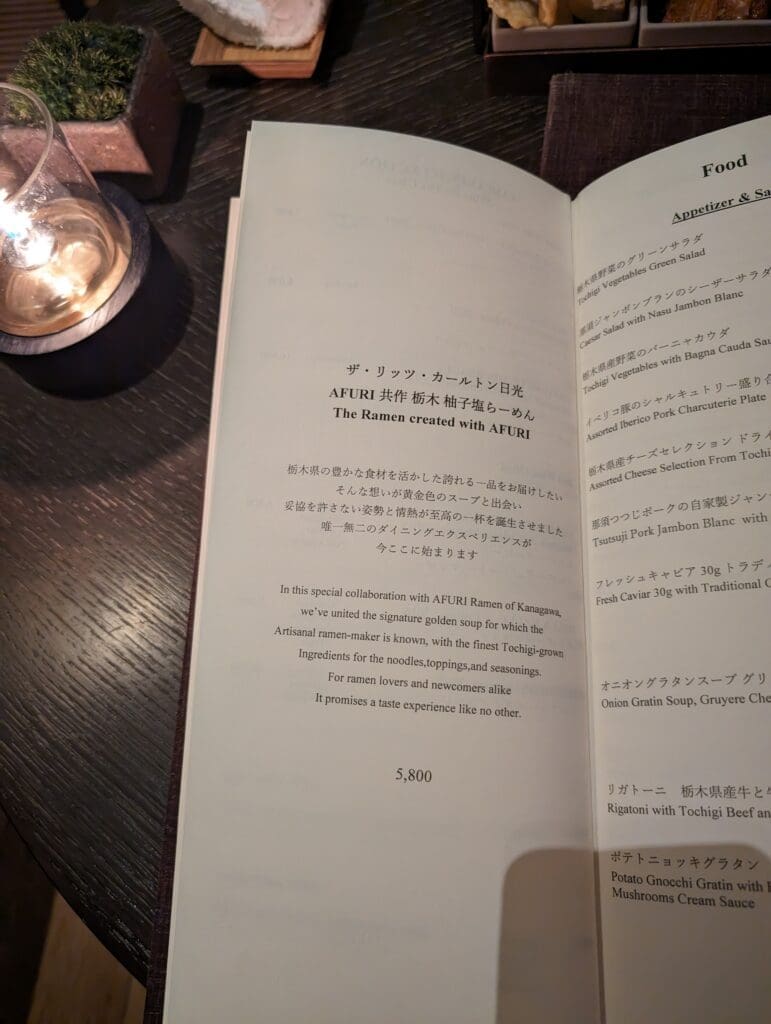
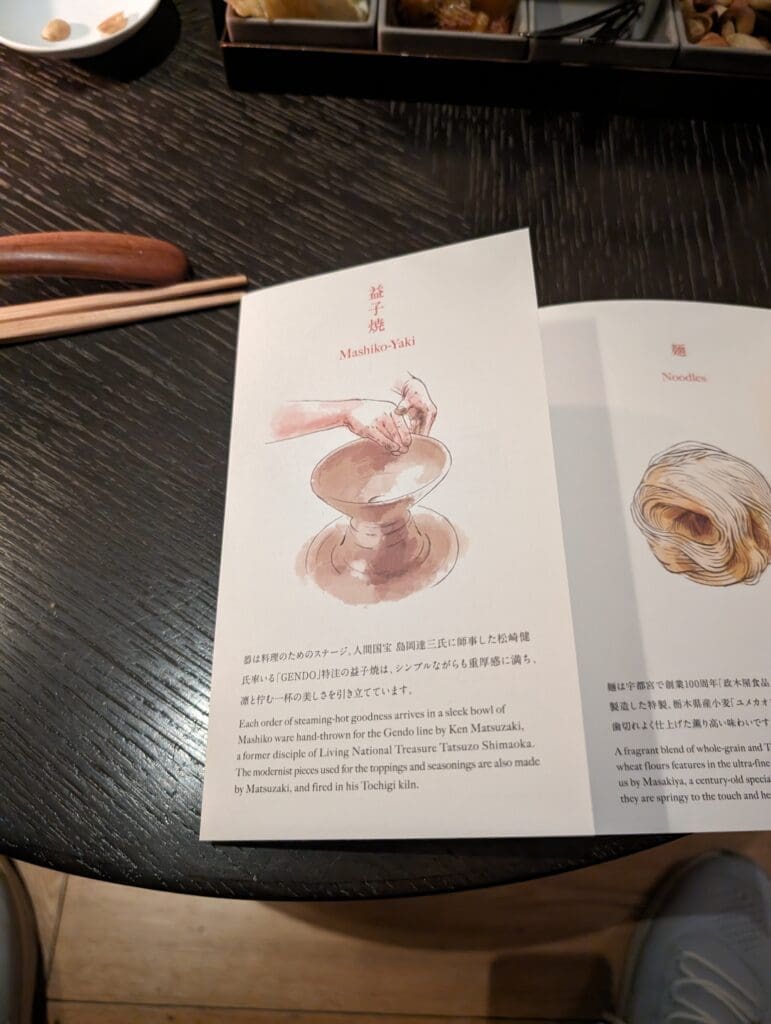
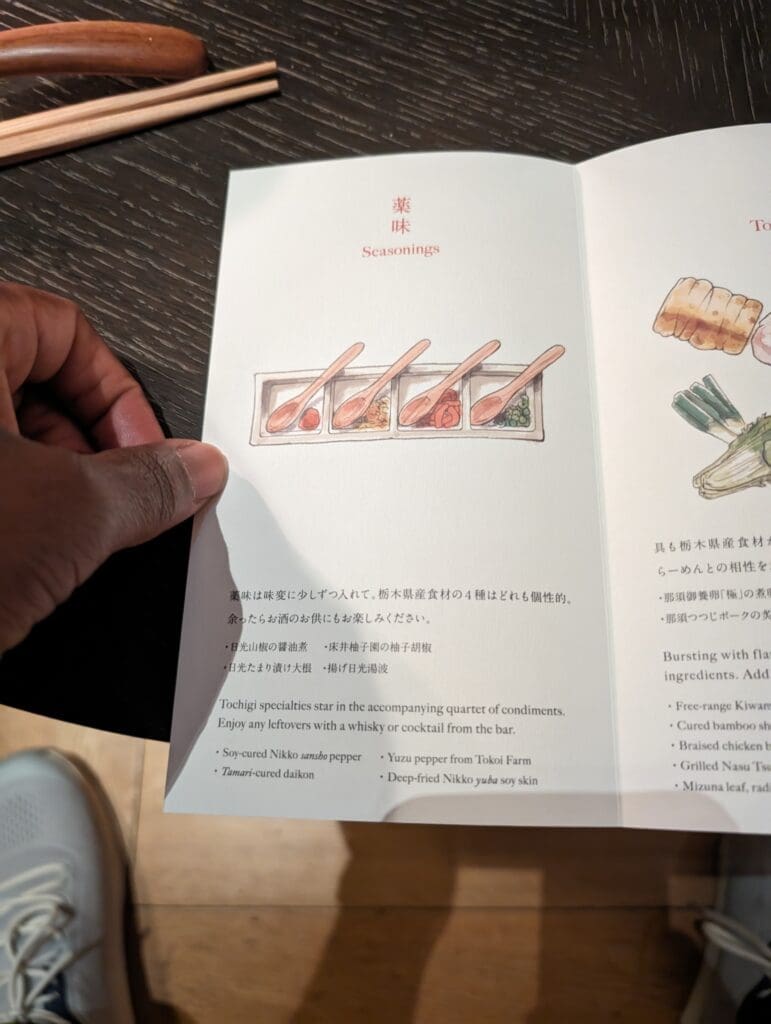
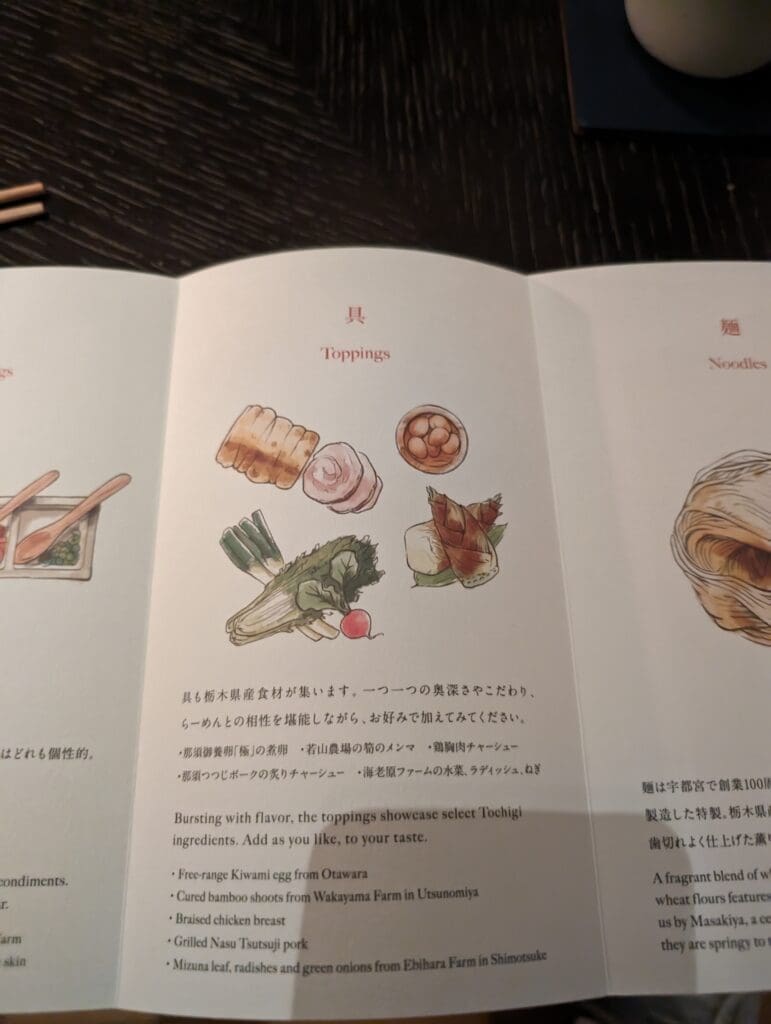
The Ritz-Carlton partners with Tokyo-based Afuri to craft a special ramen exclusively served at The Bar.
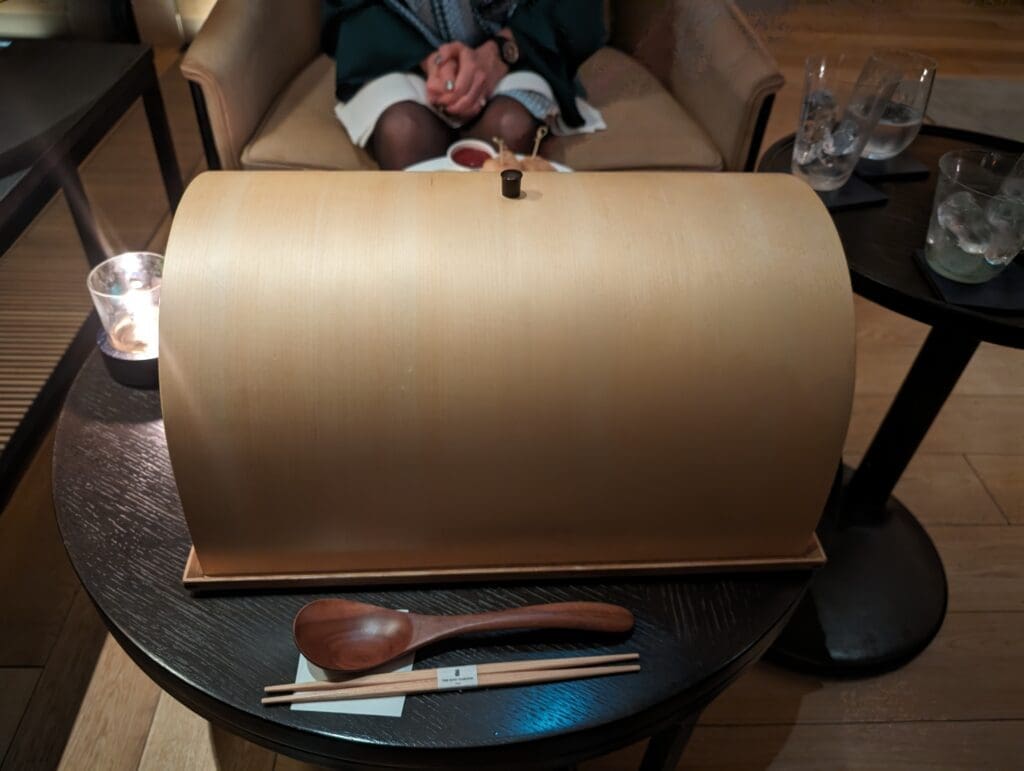
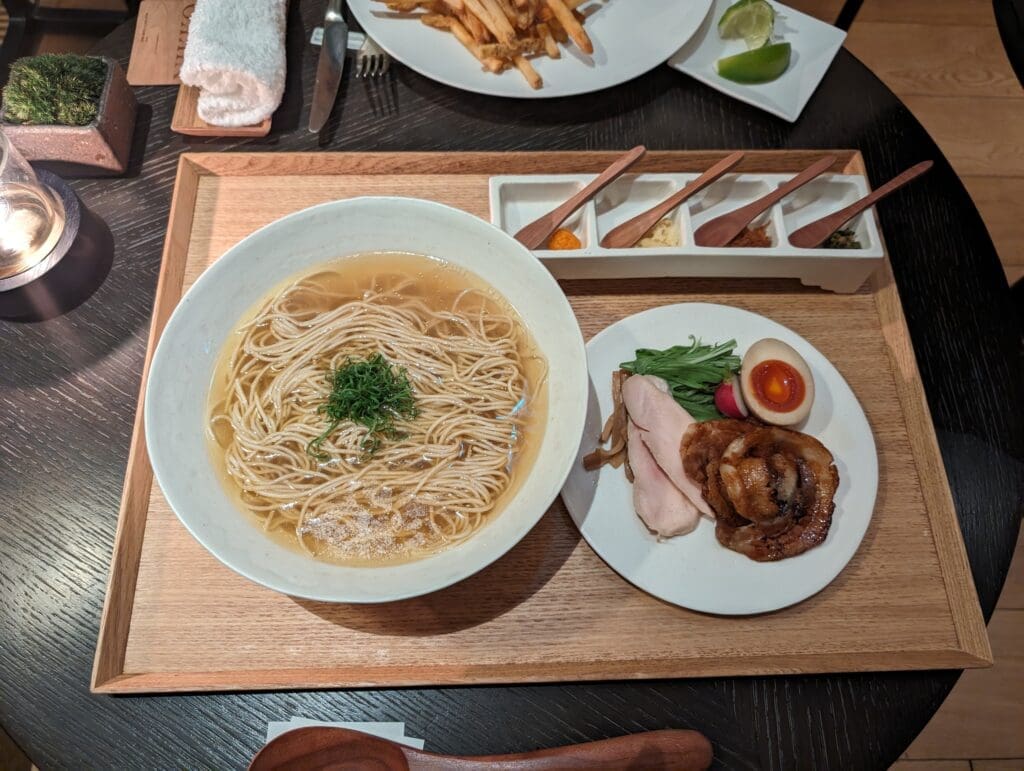
It’s quite a production. It comes to your table in a big bread-box-type-container, and after a great unveiling, your sizable ramen dish sits underneath.
Accompanying it is a detailed walkthrough of Afuri’s process in making the ramen.
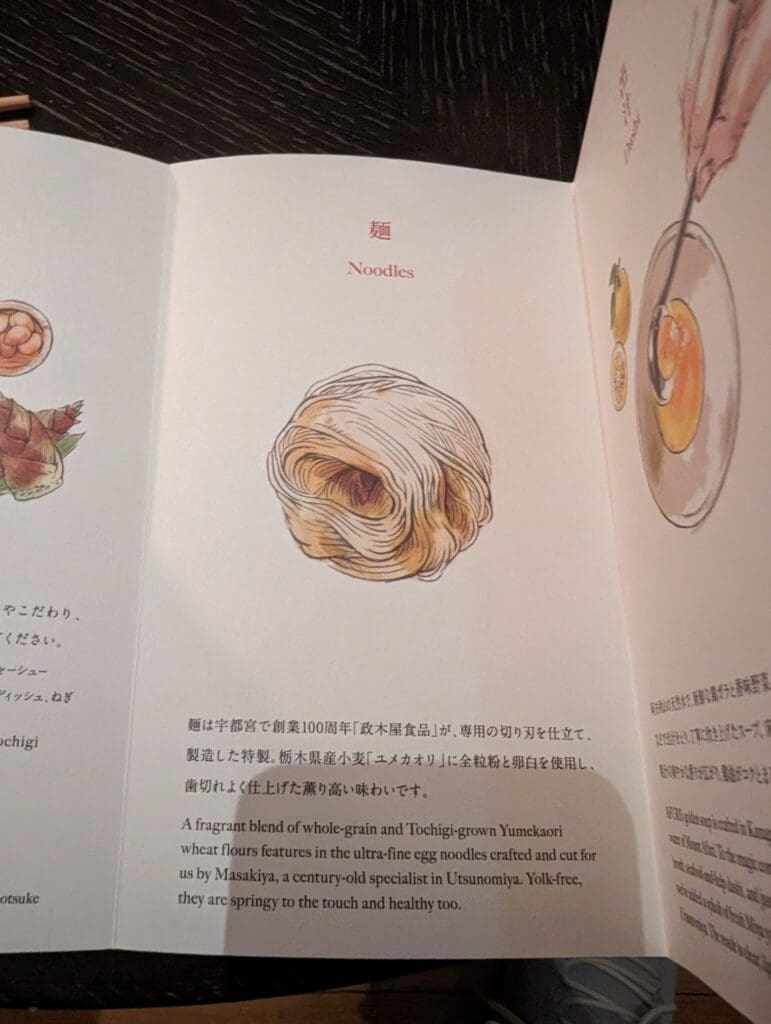
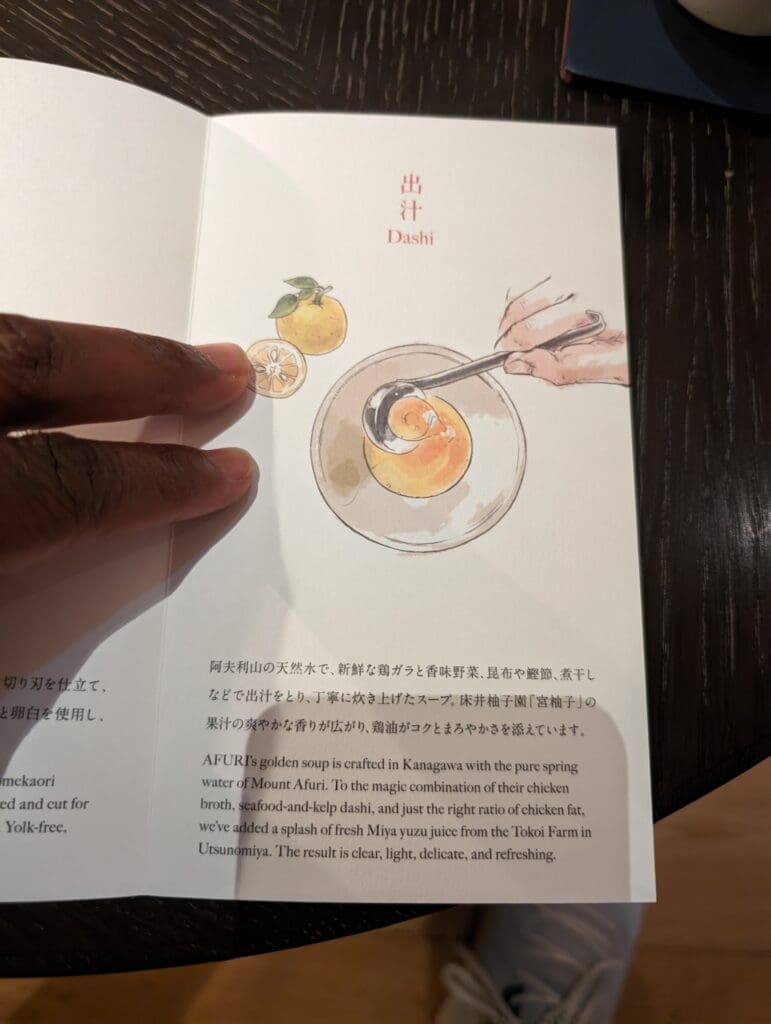
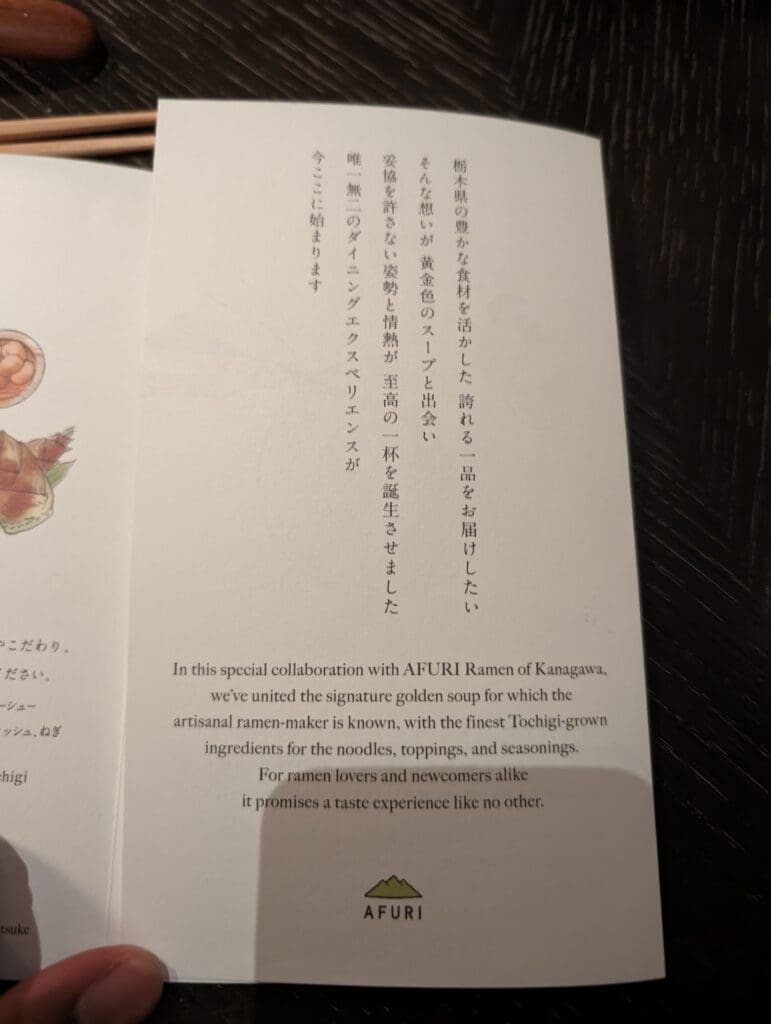
This was solid – again not ‘next-level’ – and maybe a (tiny) bit overrated – particularly with the buildup, and especially if you’ve enjoyed your share of ramen in Japan before. That said, I’m grateful I got to experience it.
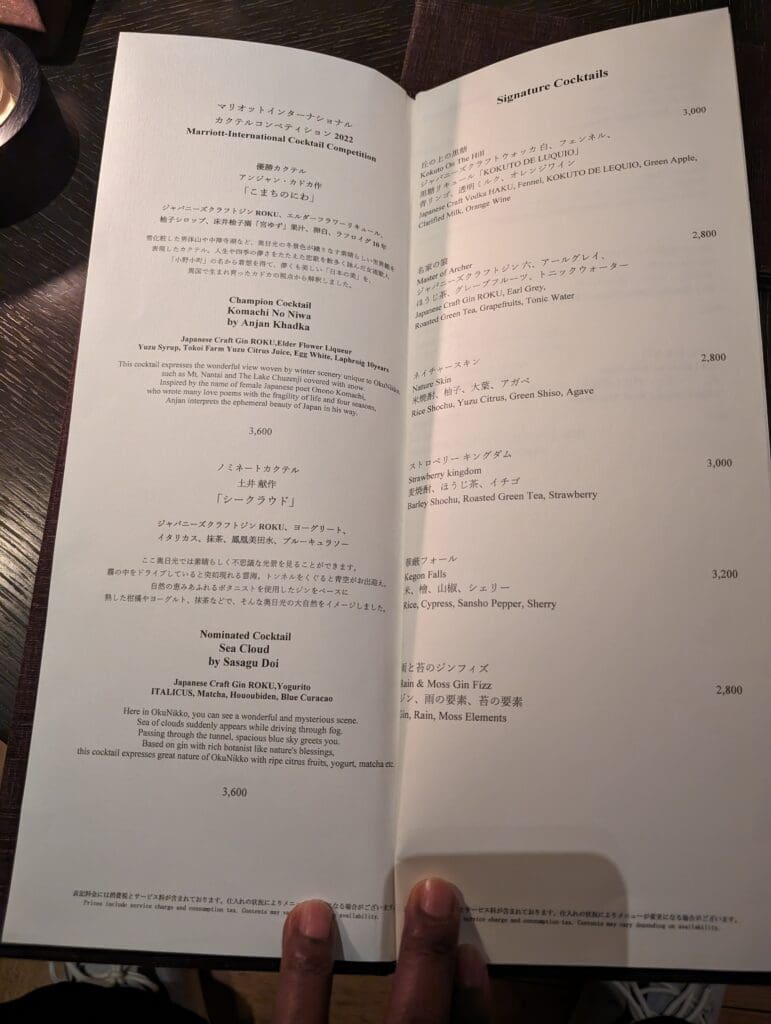
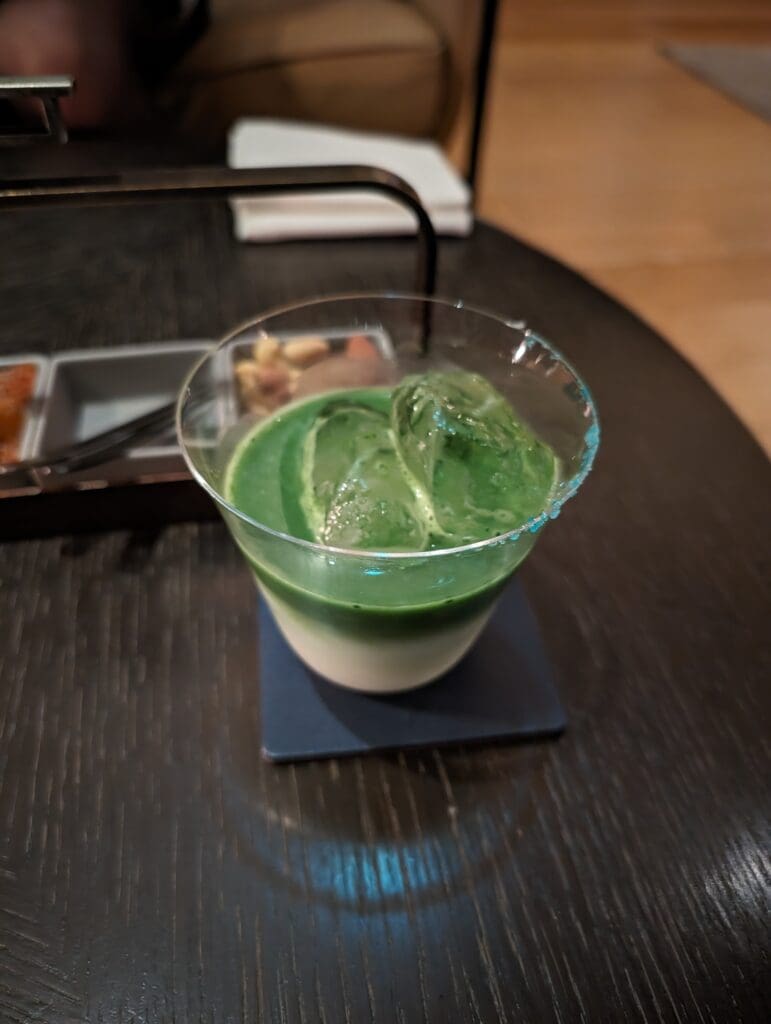
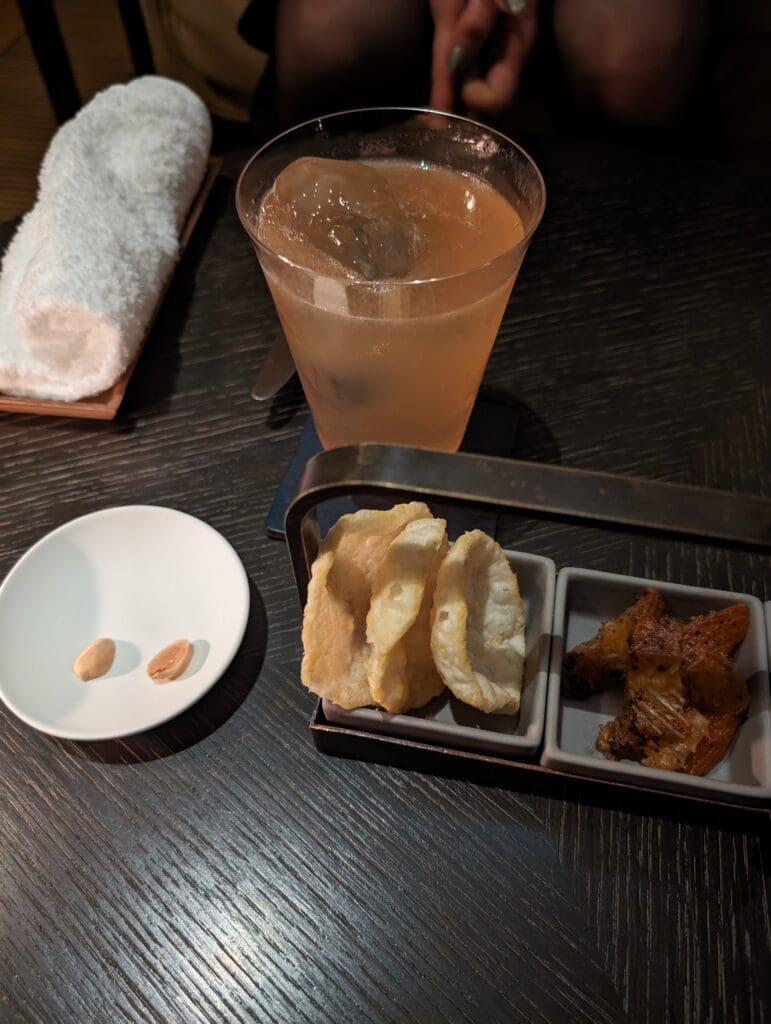
The drinks were phenomenal. I really enjoyed this matcha concoction
Amenities
Onsen
The Ritz-Carlton Nikko isn’t a huge property, but its amenities are stellar – everything is well-maintained and top of the line. Let’s start with the property’s calling card – the Onsen.
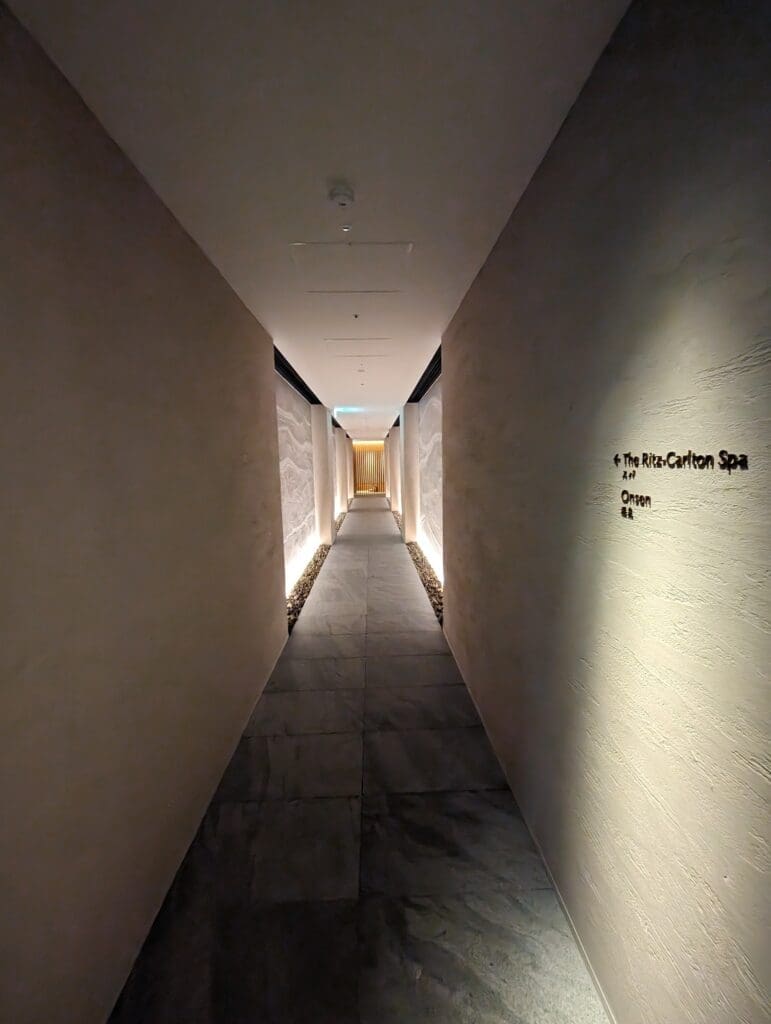
Branded as a Ritz-Carlton Onsen, the relaxing retreat “draws its natural hot spring water directly from Nikko Yumoto Onsen, a renowned magical hot spring destination ever since its discovery more than 1200 years ago.”
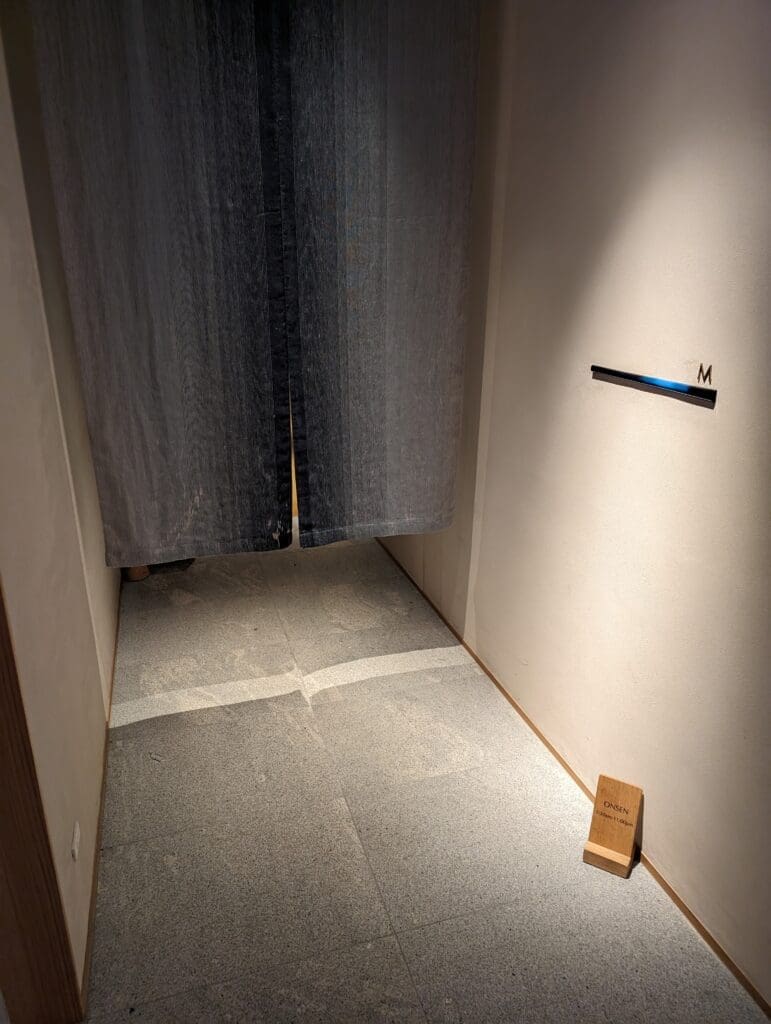
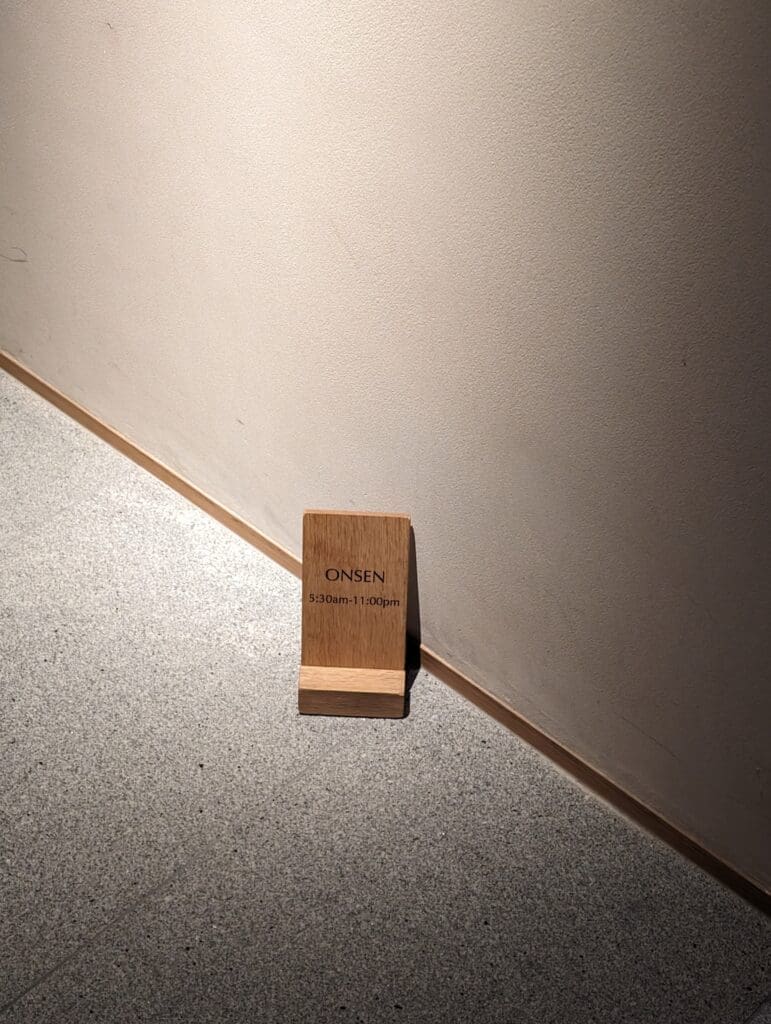
The onsen is accessible through the spa, and is separated by gender – there are separate facilities for women and men. Nudity in the onsen is required. Additionally, if you have tattoos (I didn’t at the time, I do know), I believe I saw signage that suggested you’d be fine, though it’s possible (like some other places in Japan) you may need to cover them up. Given that 1) aim for serenity and 2) nudity – you aren’t allowed to bring phones or cameras into the onsen facility, so I can only get you down the long dramatic hallway and don’t have photos or video of the inside to showcase.
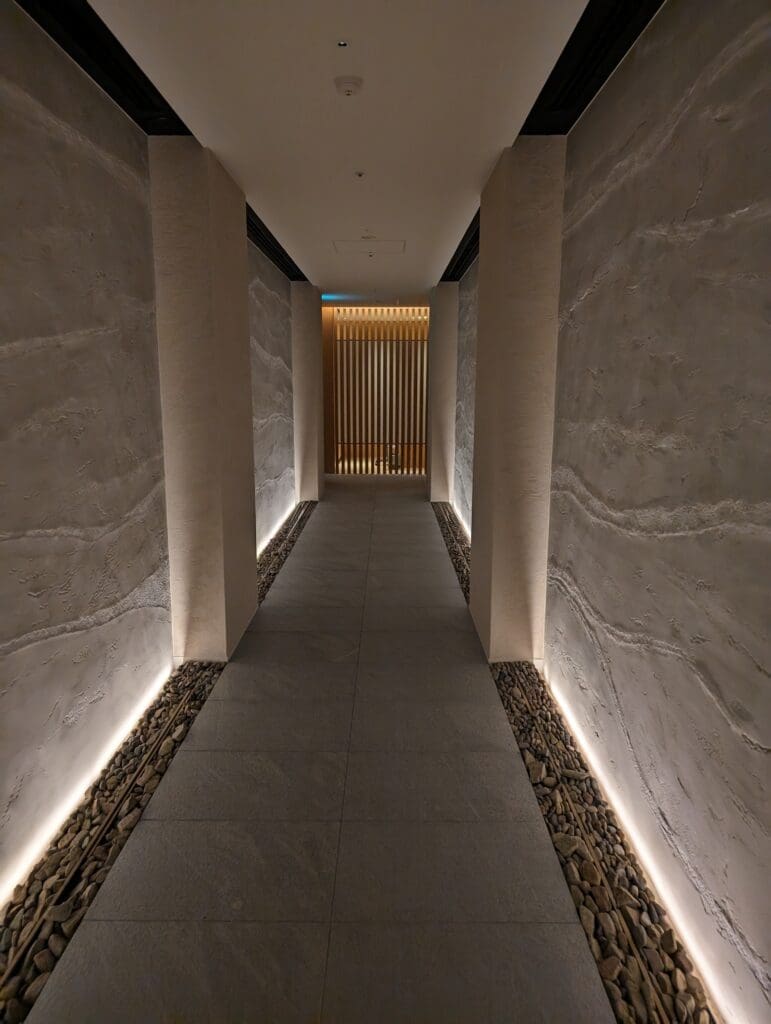
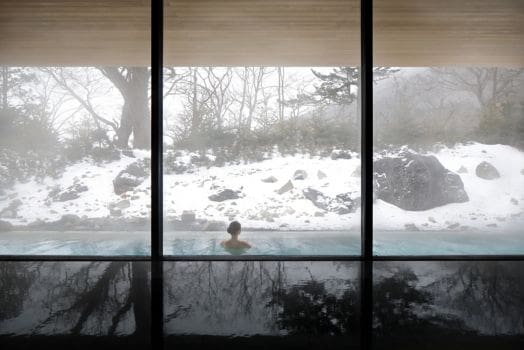
However, the photos from the hotel’s website do a good job of showcasing one of my favorite parts of the onsen – the outdoor bath. It was really great to immerse deep in a warm thermal bath while wading outside watching the snowfall in freezing temperatures.
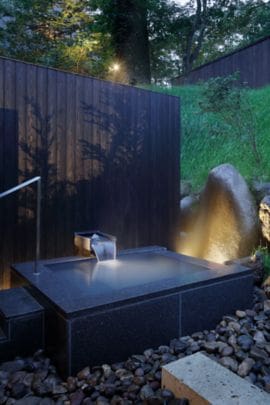
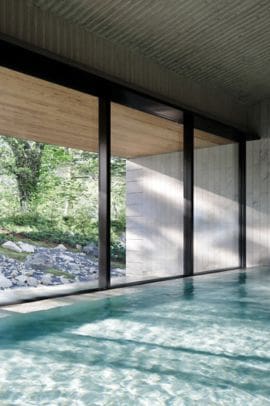
Elsewhere in the onsen, you’ll find an indoor thermal spring, as well as a cold plunge. There are seated shower stalls, as well as both a sauna and a steam room.
As mentioned above in the Check-in section, you need to make a reservation via QR code link for the onsen. I believe 10 or so slots are available each hour, and the onsen is open from 5:30am to 11pm. Rarely was it full during my visit, though if you value solitude, there was never anyone there early in the morning and late at night.
We spent a lot of time in the onsen during our stay – I visited 3 times each day and thoroughly enjoyed the experience. The waters really do feel healing.
Fitness Center
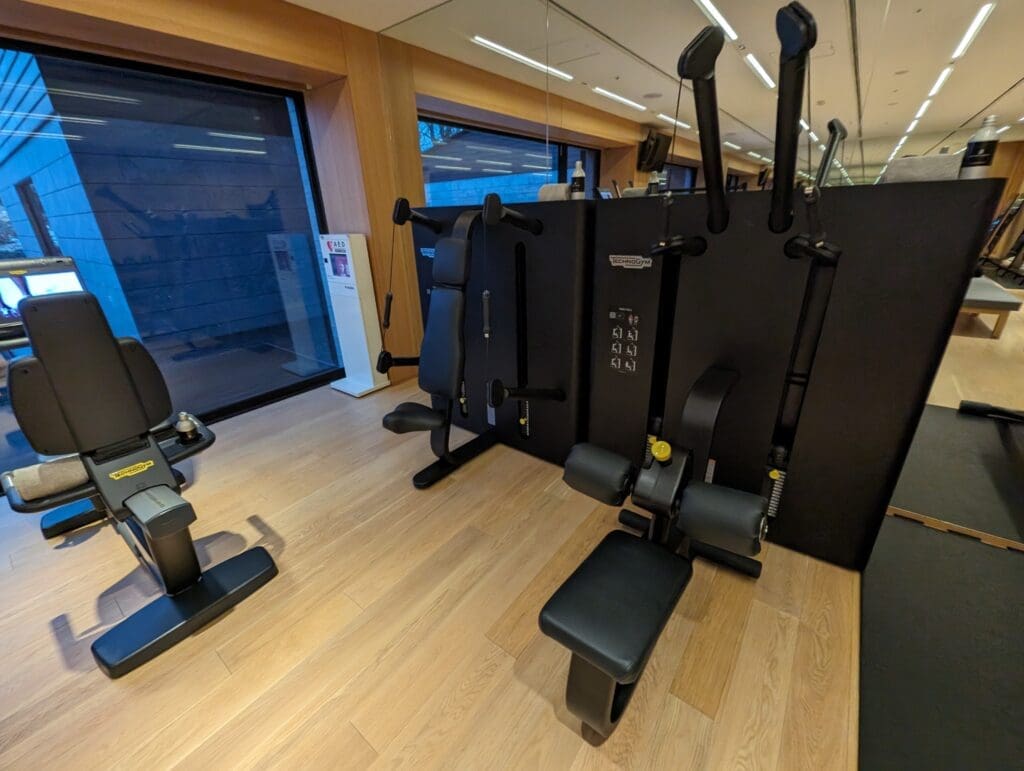
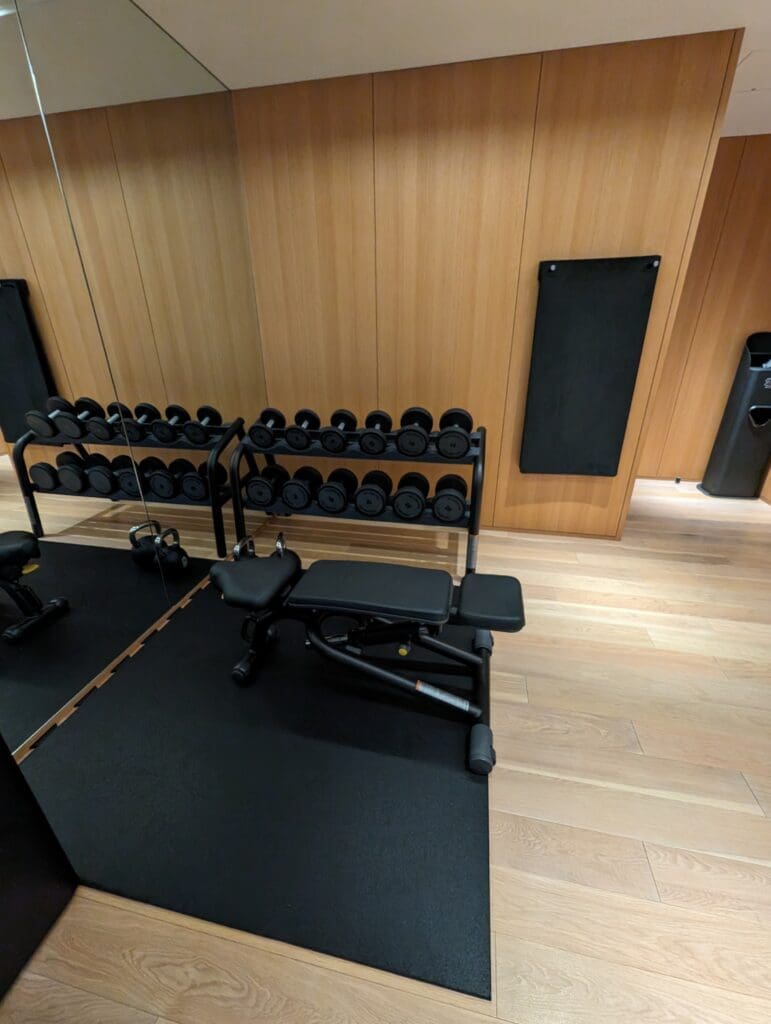
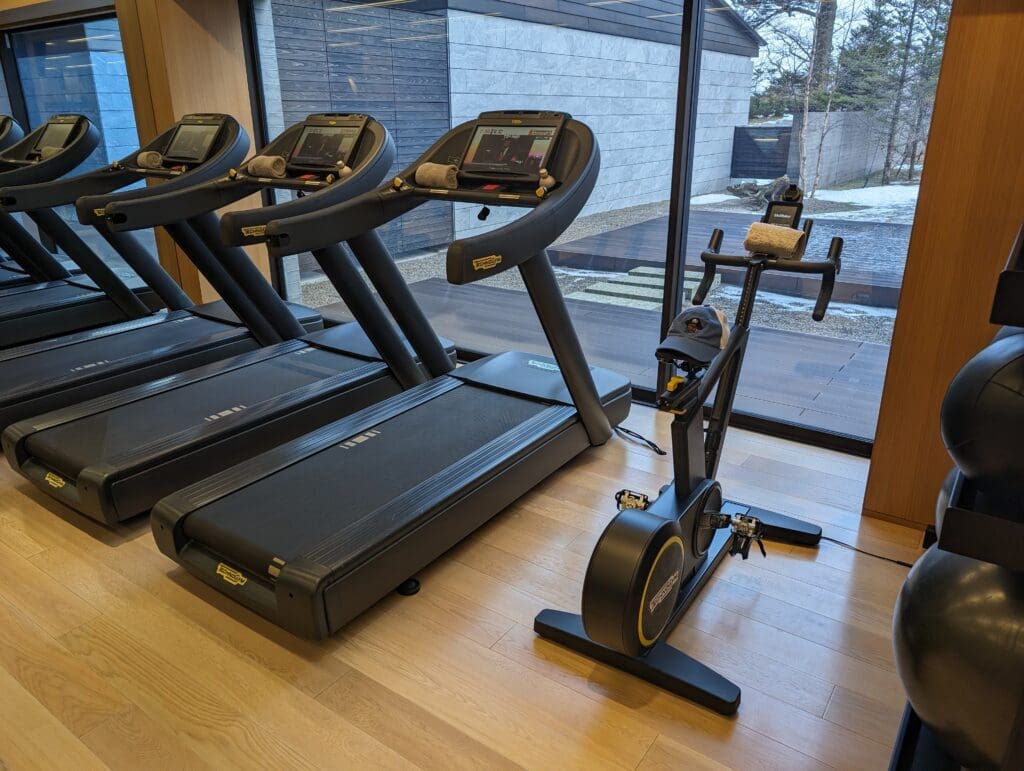
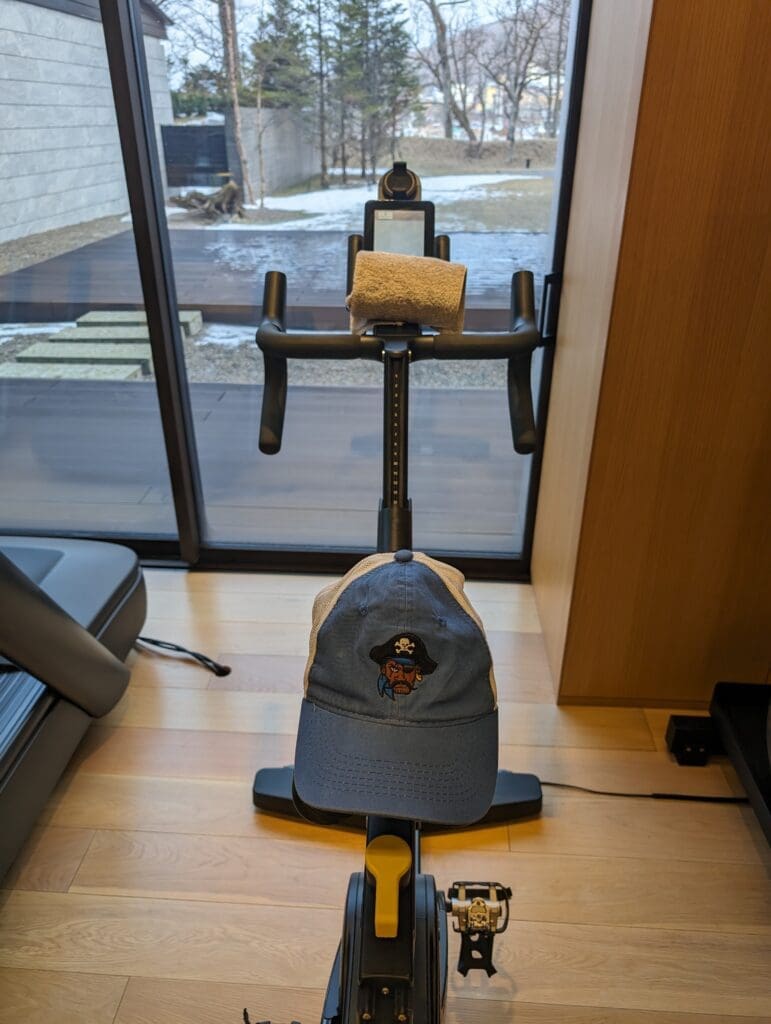
The hotel’s fitness center isn’t huge, but it’s got everything you need to get a sweat going.
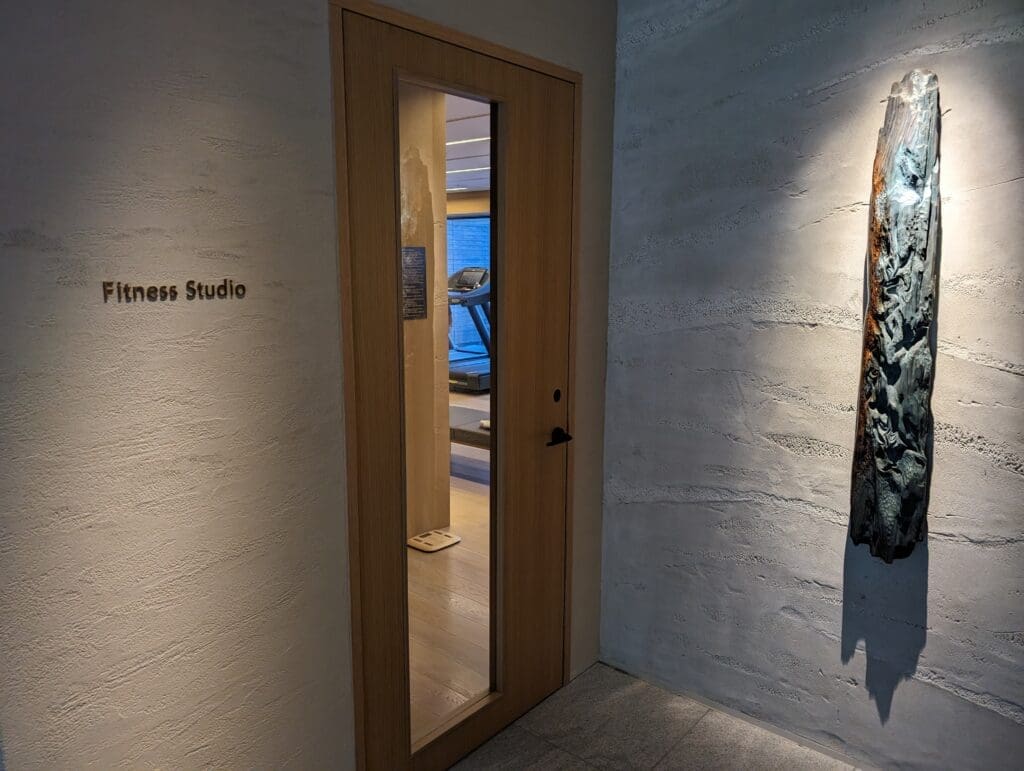
Most of the machines are TechnoGym – a few treadmills, maybe an elliptical or two, and there’s a Peloton (if that’s your jam), Free weights, and a Tonal-like contraption on the wall (though I don’t believe it was the Tonal brand) where you could follow along with live or recorded workouts.
Activities
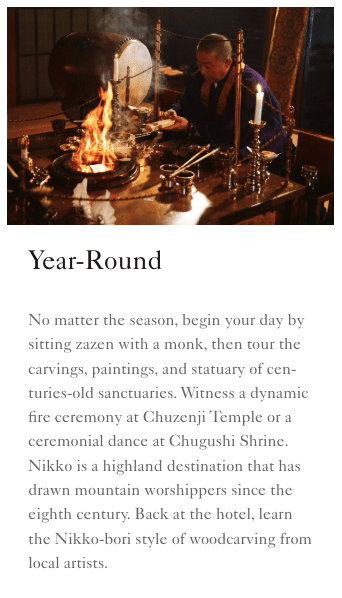
One of the unique experiences at the Ritz-Carlton Nikko is that there’s a daily guided meditation – allowing you to begin your day sitting zazen with a monk from the nearby Chuzenji Godaido Buddhist Shrine. This was an awesome experience, though I was woefully unprepared for holding the zazen posture for the length of the meditation. Availble to all guest of the hotel, this was one of the strongest complimentary amenities I’ve enjoyed at any Ritz property.
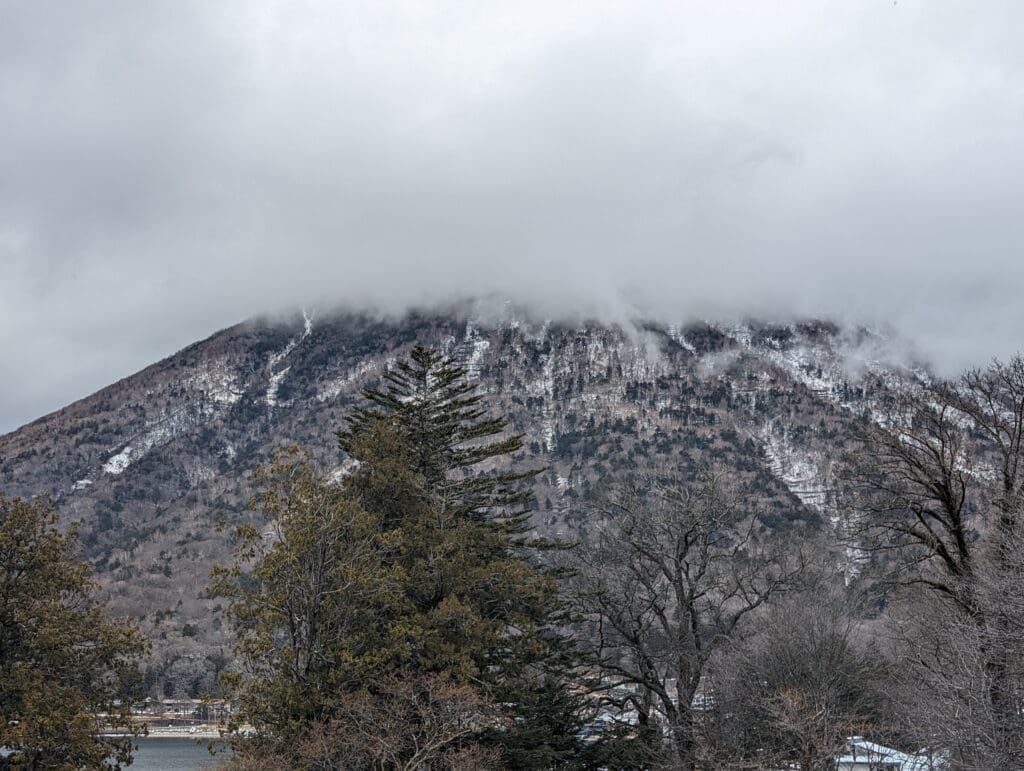
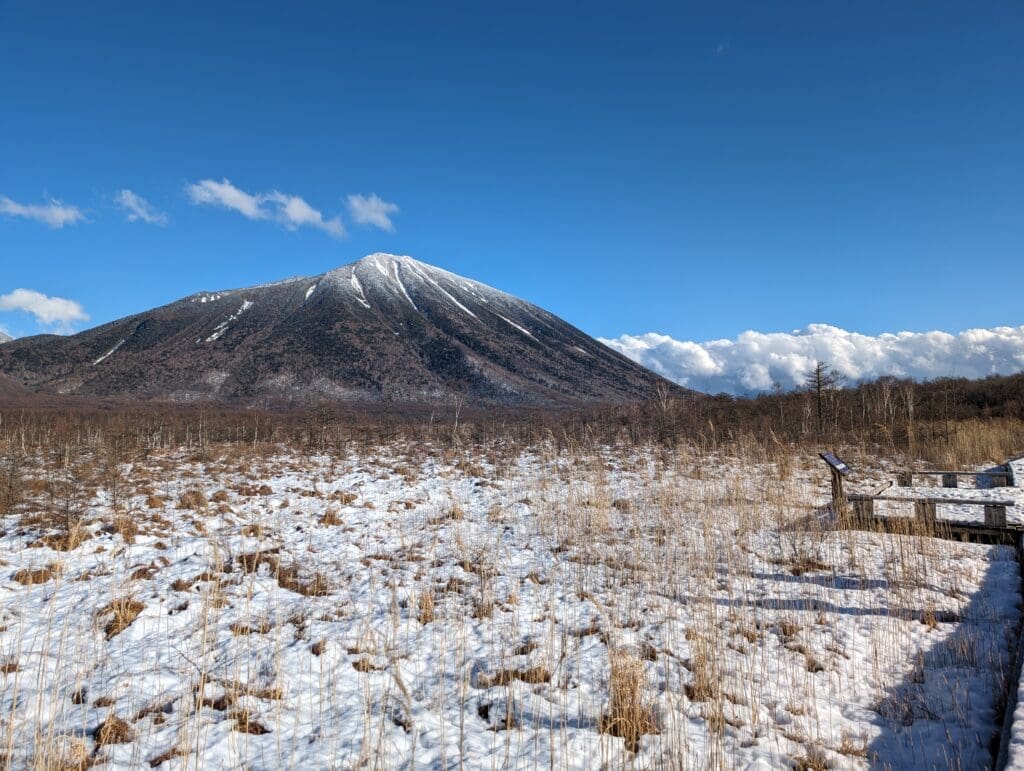
Since we visited in January (low season and winter), several of the traditional lakeside activities weren’t available. No boating, fishing, or biking. Though there’s great hiking in the area, most of the trails were closed during the time we visited. One available activity was a ‘nature walk’ and we opted for that one day. During many months of the year, you can also climb up the nearby mountain peak (there are stairs and it takes roughly eight hours round trip), but this was closed off due to the heavy fog that accumulates during the winter months.
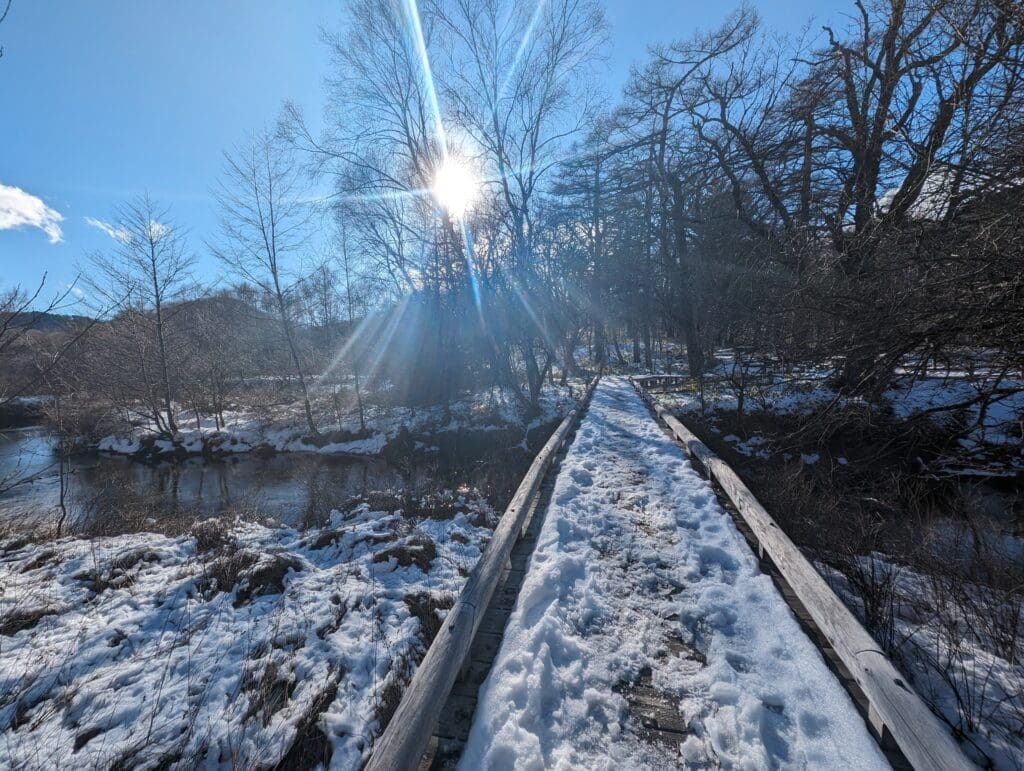
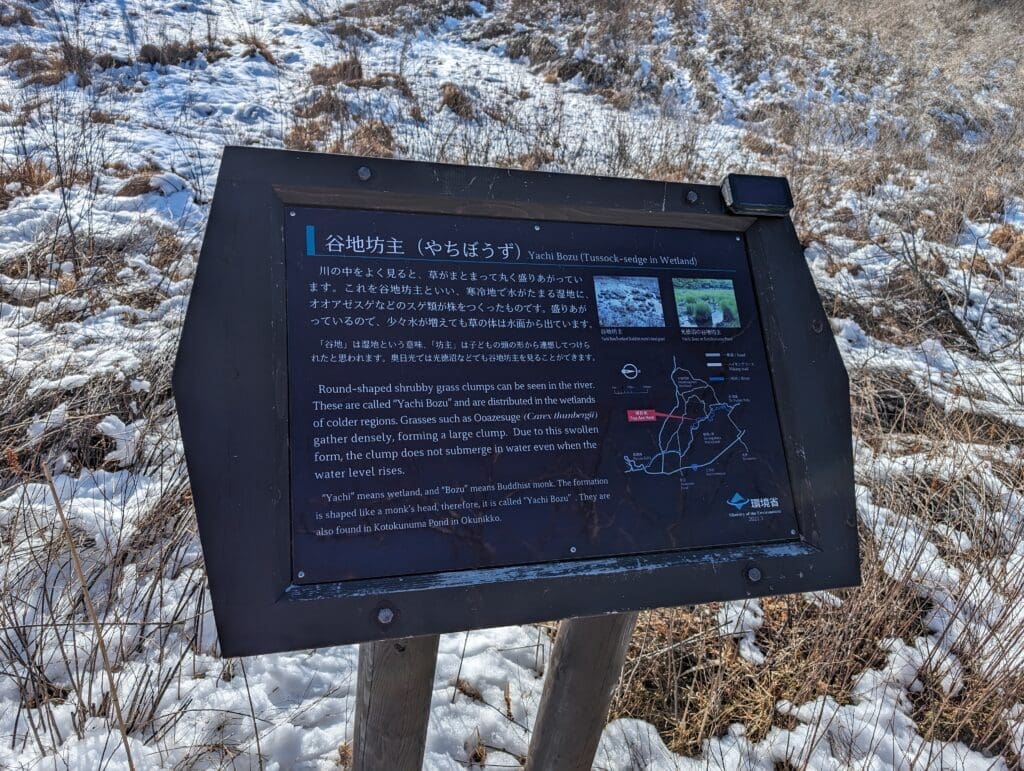
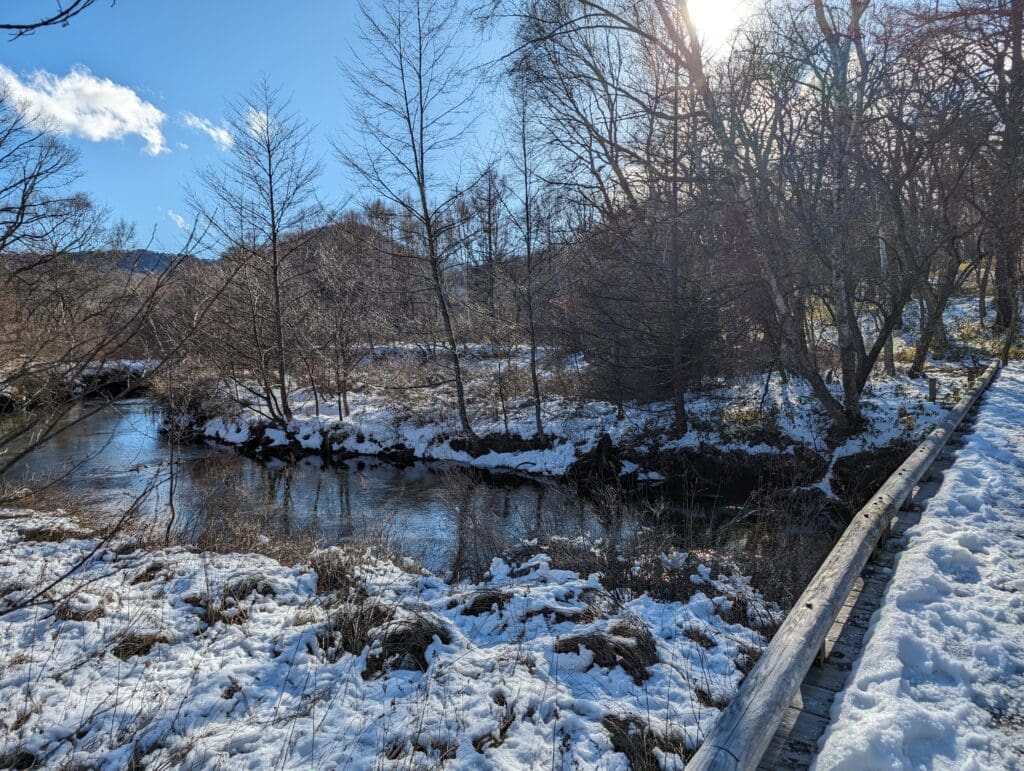
Our nature walk was an awesome experience. Led by Abigail, we were whisked away to the trailhead and walked through a forest into an open meadow where we learned some of the spiritual stories behind how the various mountain peaks in the area were formed. Abigail was a great tour guide, sharing insights into the various flora and fauna along the trail, and I noticed she was walking arosund with quite a solid high-powered camera. She offered to take our photos and send them to us, and we obliged.
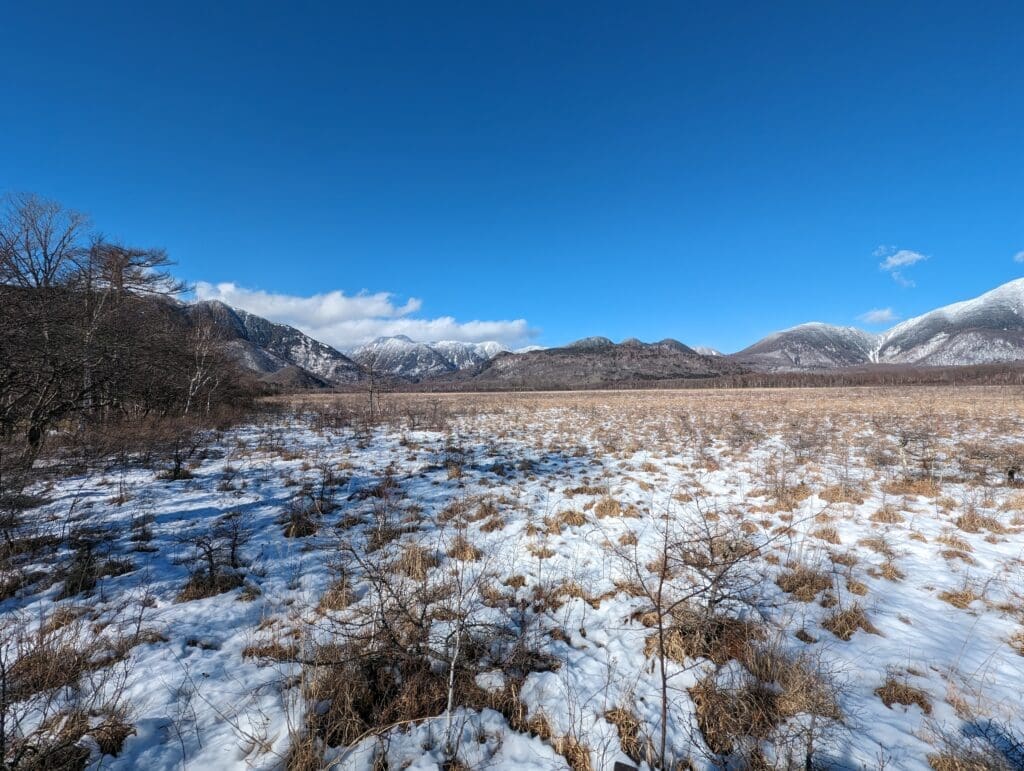
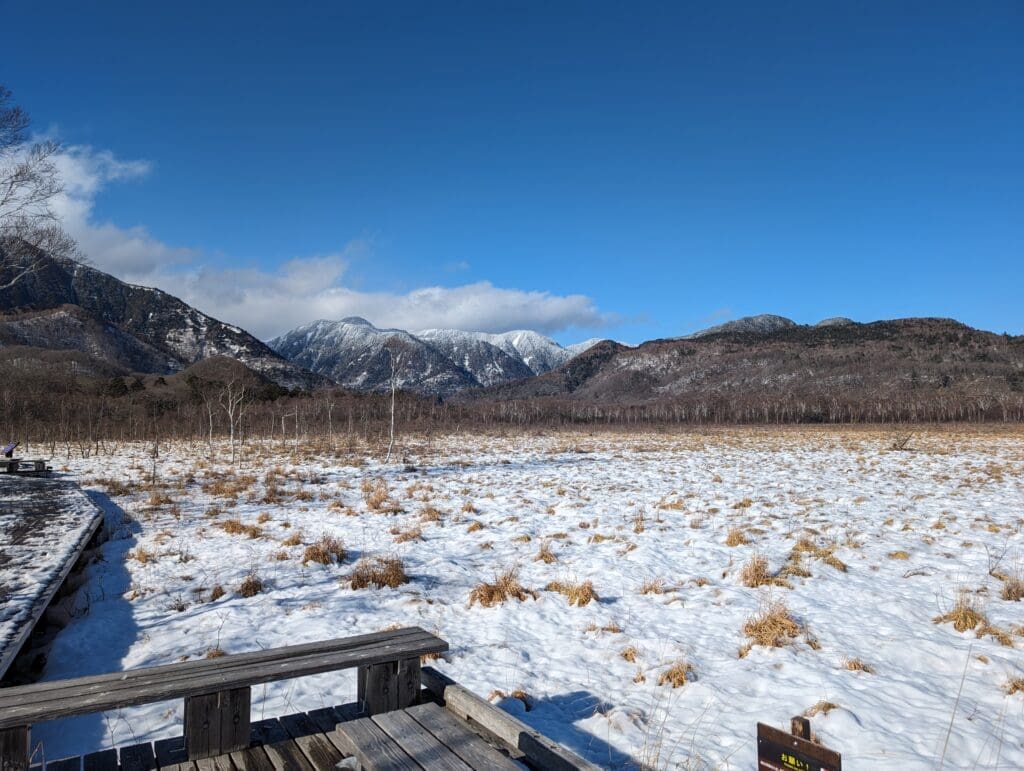

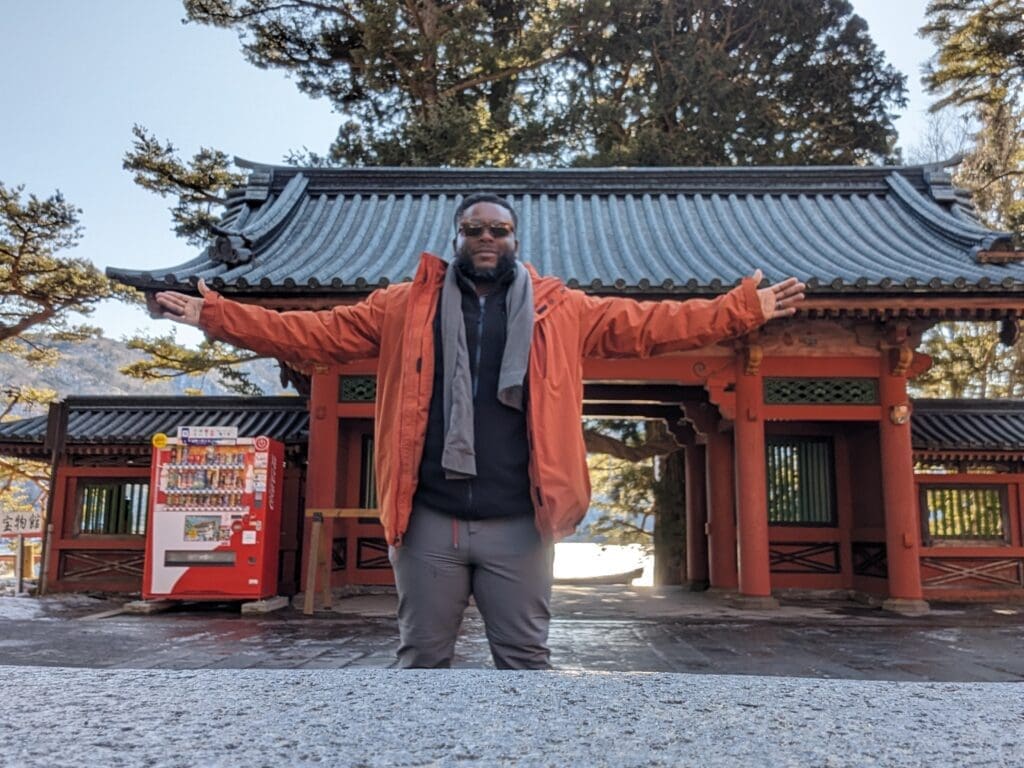
We also took a guided tour of the nearby Chuzenji Godaido Buddhist Shrine – the same temple from which the monk who guided our meditation resides. This was another dope experience. The temple is a culturally significant one, particularly for those in search of ‘good luck’. Evidently, it’s popular amongst businesspeople who are hoping to close a big deal.
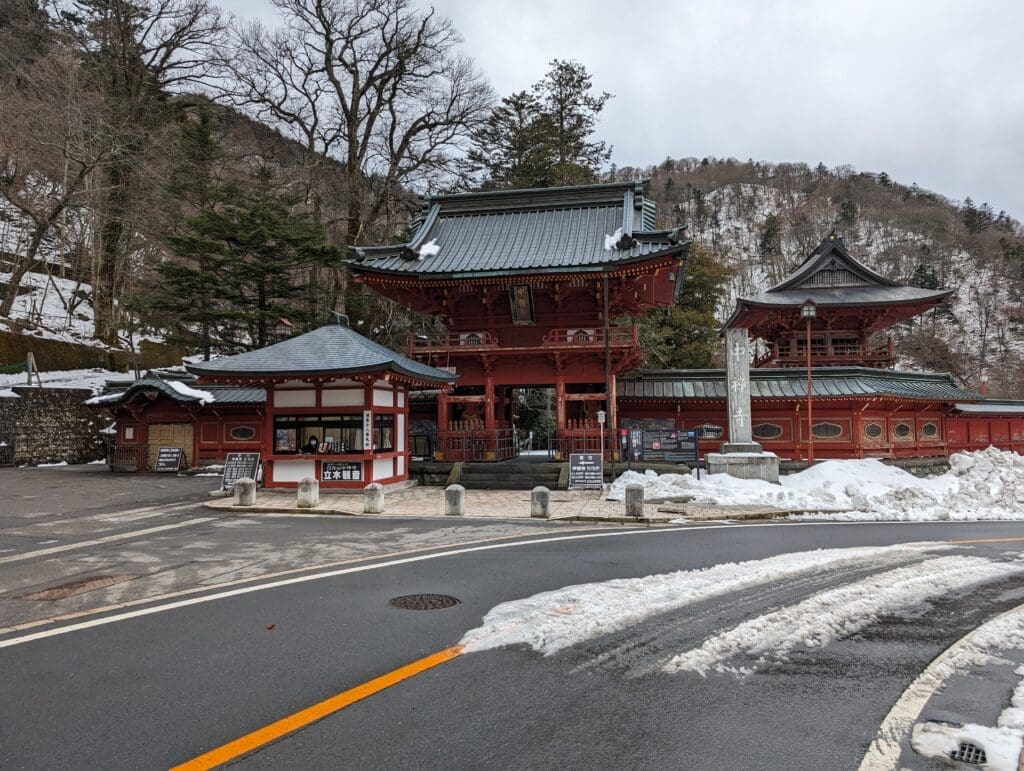
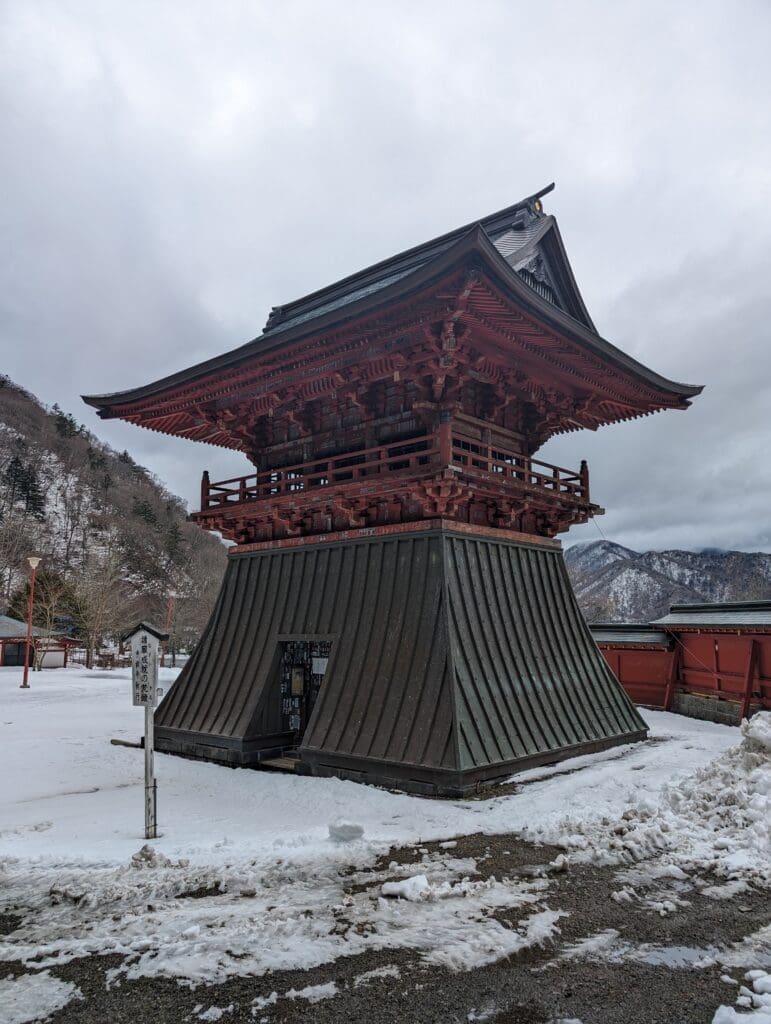
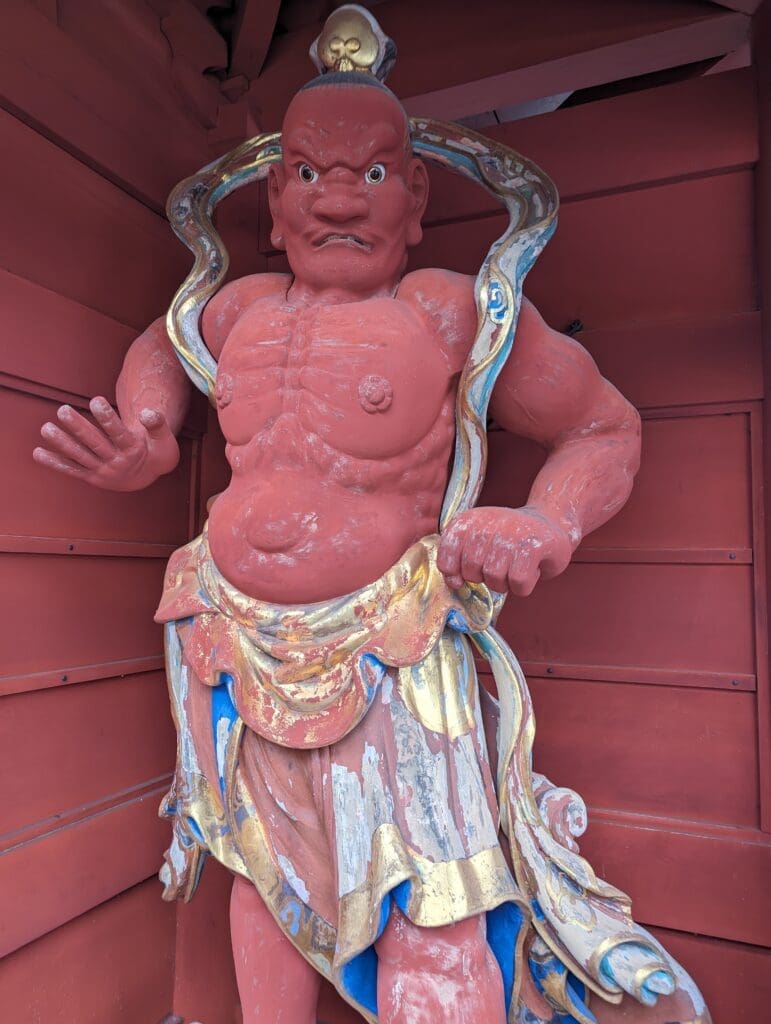
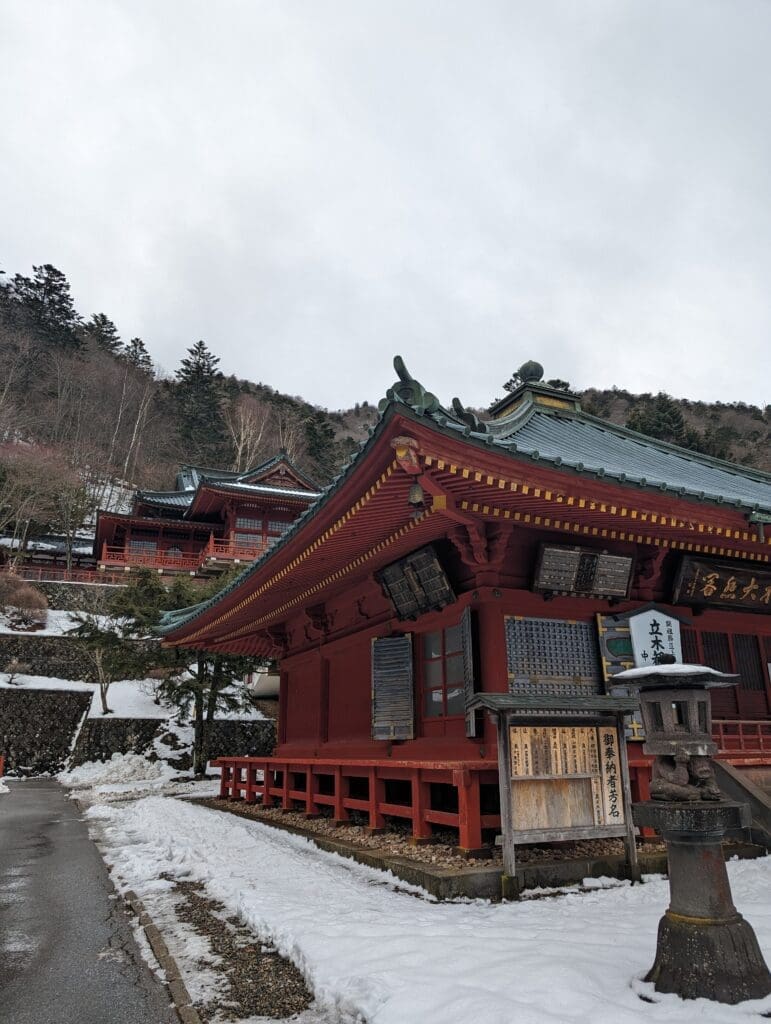
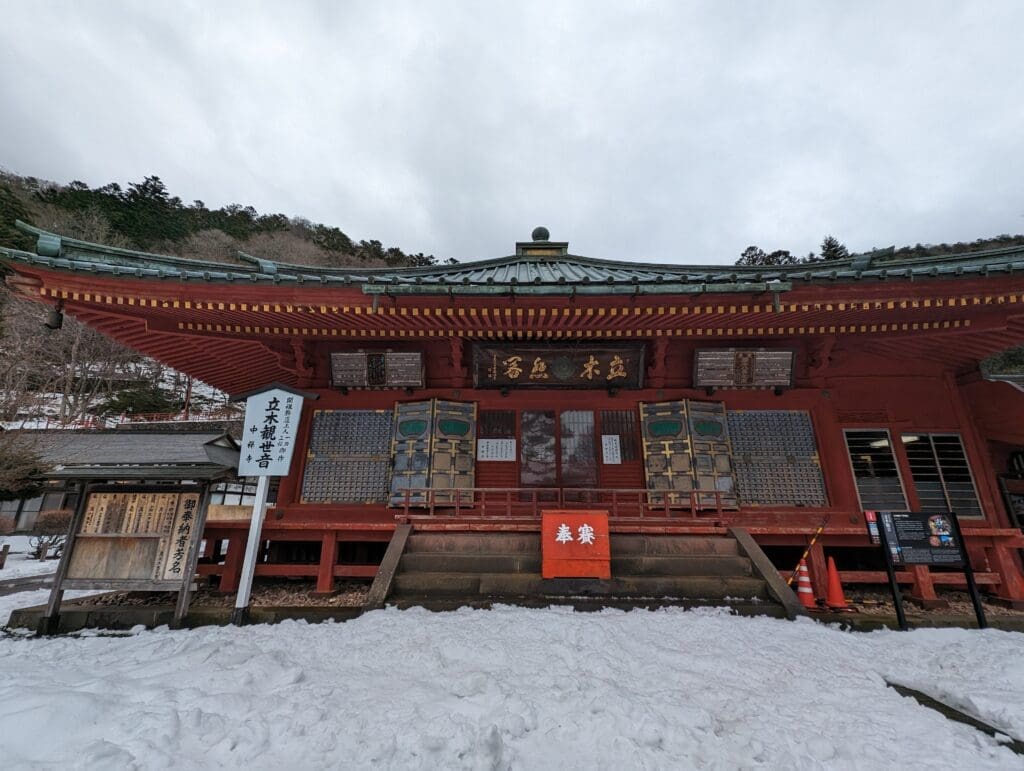
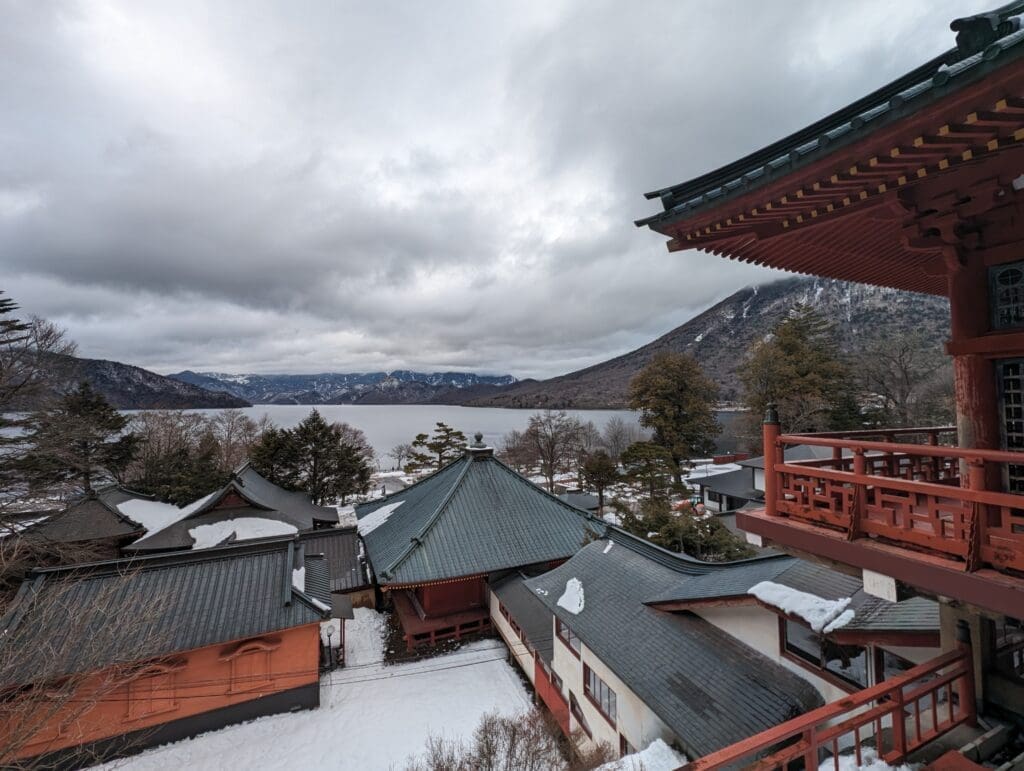
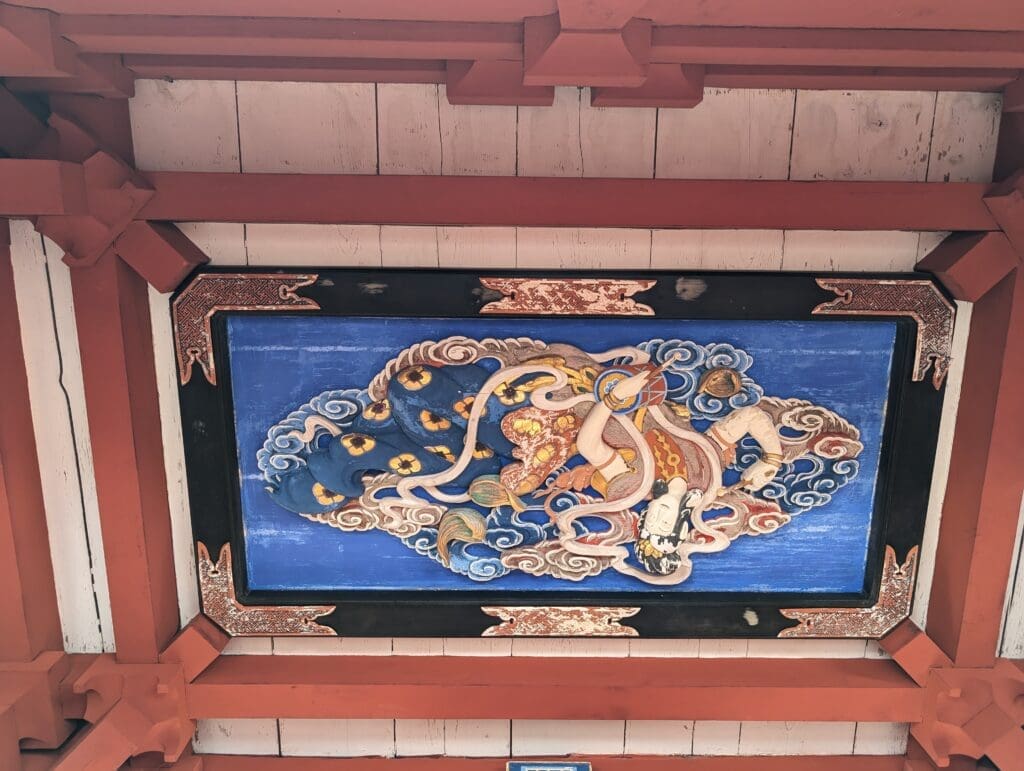
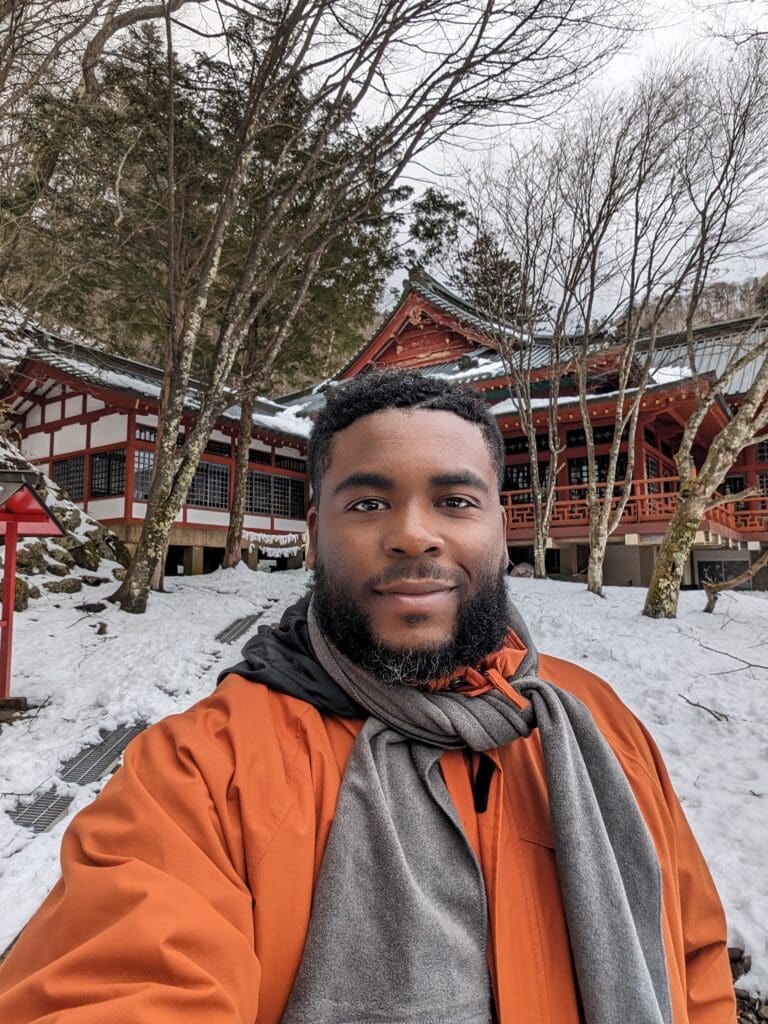
Just like the guest room, views from the temple were stunning.
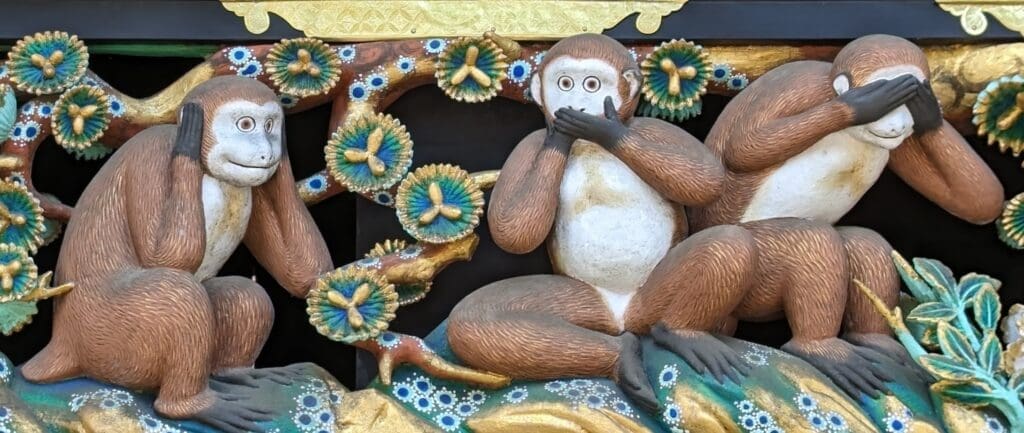
Finally, there’s another famous shrine – Shinkyūsha or “Sanzaru, Three Monkeys”, famous for the proverb “See no evil, hear no evil, speak no evil.”
Surrounding Area
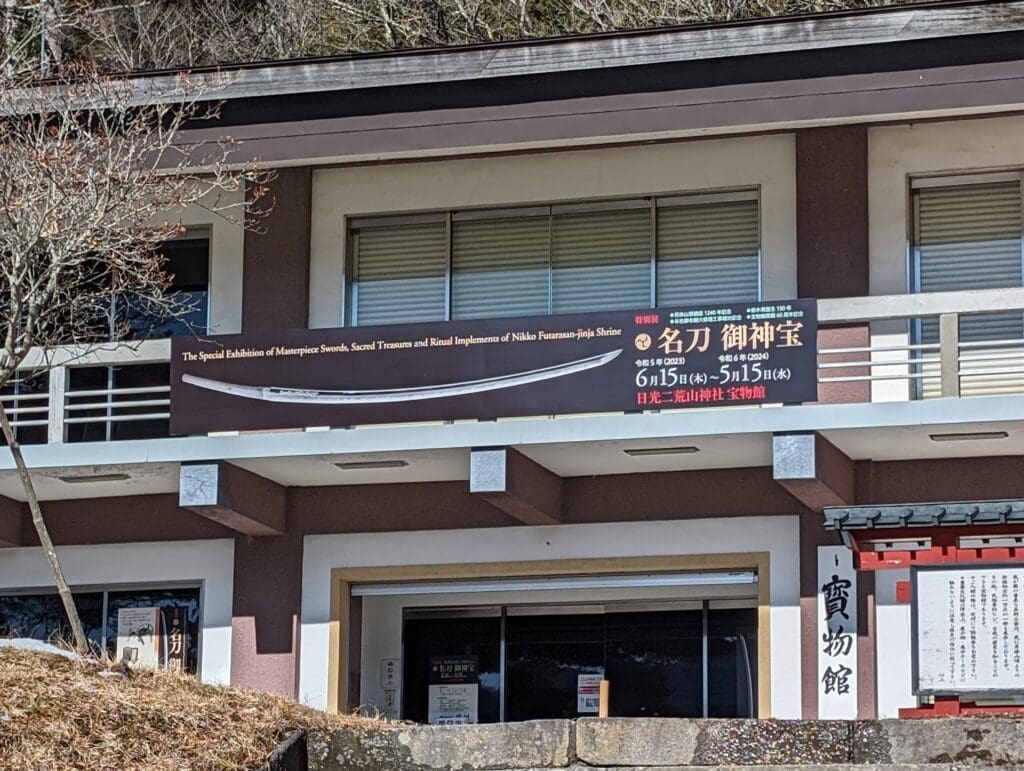
Just across the street from the hotel is Lake Chūzenji, the centerpiece of the area. The main road in the area runs along the north side of the lake, and it’s up and down this road that you’ll find most of the ‘town’, including the Nikko Futarasan Shrine, which holds the Nenekirimaru, a ceremonial tachi (long sword) with a total length over 3.2 meters, said to be the longest blade in the country.
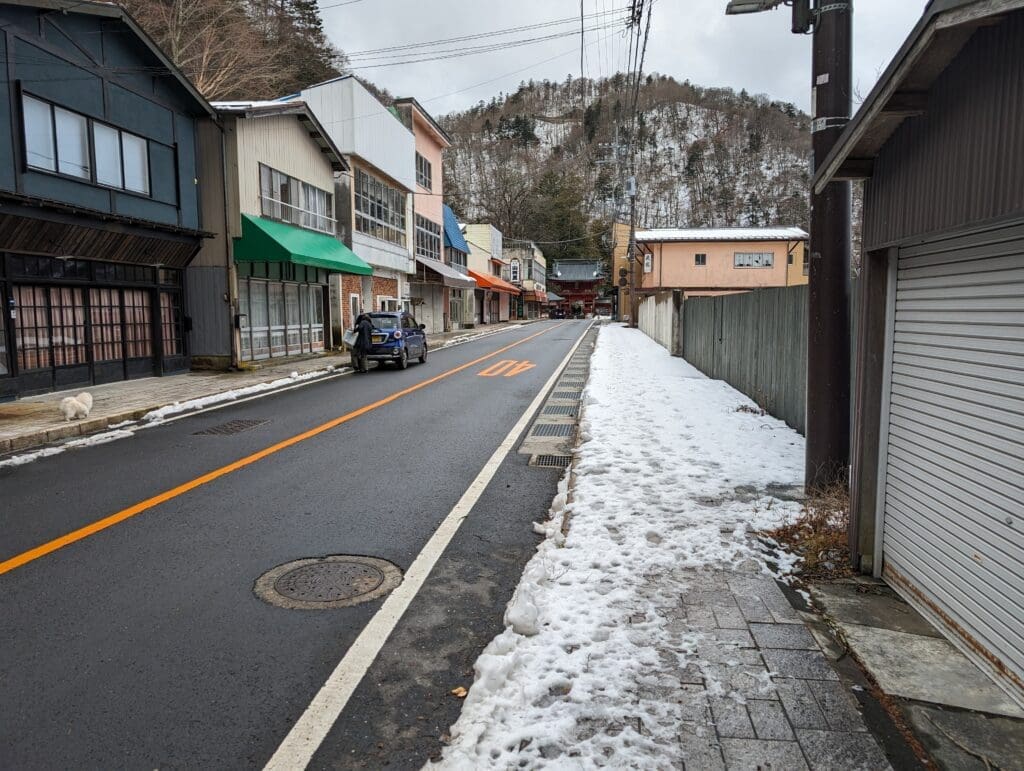
This is also the road that we walked along to visit some of the shrines, and the road we were driven down to go on our hiking excursion.
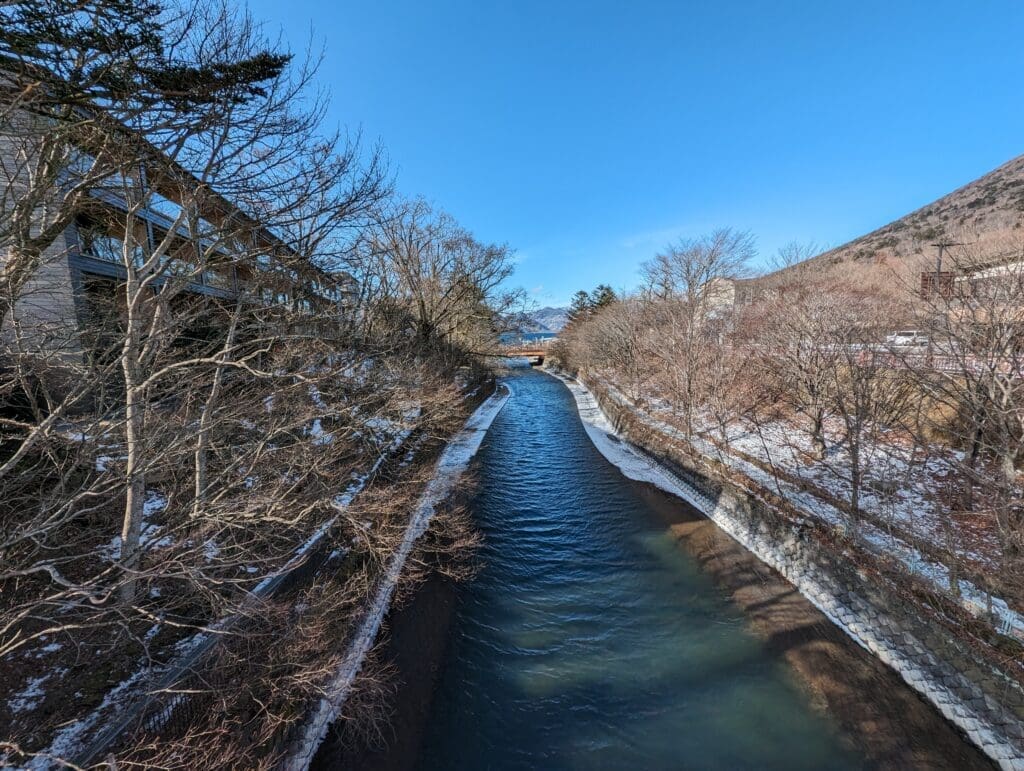
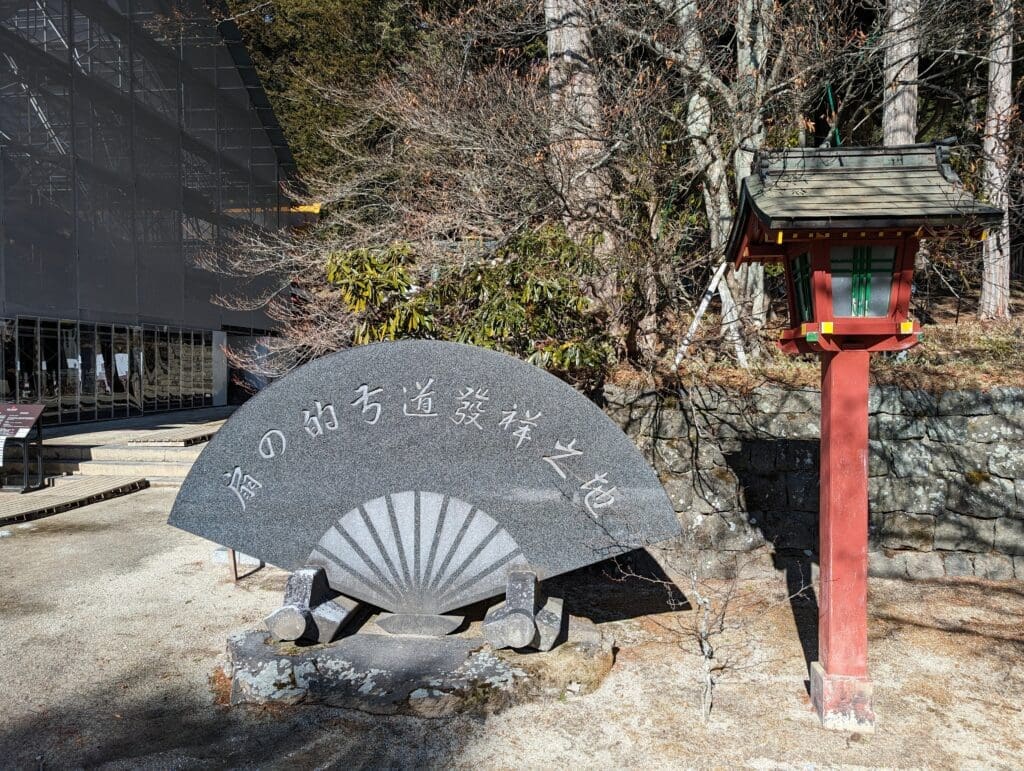
There are also several waterfalls in the area.
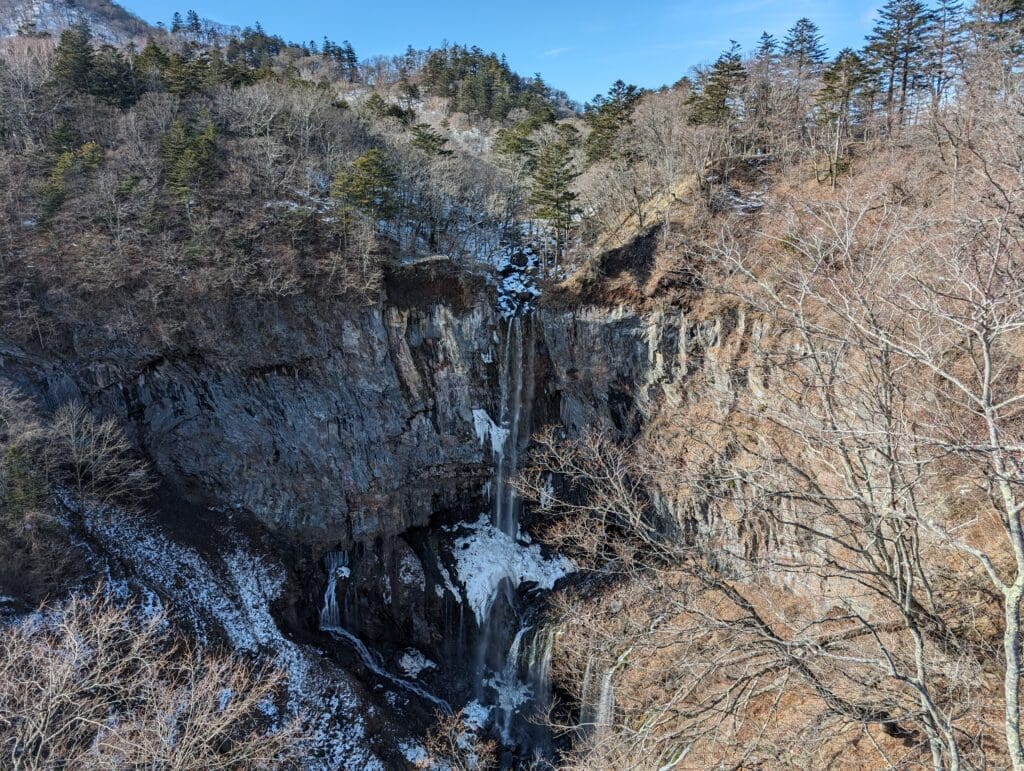
As it was low season, many of the businesses were closed while we visited. Leaving the hotel and traveling southwest along the lake, you’ll also find two old embassy summer houses – The Italian and British Embassy Villa Memorial Parks. Past this is where you’ll find the aforementioned Nikkosan Chuzenji Godaido Buddhist Shrine. Abigail mentioned that they aren’t really in use anymore, but every now and then, you’ll see some rogue diplomat or random person who was granted access pop up to enjoy the properties.
Service
This is really what made the experience. The service was elite throughout the entirety of our stay. Room service was speedier than you could have imagined. I had a little challenge with the housekeeping team (they didn’t know about it) to see if I could perfect the placement of my shoes when I took them off coming into the room. No matter how much precision I exercised, upon reentering the room from the spa, after turndown service had been performed, my sneakers were always that much more ‘in line’ and placed as they should be.
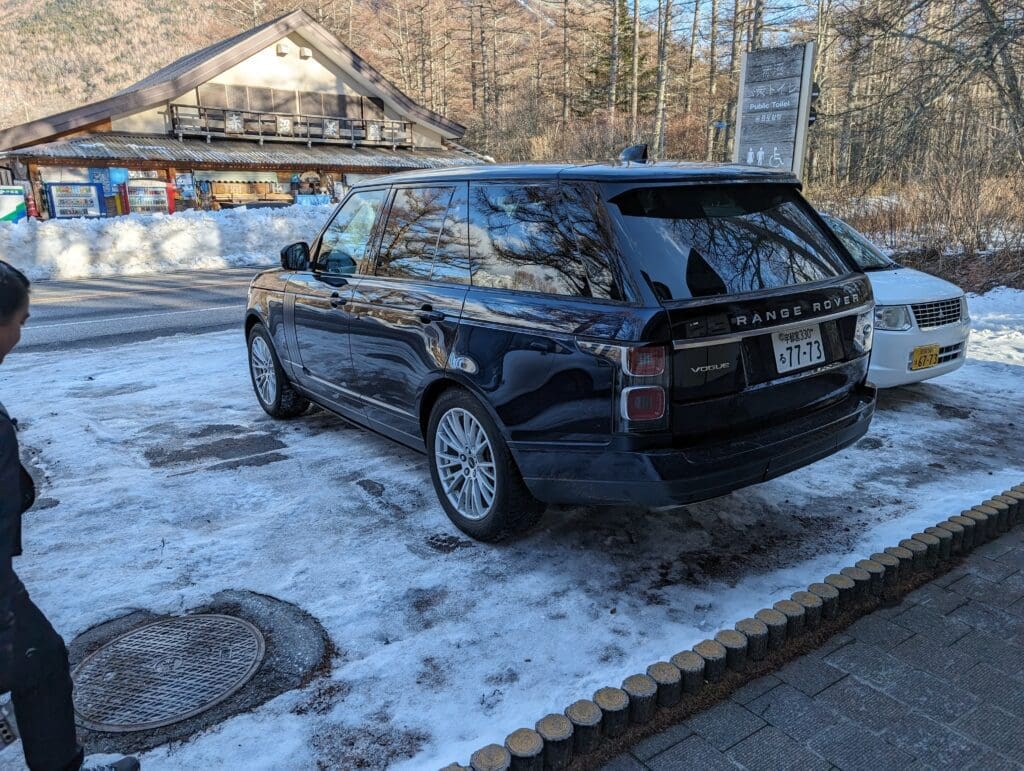
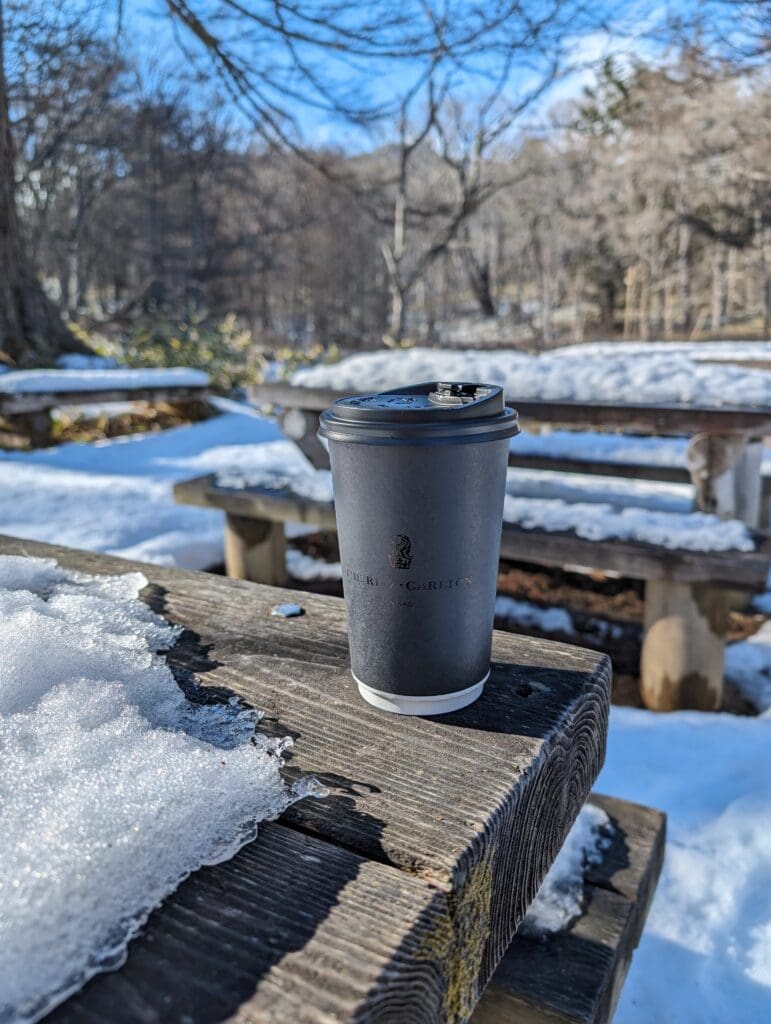
I can’t say enough about Abigail and the docent service. Getting driven around in a jet-black Range Rover for a few days, having the doors opened and closed, the team bringing along thermoses full of coffee or tea to keep warm (and snacks) while out and about – it all felt like we were diplomats. The knowledge of Abigail and her teammates – they were so very prepared and engaging throughout every activity.
Hotels often have an opportunity to really close out a stay and leave a lasting impression during the day of checkout. That’s exactly what the Ritz-Carlton Nikko did. The day before our departure, the concierge team contacted us to arrange our departure, with the full schedules of departing trains from Nikko station as well as options for transport to the station. We simply had to ‘say when’.
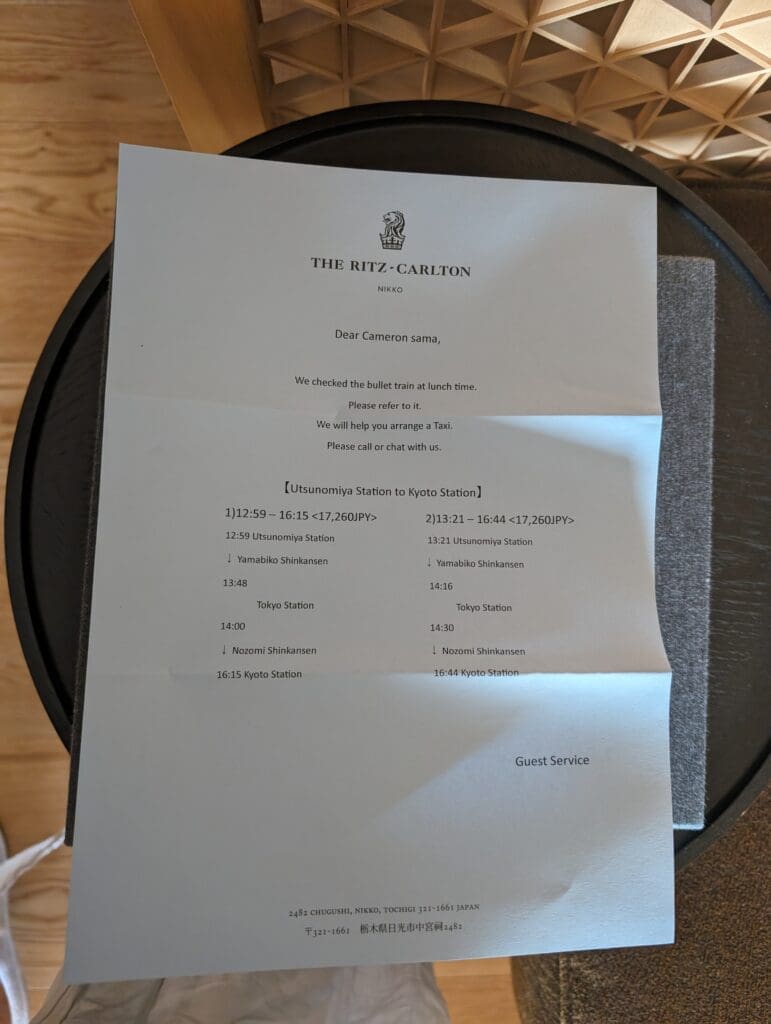
Upon our departure, we were handed a departing gift from Abigail and the docent team. Inside was an omamori amulet and a larger, curiously wrapped item.
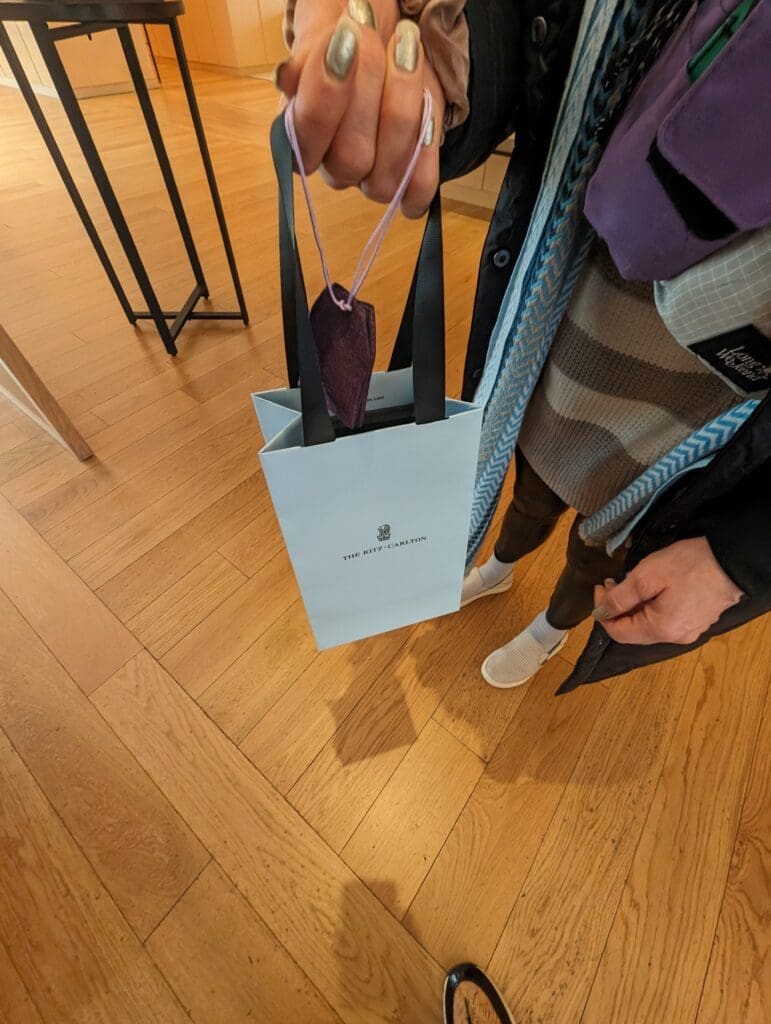
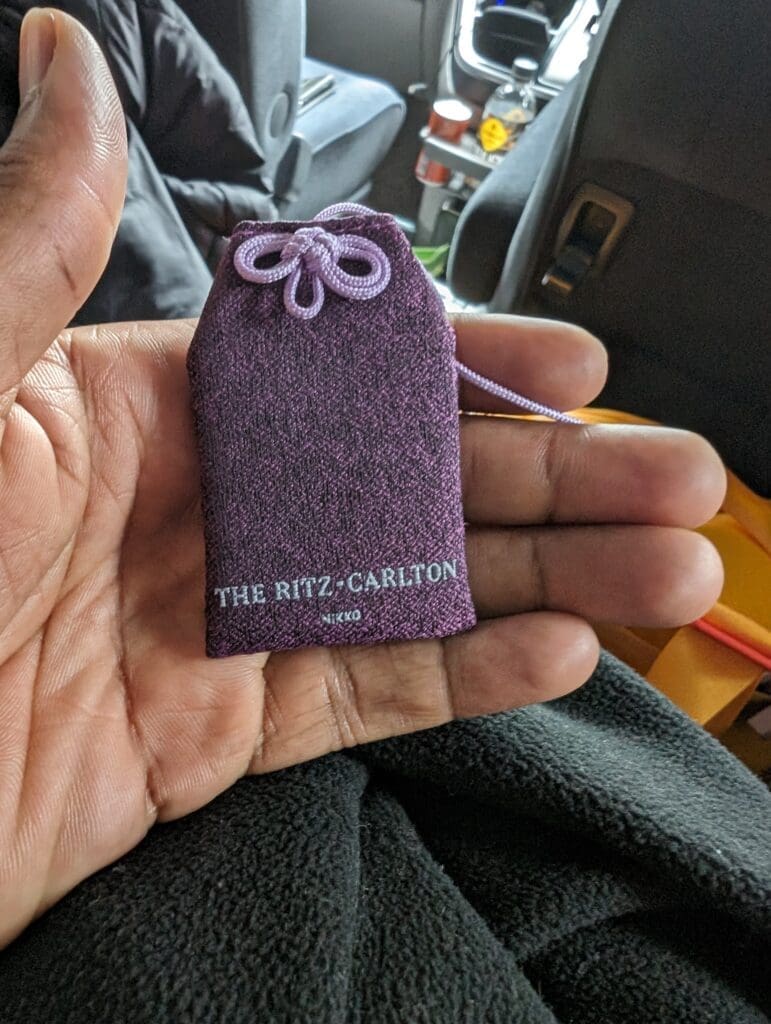
We wouldn’t end up opening this item until much later. What was it you ask? A Ritz-Carlton Nikko embossed foldable photo album – the kind you can put right onto a mantle – filled with photos that Abigail had taken of us during our excursions together.

Need I say more?
Conclusion
The Ritz-Carlton Nikko was one of the most memorable stays I’ve enjoyed in the Bonvoy portfolio to date. One of the hallmarks of a great hotel? You immediately feel relaxed upon arrival. For me, the sensation was instant, and the feeling persisted for the entirety of our stay. If you’re looking for a taste of what the Ritz-Carlton brand can be in its best iteration, then the Ritz-Carlton Nikko is worth the stop while in Japan.
And to Marriott – it sure feels like the Higashiyama Niseko Village, a Ritz-Carlton Reserve can be decommissioned in favor of the Ritz-Carlton Nikko.