








tl;dr – Much ado about nothing or big changes on the horizon?
Lately, it’s hard to go a day, or let’s be honest – even a few hours – without hearing the term “AI.” Pretty much all industries are trying to figure out strategies surrounding AI, and while implementation of these newer technologies is severely lagging across the board, that hasn’t stopped the hype. And the travel industry is no exception.

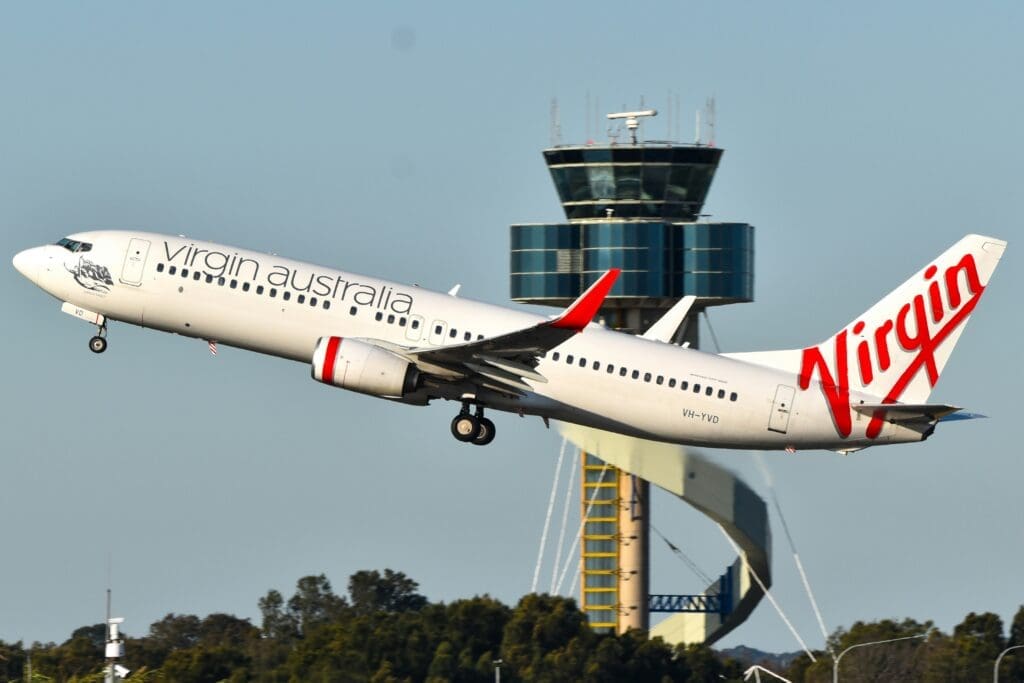
Despite fears of an ‘AI bubble’, there’s seemingly a new player – airline or hotel – that’s exploring using LLMs or ChatGPT to make things ‘more efficient’ in some fashion. Air India and IndiGo are exploring AI capabilities to enhance operations. Virgin Australia recently announced a deal to use OpenAI’s ChatGPT for flight search. Emirates is hoping to use it to ‘advance AI adoption and innovation across the airline.’ Same with Air New Zealand. Whether anything materializes from these partnerships is anyone’s guess at this point – it still seems to be the early innings.
One thing is for certain – there is no shortage of folks willing to share their opinions and predictions.
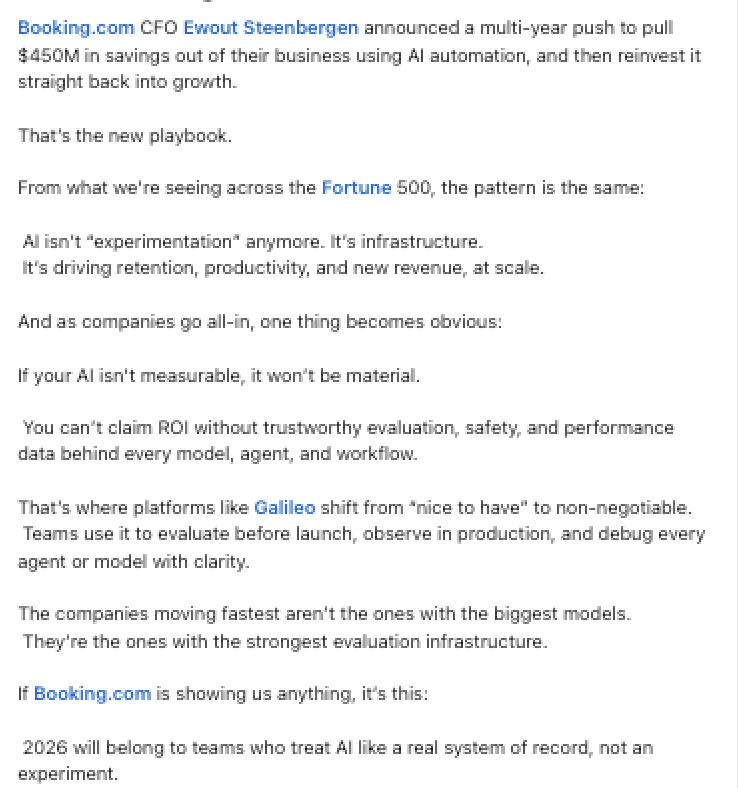
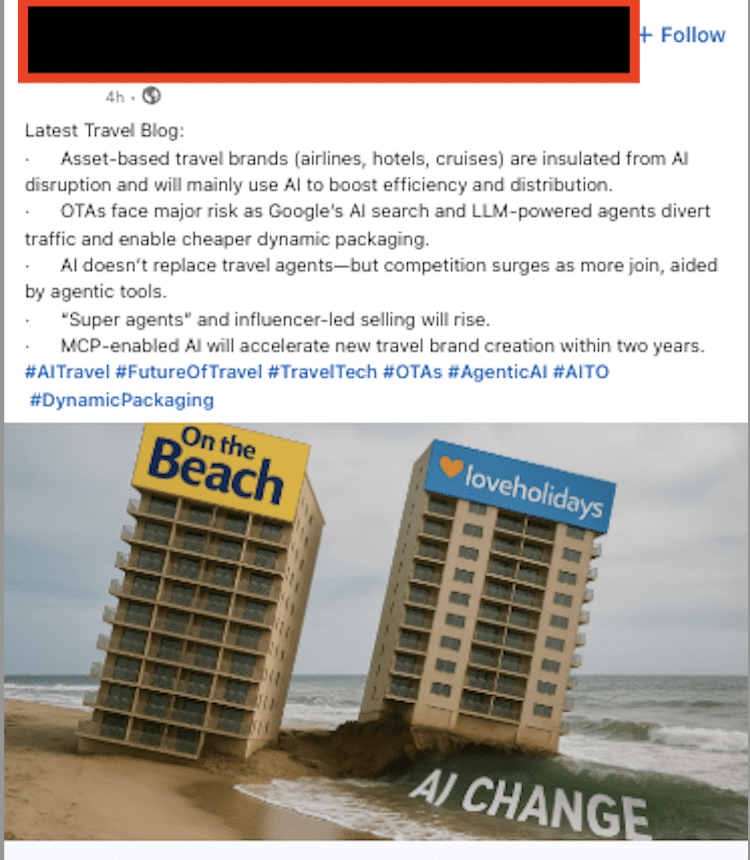

Quite predictably, established players seeking a ‘leg-up’ on their internal AI strategies are starting to poach talent from tech leaders. Expedia recently made a big hire, bringing on board a Google executive previously responsible for AI and compute enablement, a move that almost assuredly is focused on ensuring the OTA is better prepared for any additional inroads Google might make in the space.

From my perspective, it’s still too early to tell how and where AI’s impact on the travel industry will be most profound. I mean, the jury is still out whether LLMs, despite the billions of dollars that have been poured into them, are truly the foundation of the next paradigm shift. Just last week marked the three-year anniversary of the launch of ChatGPT and the subsequent opening of the AI floodgates. It’ll be interesting to see what has become the norm in another three years from now.